

December 2025 Edition!
AIU News + Essays + Education + Culture + Science + Technology + Art + Design + Health + Environment + Human Rights + Animals & Nature + Religious Studies + About AIU
Other Editions

AIU News + Essays + Education + Culture + Science + Technology + Art + Design + Health + Environment + Human Rights + Animals & Nature + Religious Studies + About AIU
 OCTOBER 16,
2025. Atlantic
International
University
proudly celebrates
one
of its distinguished
graduates, Dr. Julia
Koifman, whose groundbreaking
work in Special Needs and
Inclusive Education continues
to shape the future of learning
around the globe.
With a Ph.D. in Special
Needs and Inclusive Education
(Cum Laude) and a perfect
GPA of 4.0, Dr. Koifman’s
academic excellence at AIU became the foundation for a
career devoted to understanding,
empowering, and celebrating
neurodiverse learners.
OCTOBER 16,
2025. Atlantic
International
University
proudly celebrates
one
of its distinguished
graduates, Dr. Julia
Koifman, whose groundbreaking
work in Special Needs and
Inclusive Education continues
to shape the future of learning
around the globe.
With a Ph.D. in Special
Needs and Inclusive Education
(Cum Laude) and a perfect
GPA of 4.0, Dr. Koifman’s
academic excellence at AIU became the foundation for a
career devoted to understanding,
empowering, and celebrating
neurodiverse learners. OCTOBER 27,
2025. We are
proud to celebrate
the recent
achievement of
Dr. Kanbiro Orkaido
Deyganto,
Academic Advisor and AIU Ambassador,
whose peer-reviewed
article, Geography of Opportunity:
A Multilevel Analysis of Regional
and School-Level Inequities
in Somaliland’s Educational
Outcomes, has been published
in Frontiers in Education, a leading
open-access journal.
OCTOBER 27,
2025. We are
proud to celebrate
the recent
achievement of
Dr. Kanbiro Orkaido
Deyganto,
Academic Advisor and AIU Ambassador,
whose peer-reviewed
article, Geography of Opportunity:
A Multilevel Analysis of Regional
and School-Level Inequities
in Somaliland’s Educational
Outcomes, has been published
in Frontiers in Education, a leading
open-access journal. Call for Papers
This Conference will be hosted
15–16 October 2026
by Akdeniz University,
Antalya, Turkey.
Call for Papers
This Conference will be hosted
15–16 October 2026
by Akdeniz University,
Antalya, Turkey.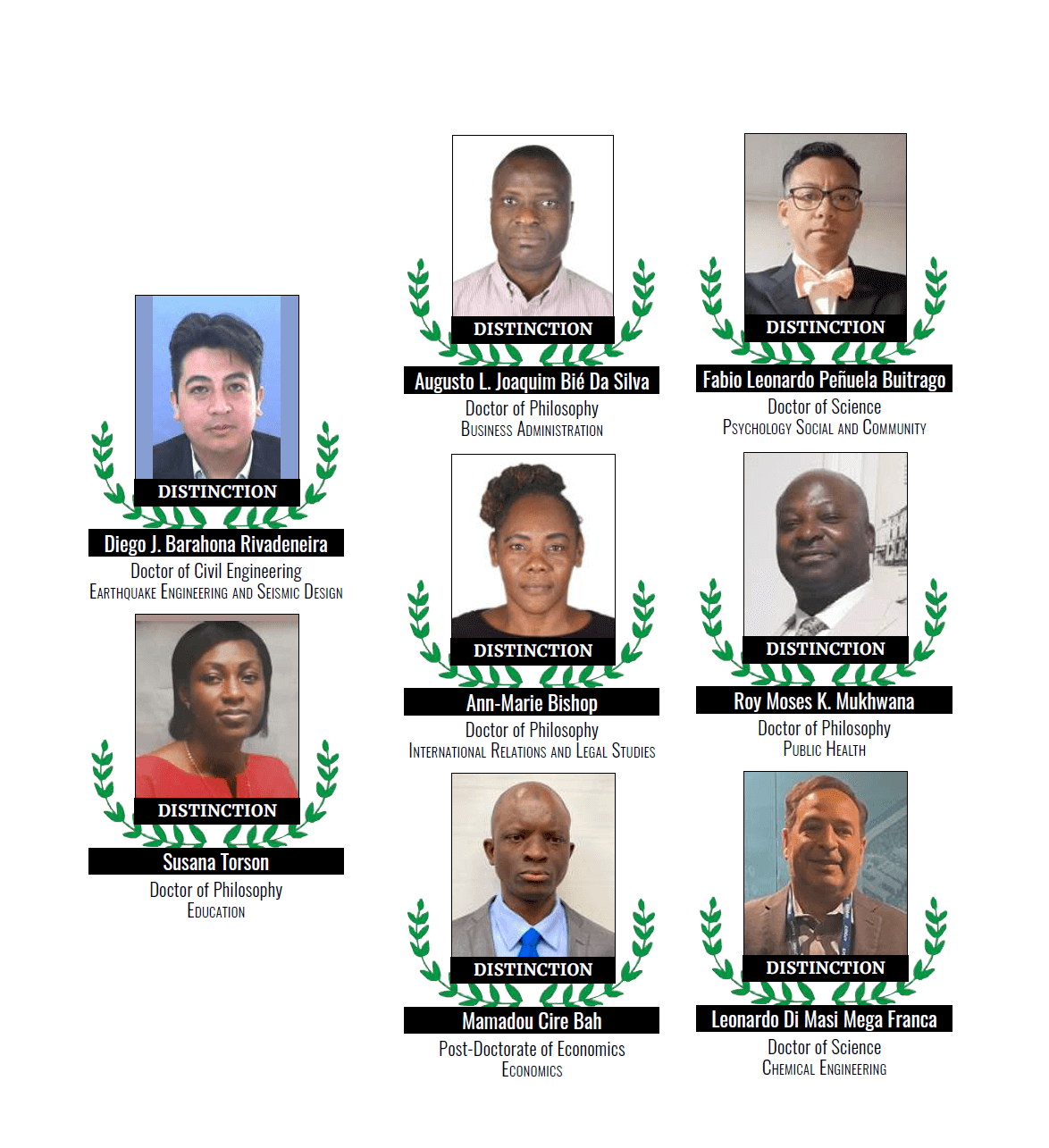 NOVEMBER, 2025.
These graduate students
completed their program
with a high cumulative grade
point average, which reflects
the quality of performance
within their respective major.
Congratulations!
NOVEMBER, 2025.
These graduate students
completed their program
with a high cumulative grade
point average, which reflects
the quality of performance
within their respective major.
Congratulations! OCTOBER 31, 2025.
We are proud to announce
the release of
Criminal Psychology 2:
Clinical Criminology —
New Criminal Sciences,
Penal and Penitentiary
System (ISBN: 978-
9942-44-897-2) authored by
Dr. Roberto Mosquera Escobar
in collaboration with Mgtr.
Abg. Elena Carvajal A.
This groundbreaking work
examines Clinical Criminology
as a vital discipline dedicated
to the prevention, diagnosis,
treatment, rehabilitation, and
reintegration of individuals
involved in criminal activity.
The book also integrates key
insights from related fields,
including Criminal Psychology,
Criminal Biology, Victimology,
Neurosciences, and Public
Policy, offering readers a multidimensional
understanding of
the complex nature of crime.
OCTOBER 31, 2025.
We are proud to announce
the release of
Criminal Psychology 2:
Clinical Criminology —
New Criminal Sciences,
Penal and Penitentiary
System (ISBN: 978-
9942-44-897-2) authored by
Dr. Roberto Mosquera Escobar
in collaboration with Mgtr.
Abg. Elena Carvajal A.
This groundbreaking work
examines Clinical Criminology
as a vital discipline dedicated
to the prevention, diagnosis,
treatment, rehabilitation, and
reintegration of individuals
involved in criminal activity.
The book also integrates key
insights from related fields,
including Criminal Psychology,
Criminal Biology, Victimology,
Neurosciences, and Public
Policy, offering readers a multidimensional
understanding of
the complex nature of crime.
| Lucy Gómez Heyliger Master of Human Resources Human Resources Aruba |
Earabilwe K. Ketlhanyegile Master of Education Education Botswa na |
Alcindo Neckel Doctor of Philosop hy Geography and Environmental Sciences Brazil |
Geolber García Reyes Bachelor of Political Science Public Policies Brazil |
Fleur Pembe Agbaw Ebai Doctor of Philosop hy Business Management Cameroo n |
Abdur Rashid Doctor of Human Rights Human Rights Canada |
| Juan Carlos Perez Doctor of Economics Economic Development Colombia |
Bukasa Musangu Ronsard Master of Business Administration Business Administration Congo |
Crephenia James-Turney Bachelor of Social Work Social Work Dominica |
Ángel Gonzalo Brito Brito Bachelor of Science Architecture Ecuador |
Flor de María Chicas de Cisneros Doctor of Psychology Child Psychology El Salvador |
Abraham Ashenafi Alemayehu Bachelor of Science Public Health Ethiop ia |
| Kalou Zouza Roland Clovis Doctor of Philosop hy International Relations and Diplomacy Germany |
Kofi Oduro Twumasi Doctor of Business Administration Project Management and Procurement Ghana |
Robert Wemegah Bachelor of Science Mechanical Engineering Ghana |
Augustine Agyemang-Duah Bachelor of Science Industrial Engineering Ghana |
Alejandro Gudberto Camas Chávez Post-Doctorate of Public Administration Public Administration Guatemala |
Daniela Ramirez Iglesias Bachelor of Psychology Clinical Psychology Guatemala |
| César Iván Rosa Alvarado Doctor of Business Administration Business Administration Guatemala |
Amadson Kollie Master of Political Science Political Science and Philosophy Guinea |
Aliou Diane Doctor of Philosop hy Project Management Guinea |
Luis Enrique Bejarano Nolasco Bachelor of Marketing Market Research Honduras |
Jose Ramon Rivera Martinez Doctor of Science Roads and Pavements Projects Honduras |
Carlos Alberto Sanarrucia Campos Master of Economics Economics Hondur |
| Nicola-Ann Marie Brown Pinnock Doctor of Management Management Jamaica |
Kyeva Laurent Baraka Doctor of Science Psychology Kenya |
Joseph Kimutai Boit Doctor of Philosop hy Project Management Kenya |
Saul Davis Sango Doctor of Philosop hy Psychology Kenya |
Peter Onyango Doctor of Philosop hy Behavioral Science Kenya |
Karaute Jane Bachelor of Project Management Project Management Kenya |
| Elenah Wachera Kariuki Doctor of Linguistics Linguistics Kenya |
Michael Tanoe Nah Master of Science Telecommunications Liberia |
Eduardo Rivera León Doctor of Theology Theology Mexico |
Francisco Fernando Ruiz Torres Bachelor of Transpersonal Psychology Music Therapy Mexico |
Maria del Rocio Martinez Sanchez Post-Doctorate of Science Psychotherap y Mexico |
Obed Mayoral Fernández Doctor of Science Biotechnology Mexico |
| Javier Enrique Rosas Aparicio Doctor of Science Psychology Mexico |
Francisco António Xavier Dos Santos Bachelor of Science Mechanical Engineering Mozambique |
Ruben Salvador Cossa Master of Science Project Management Mozambique |
Elias Carlos Queo Chapungo Master of Science Supply Chain Management Mozambique |
Athanase Habuhazi Master of Science Computer Science Mozambique |
Bigirimana Zepherin Doctor of Philosop hy Nutrition Mozambique |
| Friedrich Alpers Doctor of Science Environmental Science Namibia |
Gabriel Attah Baba Doctor of Leadership Leadership and Youth Development Nigeria |
Jonathan Oga Ukwuru Post-Doctorate of Management Project Management Nigeria |
Eke-Samuel Mary Doctor of Science Developmental Psychology Nigeria |
Sunday Ademola Adebamiro Doctor of Business Administration International Business Nigeria |
Matthew Odinya Onoja Doctor of Philosop hy Population and Reproductive Health Nigeria |
| Babashehu Abbakawu Doctor of Science Renewable Energy Nigeria |
Mohammed Bello Bachelor of Science Computer Engineering Nigeria |
Effiong Emmanuel Asuquo Bachelor of Science Human Resources Management Nigeria |
Fidelis Nchewi Ekom Doctor of Public Administration Public Policy and Administration Nigeria |
Victor Mosquera Rojas Bachelor of Science Electrical Engineering Panama |
Sam Mea Atta Doctor of Philosop hy Human Resources Management Pap ua New Gui |
| Marco Antonio Abad Zapata Bachelor of Science Mechanical Engineering Peru |
Grace V. Migriño Master of Business Administration Administration Philipp ines |
Marlen Malinao Valencia Master of Science Family and Couple Therapy Philipp ines |
Emma Priscilla De Jesús Alvarado Doctor of Science Nutrition Puerto Rico |
Herminio Flores Onofre Doctor of Philosop hy Theology Puerto Rico |
David Ramos Rodríguez Doctor of Education Education Administration and Management Puerto Rico |
| Shyaka Rodrigue Bachelor of Science Civil Engineering Rwa nda |
Aaron Donovan Bachelor of Science Sustainable Agriculture Saint Lucia |
Emmy Mitchel-Joseph Master of Management Project Management Saint Lucia |
Donna Evelyn Joyette Bascombe Doctor of Business Administration Business Administration Saint Vincent and the Grenadin |
Syed Mukith Ur Rahaman Doctor of Education Higher Education Management Saudi Arab ia |
Kingston Elington Mame Doctor of Science Project Management Sierra Leone |
| Sami Bsoul Doctor of Philosop hy Psychology Slovakia |
Maloeto Bella Sepalamelo Doctor of Philosop hy Public Health South Africa |
Nomhle Prudence Fihla Post-Doctorate of International Relations International Relations South Africa |
Karlo Kuot Madut Deng Master of Science Food Security and Climate Change South Sudan |
Moges Belachew Damen Doctor of Business Administration Business Management South Sudan |
Rozenhout Wesley Paitoe Doctor of Science Business Management and Economics Suriname |
| Ashabrick Nantege Doctor of Public Health Environmental Health Uganda |
Charles Nwaneri Ekeh Doctor of Philosop hy Project Management United Kingdom |
Erwin Semah Kamara Doctor of Philosop hy Public Health US A |
Ezéchias Jean Doctor of Philosop hy General Psychology US A |
Ally Jean-Francois Doctor of Science Criminal Justice US A |
Anyiam Hope Ihuoma Doctor of Philosop hy Public Administration and Int. Relations US A |
| Nora Pozo Doctor of Nutrition Nutrition Science US A |
Carlos Enrique Belisario Ardon Doctor of Philosop hy Private and Public Management US A |
Kouadio Richard Kouadio Bachelor of International Relations International Relations US A |
Elizabeth Dayanara Obando Gutierrez Bachelor of Legal Studies Legal Studies US A |
Protais Kayijuka Master of Science Public Health US |
Maria Julia Nunez Bachelor of Education Music Education US A |
| Engohang Nze Antoine Waldrys Doctor of Science Strategic Human Resources Management US A |
Carlos Mario Aragon Sampayo Master of Science Architecture US A |
David Victor Chipata Bachelor of Project Management Project Management Zambia |
Chimuka Mwiinga Doctor of Science Public Health Zambia |
 Ally Jean-Francois
 Jonathan Oga Ukwuru
 Emmy Mitchel-Joseph
 Mary Samuel Eke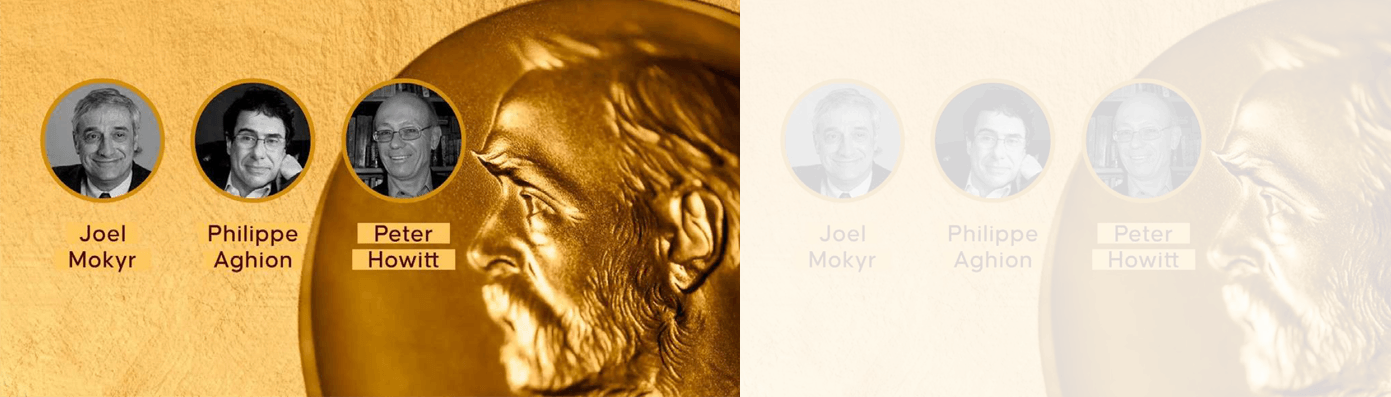
The Nobel Prizes are widely
discussed and desired by
many. Where do they come
from? What do they mean?
The Nobel Prizes were created
by Alfred Bernhard Nobel,
a chemical engineer, inventor,
and writer born in 1833 in
Stockholm, Sweden, and died
in San Remo in 1896.
Nobel invented dynamite
as part of his research. We
know the consequences of this
invention, which is why he left
a will to create an organization
to reward research that would
bring the greatest benefit to
humanity.
Nobel created the prizes for
medicine, physics, chemistry,
and the peace prize. The first
prizes were awarded in 1901.
The Nobel Prize in Economics
is awarded by the Bank of
Sweden in memory of Nobel.
The Swedish Academy was
founded by King Gustav III
in 1786; it is composed of 18
lifetime members.
Various departments of the
Swedish Academy elect those
to be recognized. These are:
Literature Prize –The Swedish
Academy. Chemistry and
Physics Prize –The Swedish
Academy of Sciences. Medicine
Prize –The Nobel Assembly at
the Karolinska Institute.
The Nobel Peace Prize is awarded by the Norwegian Nobel
Committee and is presented
in Oslo. All prizes except the
Peace Prize are presented on
December 10 in Stockholm,
Sweden.
The 2025 Nobel Prize in
Economics was awarded to
Joel Mokyr, Philippe Aghion,
and Peter Howitt. This prize
has been awarded by the Bank
of Sweden since 1968 and is
known as the Nobel Prize.
Joel Mokyr
Born in 1946 in the Netherlands,
he holds dual Jewish and
American nationality.
He studied at the Hebrew
University of Jerusalem and
Yale, United States.
He is a Professor of History
and Economics at Northwestern
University.
The period of economic history
the studies is from 1750
to 1914.
His research focuses on
understanding the growth
of useful knowledge and the
intellectual and economic roots
of technological progress in
economic well-being.
He is a member of the
British Academy, the Royal
Netherlands Academy, and the
American Academy of Arts and
Sciences.
He can be contacted at this
email address: j-mokyr@northwestern.
edu
Philippe Aghion
Born in 1956, French.
Researcher at the Collège de
France and the School of Economics
and Political Science in
the United Kingdom.
A professor at Harvard University
and the Massachusetts
Institute of Technology.
According to Aghion, creative
destruction occurs when
old technologies are replaced
by new ones.
Aghion, like a true Frenchman,
follows the French
philosopher Jacques Derrida's
concept of deconstruction in
his approach to creative destruction.
Removing what is not
necessary to build the best.
It's not about destroying
for the sake of destroying
but about destroying while
considering what elements
need to be added without
destroying the whole.
Creative destruction began
with the Industrial Revolution,
and for that, new talent
is needed.
There won’t be a major crisis
created by the innovation of
Artificial Intelligence (AI), but
we must be careful with the
investments we make.
He says that Europe needs
to know how to invest to avoid
the crisis of 2008 or 1929.
Peter Howitt
Born in Canada in 1946. Professor of Social Sciences at
Brown University, USA.
Member of the Royal Canadian
Society.
Peter Howitt, along with Joel
Mokyr, uses self-generation as
a basic concept.
Let’s recall Ilia Prigogine’s
Theory of Dissipative Structures.
The system allows
for energy that will produce
change. Societies must have
new ideas and accept change.
Peter Howitt, along with
Philippe Aghion, created the
mathematical model that explains
creative destruction.
Analyzing where we are going
as a society, we conclude
that the economy is the foundation
of our lives.
If there isn’t a good production
plan for what we need
to live —health, housing,
and education— to be able to
participate in the production of
the goods we need, it’s impossible
for us to live.
We’re witnesses to the fact
that something isn’t working
well in the societies that make
up today’s world: the wealth
produced every day reaches
fewer human beings.
It’s not necessary to look at
the economic growth indicators
of large organizations like the
World Bank.
When we go shopping for
the products we need to feed
our family, we see that the
money we have is enough to buy fewer products every day.
It doesn’t matter what country
we’re from.
All we hear about are conflicts
over the production of
goods and this price today and
that price tomorrow.
We also see that every day
we need greater scientific
knowledge, better academic
preparation, and every day we
need to study new concepts, but
educational institutions don't
receive the sufficient resources
the education system needs.
There’s money for weapons,
there’s money for egos,
but very little for education
and health.
If you’re doing a program at
Atlantic International University
(AIU), focus every day
on studying more and better
because the world we live
in and will continue to live
in demands greater scientific
training every day.
We are witnessing everything
the United Nations
(UN) is doing through all its
departments for the development
of human beings.
What’s happening with
education, even though the
COVID-19 pandemic is justified
as the cause of the delay in its
development programs?
What’s happening with
healthcare that the necessary
programs for citizen care
don’t exist?
What’s happening with political relations that are only
resolved through conflict?
Look at how long the Sustainable
Development program
has been around.
Also, look at what’s happening
to the source of our life,
our planet Earth.
What happened to the Paris
Agreement?
For many, what matters is making money by any means
necessary, regardless of the
consequences.
Study because
knowledge will give you
the weapons
for a satisfactory life.
Study so you
won’t be used.
Study so you can help
others have a better life.
BIBLIOGRAPHY. Premios Nobel en Economía 2025. https://www.nobelprize.
org/prizes/economic-sciences/2025/press-release/ | ONU. Programa de la ONU de
Desarrollo Sostenible. https://www.un.org/sustainabledevelopment/es/objetivos-dedesarrollo-
sostenible/ | UNAM- El Comité del Premio Nobel otorga el Premio
de Economía 2025 a Joel Mokyr, Philippe Aghion y Peter Howitt. UNAMGlobal
Revista- octubre 13- 2025. https://unamglobal.unam.mx/global_revista/
nobel-economia-2025-mokyr-aghion-howitt/

Introduction
In Africa, Zambia to be
specific, school runs for three
terms in a year. Each term is
usually about three months
or thirteen weeks and then
a one month school break or
holiday follows. The school
calendar usually commences
at the beginning of the year in
January, and wraps up at the
end of the year in December.
At every beginning of the year
or school term, children have
to re-adjust for they have to
move from home to school
every day or some even staying
at boarding school for three
months, away from family and
friends. Some children attend
school for the first time at the
beginning of the year, while
others have to change grades
or even teachers. This transition
is not easy for children
for it cause anxious moments
for many. According to Google,
anxiety is defined as a feeling
of worry, nervousness, or
unease about something with
an uncertain outcome. Many
children have these worries
and are nervous because they do not know who and what
kind of people they will be
meeting in their new grades
and/or school, are not sure
of what they will be learning
and the language they will be
required to speak in school or
new grade; whether the teacher
will be as friendly as the one
they had in the previous grade
or not, and many other issues
they are not certain about.
Hurley (2022) explains that,
“for children struggling with
anxiety, however, the back to
school transition is not easy.”
Like in Zambia, children will
still have to deal with lack of
school supplies like school
shoes, school uniforms, books,
and pens, at the time school
opens. The children are not
sure if and when they will have
the basic school supplies when
they get back to school.
However, Hurley (2022)
states that, ‘for many kids
going back to school is exciting,
with new pens, books,
pencils, school bag or even
new uniform, and reuniting
with friends.’ Indeed, back to
school can be exciting to most
children because there is a reduction in home duties, such
as herding cows and goats like
in rural Zambia, fetching firewood
and watering vegetables
in the gardens. For children in
urban areas, this is the time
to stay away from selling on
the streets as part of their
contributions to the family’s
income, such as selling juice
ice-blocks, fritters, charcoal,
farm or garden produce, and/or
any other merchandise parents
would like to sell to raise some
money for home use.
Much as children are happy
to get back to school, they
still have a lot within their
minds which they rarely speak
out especially in the African
traditions where children are
supposed to show respect and
resilience by keeping quite at
issues that bother them. This
burying of emotions and feelings
has dire consequences
in the children as it causes
anxiety when it’s time to get
back to school or transition
from one place, class, teacher
or grade to another. In modern
times, however, parents have
learned to listen to the needs
of their children so that the children grow emotionally and
intellectually strong. Hurley
(2022) cautions that, ‘stuffing
down anticipatory anxiety will
only cause it to spiral internally,
but externalizing the worries
and processing them helps
kids learn to cope.’ For parents
who want their children to
go to school and be educated,
they have learned to listen to
their children about things that
affect them. Some of those
things are about children going
back to school. They listen
to what their children fear or
worry about their school each
term schools reopen. This
paper, therefore, is going to
summarize and analyse the
article “Anxiety in Children”
and outline pertinent issues
raised in relation to what other
sources say, suggest how this
knowledge about helping children
with anxiety deal with get
back to school transition could
be helpful for anyone studying
at AIU and of course discuss
any other details highlighted in
the article.
Body of assignment
The article on anxiety of
children outlines that anxiety
is a normal part of childhood
development and that many
children experience fears and
worries at times (Hurley, 2022).
Since these fears and worries
are normal, it is expected that
children will talk about them
in anticipation of what will
happen if their fears or worries
are not taken care of. In most
instances, parents will just
brush off children’s concerns
and give casual assurances that
things will be okay to children.
In most cases, children will
not show their fears and will
harbor them in their minds,
thus affecting their day to day
living. The article further gives
examples of some anxiety children
may face when it’s time
to get back to school, such as
worrying about learning itself
and how it is going to be like
in the next grade or school,
how difficult it is going to be
understanding new school
rules especially if the teacher is
different or going to a different
school, and establishing new
relationships with both other
learners and the teacher. The
children will also have to think
of how difficult it is going to
be with the new classroom or
school routine and ensure that
they have mastered it in no
time. Other children can have
more worries about the long
distance they will have to walk
to a new school, in case they
have moved school, and ensure
that they are at school in time,
if not on time. For rural children
who have to cross rivers
and streams without bridges,
like here in Zambia, they have
to think of crossing those
crocodile infested and overflowing
rivers before they can
get to school.
Though anxiety is normal
part of development in
children, some children would
develop anxiety symptoms,
which call for immediate intervention.
Tearne (2017) explains
that, “if the worries get
out of hand that the child does
not even want to go to play we
must begin talking about what
anxiety is to the child and how
to manage it.” This means,
parents must prioritize anxiety
management when school is
about to open so that there
is smooth transition for the
children. If left unattended to,
anxiety can interfere with the
children’s abilities to perform
normally at all things they
do at school and even in their
social relationships. A plan
must be put in place to help
children manage their anxious
moments so they do not end
up disturbing their back to
school transition.
When children are anxious
about things they need answers
about, they ask questions.
This was termed as
‘anticipatory anxiety’. According
to Schwartz (2018), when
our thoughts are constantly
seeking certainty, wanting to
know the future in advance,
we get anxious, we get fearful,
thus asking so many questions.
Most children tend to
find themselves asking these questions before school starts,
especially if they are changing
classes, teachers or schools.
They tend to be asking ‘what
if’ questions repeatedly and
so they are seeking an assurance
that their questions can
quickly and easily be answered.
However, parents have in many
instances not satisfactorily
given reassuring answers to
children’s questions. According
to Harris (2016), ‘one of the
best places to start is actually
to ask your child how they feel
about going back to school.’
Parents need to talk about the
fears and worries of their children.
After all, the goal is not
to get rid of anxiety but to help
your child understand that they
can tolerate and manage the
distress associated with anxiety
so that anxiety itself doesn’t
become a scary thing. Kolker
13
(2017) stresses that, one of the
solutions to many children’s
fears is to ask them to face
their fears head on —“embracing
the suck”.
In order for children not to
be too anxious about back to
school transition and deal with
any anxieties, parents must
create deliberate plans that
will allow children to mention
their fears many weeks, as
in our case in Zambia, before
schools reopen. This plan must
encourage open and honest
talks. Hurley (2022) observes
that, “a better strategy is to
help kids bring their worries
to the surface by naming these
specific worries, verbalizing
the possibilities, and establishing
positive counter thoughts
to empower your child to work
through anxious thoughts.”
When a child talks about their fears or worries, do not rush to
giving solutions but ask them
how best they could come out
of such a situation. As parents,
we need to help children get
into their fearful or worrisome
situations and engage them
in discussions about how they
could conquer the anxiety they
have. As we do so, we need to
provide practical encouragement
by ensuring that we
acknowledge children’s worries
and that it is okay to worry.
Give children plenty of opportunity
to practice doing things
they are afraid to do again and
again (Albano, 2020).
Some anxieties are inflamed
by what happens during school
holidays, especially if this is so
much different from what happens
during school days. For
some children, school holidays
mean no more reading books,
playing throughout the day
or no play at all, sleeping and
waking up late, over-eating
or bad eating habits, spending
more and more time watching
TV and playing computer
games, and many such
activities. These could be very
different from the school days
routine. Children tend to be
anxious when it’s time for back
to school and if not handled
carefully by the parents, anxiety
creeps in which might even
make children hate going back
to school. Dave (2020) advises
that parents must sit down and
have a conversation with their
kids about how they are feeling
that they are going back to
school. Having a conversation
with children would also allow
parents to validate children’s
fears or worries and help come
up with a better plan to cope
with anxiety. As the holidays
are slowly coming to an end,
it’s time to have children come
back to school routine behaviors.
Bradshaw (2021) emphasizes
that, if children have been
sleeping late during holidays,
begin adjusting their sleep
times at least two weeks before
to normal sleep and wake up
times until they are back on
schedule. This will lessen the
stress of having to sleep or
wake up early during school
days as opposed to the late
sleep and wake up times during
the holidays, thus avoiding
or coping with the anxiety of
back to school transition.
This could apply to a student
of AIU in that studies are
personal and self-driven.
The
advisors or tutors are based
thousands and thousands of
miles away, making it challenging
to study and complete
tasks in time. The student
must cope with the situation,
face the fears and worries, and
find solutions to the challenges
that come with distance
or online learning. More still,
if the student is working and
has to do assignments and research, adjusting time intelligently
in the day is key to
succeed in the studies.
The Covid–19 pandemic has
equally brought a lot of anxiety
in children. For months more
than half a year, for three years
consecutively, school calendars
were being disturbed in
many countries due to the
pandemic. Zambian schools
closed abruptly three times in
two years and children stayed
home longer than normal.
Government tried to come
up with some online lessons
for children in primary and
secondary school but this did
not help out because many
children did not have access to
internet connectivity as well as
TV and radio in their homes.
Since most families do not have
electricity in their homes, this
intervention only worked for less than 15% of the school going
children. Teachers, too, had
their own challenges of lack
of ICT skills to be able to teach
lessons online. So, both learners
and teachers were anxious
to learn and teach online.
When the pandemic effects are
reducing, schools are reopening
and children have to go
school again, which is bringing
a lot of anxiety especially
in learners. After months of
online learning and a lack of
social connection during the
pandemic, some kids and teens
are getting anxious about returning
to full time, in-person
learning (Bradshaw, 2021). The
children are anxious and rightly
so. But as parents, we have
an opportunity to help children
set goals and celebrate their
accomplishments together
with them. Dave (2020) argues that, “if anxiety is preventing
a return to school, set attainable
goals for your child and
celebrate the achievement.”
The pandemic has had no
or less challenges for an AIU
student who is studying online.
Studies have not been affected
by the pandemic in some way
since no physical contacts are
required to study with AIU
online. All phases are done
remotely, including graduation
which is conducted virtually.
There is no anxiety caused by
the pandemic as things have
remained the same during the
Covid–19 pandemic period.
Parents have a greater task
of ensuring that despite their
children having anxiety about
going back to school transition,
ways have to be found for children
to get back to school ready
to face their fears and worries
and cope with the situations
they find themselves into. The
role of parents is not to find
solutions to the children’s
anxiety but to equip them with
skills on how to deal with their
anxiety so that they can learn
and move on in their education
journey. Parents ought to plan
ahead of time, as suggested in
the article. This is very important
step to take. The children
fears and worries are justified
in this pandemic era but that
does not mean children must
not attend school, especially
in the third world countries like Zambia, where learning
online is a dream far from
being realized. Physical school
learning is the only sure way of
children getting the education.
Hurley (2022) stresses that you
can help ease the transition
by walking around the school
campus. For children starting
school and those transitioning
to new school and new grades,
it is imperative that parents
take their children for a school
visit. This will help remove the
fears children might have about
their new school, new teacher
or new grade. Fears and worries
can be more in children
going to boarding school, like
in the case of Zambia, where
some secondary schools host
children for the whole school
term. Children develop fears
about the safety of their property
and so will be thinking of
how safe their new uniform,
shoes, beddings, foodstuff, can
be kept safe. For some children
this is a very big deal and
therefore become anxious about
it. Therefore, parents need to
listen to such worries and buy
strong padlocks for children to
be able to secure their property.
You can even test the strength
of the padlocks before children
can trust and use them at
school. This reassures children’s
safety when they transition
back to school.
Online learning could be new
to especially students of AIU
from Africa, where internet
connectivity is usually a
challenge, rampant and long
hours of power cuts due to
load shedding, and learning is
always in physical or contact
form. AIU needs to continue
talking and helping out students
to attend to tasks given
online and even do the assignments.
Anxiety can arise if the
connectivity and the use of the ICTs is limited and the student
cannot hand in the assignment
on due dates. Measures put by
AIU to have the learning platform
running 24/7 is the way
to go so that students like me
can have access to it whenever
chance allows me to do my
work on the student portal or
student account. The provision
for submitting assignments
offline is another awesome
feature for it helps the students
to save the data bundles for
other activities which require
working online.
Conclusion
It is therefore safe to say it is
not bad to be anxious as anxiety
is part of normal development
especially in children.
Because they are not sure of
what is coming next, they ask
questions which many times
they do not get the answers,
thus bringing about anxiety in
them. Getting back to school,
especially when a child is
transitioning from home to a
new school, from one grade to
another, from being taught by
one teacher to another, or even
moving from their school to
a totally different school can
raise a lot of worries and fears
in children. Usually, this anxiety
can be managed by children
if we empower them with skills
about how to face and cope
with their fears and worries
during back to school transitions. Children should not be
taught how to avoid things that
make them anxious but learn
how to deal with their fears
and worries for they are normal
and sometimes natural.
Parents’ role in the children’s
anxiety is to help children
practice gratitude and redirect
their anxious thoughts in a
more positive way (Bradshaw,
2021). As parents, we create an
anxiety pan which will make
us sit with our children, allow
them to talk about their fears
and worries and how they feel
about going back to school,
provide practical encouragement
so that children can
overcome their fears, help them
set goals and celebrate with them when they achieve the set
goals, and above all let them
take care of their basic lifestyles.
They must get enough
sleep, eat healthy and regular,
and do physical activities.
Albano (2020) concludes to say
parents must help children how
to manage anxiety and how
to overcome things, and not
develop it a dependency on you
as parents or the idea that they
can’t do things. The children
must be empower with the
knowledge that anxious moments
pass as long as we face
them with courage, and sometimes
our fears and worries are
not a fearful and worrisome as
we might have thought, so face
them head-on and conquer!
BIBLIOGRAPHY. Albano, M. A. (2020, December 22). How Do I Help My
Child Cope With Anxiety. Retrieved March 7, 2022, from Ask the Expert
Psych Hub: https://www.youtube.com/watch?v=xNsyudLqjXE | Bradshaw, P. (2021, August
13). Easing Your Child’s Back-To-School Anxiety. Retrieved March 7,
2022, from Health Kids Eugene Pediatric Associates: https://www.youtube.com/
watch?v=9JFcxxsp5x8 | Dave, I. (2020, September 10). Manage Back-To-School
Anxiety for Kids. Retrieved March 7, 2022, from Trillium Health Partners:
https://www.youtube.com/watch?v=R_bcuvhhiCl | Google. (n.d.). Google’s English Dictionary.
Oxford Languages. | Harris, D. (2016, August 26). How To Help Your
Child With Back To School Anxiety. Retrieved March 7, 2022, from St. Louis
Children's Hospital YouTube Channel: https://www.youtube.com/watch?v=Y3ZnCV2MhCQ |
Hess, E. (2013, October 9). Helping Your Child with Selective Mutism Transition
Back to School. Retrieved March 7, 2022, from Expert Beacon: Center
for a Developing Mind: https://www.youtube.com/watch?v=hQ0ex3jx-Ug | Hurley, K.
(2022). Anxiety in Children: Helping A Child With Anxiety Deal With The
Back To Schoo Transition. Remedy Health Media. | Kolker, J. (2017, June
2). Overcoming Anxiety. Retrieved March 7, 2022, from TEDxTheMastersSchool:
https://www.youtube.com/watch?v=A1anXJhVamc | Schwartz, M. (2018, January 12).
Breaking Free From Anxiety. Retrieved March 7, 2022, from TEDxBeaconStreet:
https://www.youtube.com/watch?v=_Qzx9SnG9oU | Tearne, J. (2017, April 26).
Children’s Anxiety: 3 Ways To Help Your Anxious Child. Retrieved March 7,
2022, from Telethon Kids Institute: https://www.youtube.com/watch?v=mCQx_ISun5Q
 Nicholas Munkhbaatar started using
ChatGPT shortly after the artificial
intelligence (AI) chatbot was released in
late 2022. He was 14 at the time, and he
says, “I would use it for almost everything,
like math problems.” At first,
Munkhbaatar, who is from Sacramento,
Calif., thought it was amazing. But then,
he started to see downsides: “I realized
it was just giving me an answer without
helping me go through the actual process
of learning.”
Many kids and teens use ChatGPT and
other generative AI models like Claude or
Google Gemini for everything from dealing
with math homework to coping with
a mental health crisis, often with little
to no guidance from adults. Education
and child development experts say parents
must take the lead in helping children
understand this new technology. “Having conversations now about
what is ethical, responsible usage of AI
is important, and you need to be a part
of that if you are a parent,” says Marc
Watkins, a lecturer at the University
of Mississippi who researches AI and
its impact on education. While early
evidence suggests the technology could
bolster student learning if deployed
correctly, ongoing research and stories
about teenagers who died by suicide
after talking to AI chatbots indicate
significant risks to young users.
Experts share advice on how to
talk to kids about AI, including its
potential benefits and harms. Start
the conversation early, use AI together,
explore its possibilities,
understand the risks ...
Read full text:
Nicholas Munkhbaatar started using
ChatGPT shortly after the artificial
intelligence (AI) chatbot was released in
late 2022. He was 14 at the time, and he
says, “I would use it for almost everything,
like math problems.” At first,
Munkhbaatar, who is from Sacramento,
Calif., thought it was amazing. But then,
he started to see downsides: “I realized
it was just giving me an answer without
helping me go through the actual process
of learning.”
Many kids and teens use ChatGPT and
other generative AI models like Claude or
Google Gemini for everything from dealing
with math homework to coping with
a mental health crisis, often with little
to no guidance from adults. Education
and child development experts say parents
must take the lead in helping children
understand this new technology. “Having conversations now about
what is ethical, responsible usage of AI
is important, and you need to be a part
of that if you are a parent,” says Marc
Watkins, a lecturer at the University
of Mississippi who researches AI and
its impact on education. While early
evidence suggests the technology could
bolster student learning if deployed
correctly, ongoing research and stories
about teenagers who died by suicide
after talking to AI chatbots indicate
significant risks to young users.
Experts share advice on how to
talk to kids about AI, including its
potential benefits and harms. Start
the conversation early, use AI together,
explore its possibilities,
understand the risks ...
Read full text:
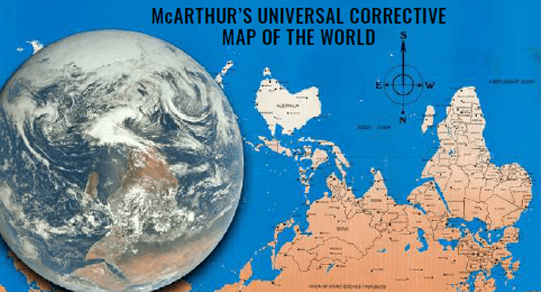 For centuries, world maps have been
designed under a widely accepted
spatial convention: the “north” goes
up, and the “south” goes down. With
this perspective largely uncontested,
imagining other ways of representing
the world might seem irrational
or even unscientific. Yet, unquestionable
trust in how the world is taught
is a barrier to understanding that the
purportedly objective activity of mapmaking
has long been influenced by
different historical and cultural conjunctures
and undertaken for specific
geopolitical purposes. ...
The north and south have never
been represented in the same way in
all places of the world. For instance,
17th-century Turks would draw maps
illustrating the extension of the world known to them, putting the Middle
East at the center of the map. ... By
situating the map maker at the center,
maps have also been subject to
practices of pushing foreigners and
undesirable places to the peripheries.
Cartography has also been used as a
tool for colonial expansion or symbolic
ethnic erasure, as happened with different
settlers and colonial powers who
imposed new names over indigenous
places while claiming them as part of
their territories. ...
Encountering an inverted map of the
world can be a truly confusing, intimidating,
and uncomfortable experience
because what has been normalized and
naturalized suddenly becomes challenged
and destabilized. ...
Read full text:
For centuries, world maps have been
designed under a widely accepted
spatial convention: the “north” goes
up, and the “south” goes down. With
this perspective largely uncontested,
imagining other ways of representing
the world might seem irrational
or even unscientific. Yet, unquestionable
trust in how the world is taught
is a barrier to understanding that the
purportedly objective activity of mapmaking
has long been influenced by
different historical and cultural conjunctures
and undertaken for specific
geopolitical purposes. ...
The north and south have never
been represented in the same way in
all places of the world. For instance,
17th-century Turks would draw maps
illustrating the extension of the world known to them, putting the Middle
East at the center of the map. ... By
situating the map maker at the center,
maps have also been subject to
practices of pushing foreigners and
undesirable places to the peripheries.
Cartography has also been used as a
tool for colonial expansion or symbolic
ethnic erasure, as happened with different
settlers and colonial powers who
imposed new names over indigenous
places while claiming them as part of
their territories. ...
Encountering an inverted map of the
world can be a truly confusing, intimidating,
and uncomfortable experience
because what has been normalized and
naturalized suddenly becomes challenged
and destabilized. ...
Read full text:
 Scientists have discovered how the
amino acid leucine boosts the body’s
energy production by protecting key
mitochondrial proteins from breaking
down. This process allows mitochondria,
the cell’s power generators, to
function more efficiently.
Mitochondria are tiny structures
inside cells that act as energy producers,
supplying the power the body
needs to grow, move, and stay healthy.
Because a cell’s energy demand changes
constantly, mitochondria must continually
adjust their activity to keep up.
This flexibility depends on the nutrients
available inside the cell at any given
time. Until recently, scientists did not
fully understand how those nutrients
drive the process of adaptation.
A team led by Dr. Thorsten Hoppe
from the University of Cologne’s Institute
for Genetics has uncovered a new
biological pathway showing how the
amino acid leucine strengthens mitochondrial
performance. The researchers
found that leucine helps stabilize crucial
mitochondrial proteins, leading to
more efficient energy production. Their
study, titled “Leucine inhibits degradation
of outer mitochondrial membrane proteins
to adapt mitochondrial respiration,” was
published in Nature Cell Biology.
Leucine is an essential amino acid
that must be obtained through food. It
serves as a building block for protein
synthesis and is found in protein-rich
foods ...
Scientists have discovered how the
amino acid leucine boosts the body’s
energy production by protecting key
mitochondrial proteins from breaking
down. This process allows mitochondria,
the cell’s power generators, to
function more efficiently.
Mitochondria are tiny structures
inside cells that act as energy producers,
supplying the power the body
needs to grow, move, and stay healthy.
Because a cell’s energy demand changes
constantly, mitochondria must continually
adjust their activity to keep up.
This flexibility depends on the nutrients
available inside the cell at any given
time. Until recently, scientists did not
fully understand how those nutrients
drive the process of adaptation.
A team led by Dr. Thorsten Hoppe
from the University of Cologne’s Institute
for Genetics has uncovered a new
biological pathway showing how the
amino acid leucine strengthens mitochondrial
performance. The researchers
found that leucine helps stabilize crucial
mitochondrial proteins, leading to
more efficient energy production. Their
study, titled “Leucine inhibits degradation
of outer mitochondrial membrane proteins
to adapt mitochondrial respiration,” was
published in Nature Cell Biology.
Leucine is an essential amino acid
that must be obtained through food. It
serves as a building block for protein
synthesis and is found in protein-rich
foods ...
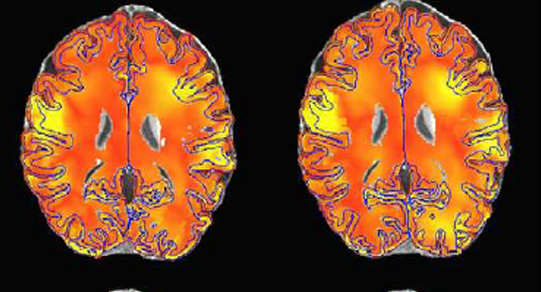 Cerebral arterial pulsation is the
rhythmic dilation and constriction
of brain arteries with the cardiac
cycle, driven by the pressure wave from
heart pumping. It was found that higher
arterial pulsatility is generally associated
with more severe small vessel
disease (SVD) and Alzheimer’s disease
as well as worse cognitive performance,
highlighting the role of cerebroarterial
pulsatility in the pathogenesis and
progression of cerebrovascular and
neurodegenerative diseases.
Previous studies attempted to understand
the function and underlying
mechanisms of cerebroarterial pulsation
within the brain. Iliff et al. proposed
that arterial pulsatility is a key driver of
cerebrospinal fluid (CSF) movement in
the perivascular spaces (PVSs) into and through the brain parenchyma in mice,
facilitating the clearance of interstitial
solutes and wastes in the brain.
In general, arterial pulsation plays a
crucial role in driving the glymphatic
system, a recently discovered waste
clearance system in the brain. Mestre
et al. directly observed that hypertension
leads to an increase in arterial volumetric
pulsatility, which subsequently
results in a reduction in CSF flow. This
finding underscores the potential influence
of alterations in arterial volumetric
pulsatility on the glymphatic system
and provides a theoretical basis for
understanding various cognitive disorders.
Additionally, Jammal Salameh
et al. found that arterial pulsation can
modulate neuronal ...
Read full text
Cerebral arterial pulsation is the
rhythmic dilation and constriction
of brain arteries with the cardiac
cycle, driven by the pressure wave from
heart pumping. It was found that higher
arterial pulsatility is generally associated
with more severe small vessel
disease (SVD) and Alzheimer’s disease
as well as worse cognitive performance,
highlighting the role of cerebroarterial
pulsatility in the pathogenesis and
progression of cerebrovascular and
neurodegenerative diseases.
Previous studies attempted to understand
the function and underlying
mechanisms of cerebroarterial pulsation
within the brain. Iliff et al. proposed
that arterial pulsatility is a key driver of
cerebrospinal fluid (CSF) movement in
the perivascular spaces (PVSs) into and through the brain parenchyma in mice,
facilitating the clearance of interstitial
solutes and wastes in the brain.
In general, arterial pulsation plays a
crucial role in driving the glymphatic
system, a recently discovered waste
clearance system in the brain. Mestre
et al. directly observed that hypertension
leads to an increase in arterial volumetric
pulsatility, which subsequently
results in a reduction in CSF flow. This
finding underscores the potential influence
of alterations in arterial volumetric
pulsatility on the glymphatic system
and provides a theoretical basis for
understanding various cognitive disorders.
Additionally, Jammal Salameh
et al. found that arterial pulsation can
modulate neuronal ...
Read full text
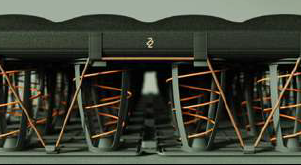 Engaging in outdoor activities such
as hiking or camping offers relaxing
experiences that reconnect us with
nature, but they can also be a challenge,
especially when we think about
comfort during the night. One of the
most critical aspects is the ability to
sleep on a surface that is comfortable,
lightweight, easy to transport, and
simple to clean.
LAYER studio collaborated with the
Chinese startup MAZZU, which specializes
in sleep products rooted in
advanced engineering and sustainable,
high-performance design. This
camping mattress is made without the
use of foam or glue, it offers the same
comfort as a domestic mattress in a
format designed for the outdoors. ...
Read full text
Engaging in outdoor activities such
as hiking or camping offers relaxing
experiences that reconnect us with
nature, but they can also be a challenge,
especially when we think about
comfort during the night. One of the
most critical aspects is the ability to
sleep on a surface that is comfortable,
lightweight, easy to transport, and
simple to clean.
LAYER studio collaborated with the
Chinese startup MAZZU, which specializes
in sleep products rooted in
advanced engineering and sustainable,
high-performance design. This
camping mattress is made without the
use of foam or glue, it offers the same
comfort as a domestic mattress in a
format designed for the outdoors. ...
Read full text
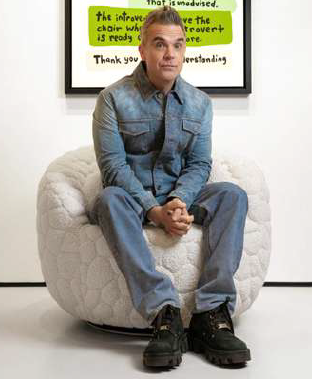 Designed for those who crave retreat
in a world that never stops talking.
The Introvert Chair is a sculptural
sanctuary that’s curved to cocoon and
padded to please. Designed by singersongwriter
and cultural icon Robbie
Williams, the chair captures the feeling
of slipping away into your own little
world. Whether you’re reflecting, reading
or people-watching without being
watched, the Introvert Chair offers a
comforting pause from the noise.
Its signature fabric – a tactile blend
of virgin wool, alpaca, and cotton – is
crafted in a warm ivory shade that soothes the nervous system. Each cover
is individually stitched using an innovative
3D quilting technique, turning
the surface into a sculptural play of
texture and light. Optional matching
pillows invite you to nest and adjust in
your own way. With enveloping curves
and a quiet silhouette, the Introvert
Chair makes a statement of stillness.
Robbie Williams is a visual artist exploring
vulnerability, ego and escapism
through bold, emotive forms.
Following three solo exhibitions with
Moco Museum, including 2025’s Radical
Honesty in London, he now brings
his creative world into design with The
Introvert Chair – a sculptural, cocooned
seat inspired by his own inner
ups and downs.
It’s not just a chair. It’s a soft place
to land, designed by someone who
knows how loud the world can get in
and brought to life with Moooi. ...
Read full text
Designed for those who crave retreat
in a world that never stops talking.
The Introvert Chair is a sculptural
sanctuary that’s curved to cocoon and
padded to please. Designed by singersongwriter
and cultural icon Robbie
Williams, the chair captures the feeling
of slipping away into your own little
world. Whether you’re reflecting, reading
or people-watching without being
watched, the Introvert Chair offers a
comforting pause from the noise.
Its signature fabric – a tactile blend
of virgin wool, alpaca, and cotton – is
crafted in a warm ivory shade that soothes the nervous system. Each cover
is individually stitched using an innovative
3D quilting technique, turning
the surface into a sculptural play of
texture and light. Optional matching
pillows invite you to nest and adjust in
your own way. With enveloping curves
and a quiet silhouette, the Introvert
Chair makes a statement of stillness.
Robbie Williams is a visual artist exploring
vulnerability, ego and escapism
through bold, emotive forms.
Following three solo exhibitions with
Moco Museum, including 2025’s Radical
Honesty in London, he now brings
his creative world into design with The
Introvert Chair – a sculptural, cocooned
seat inspired by his own inner
ups and downs.
It’s not just a chair. It’s a soft place
to land, designed by someone who
knows how loud the world can get in
and brought to life with Moooi. ...
Read full text
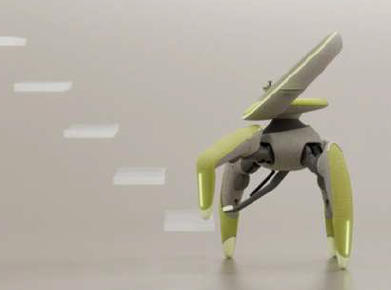 During Japan Mobility Show 2025,
Toyota reveals ‘walk me,’ a concept
autonomous wheelchair with foldable
tentacle legs that can climb stairs and
sit on the floor. On view at the event,
the assistive device helps people with
reduced mobility to move around places
where traditional wheelchairs aren’t
able to, including walking up and down
between floors and lifting the users to
their cars. Toyota’s autonomous wheelchair
replaces the traditional wheels
with four robotic and foldable legs.
Each leg can lift, bend, and adjust
its position on its own. The seat has a
supportive frame that holds the user
in a safe and upright position, and the
backrest curves to follow the shape
of the user’s back. The user asks the
device to move around using the small
side handles or a control interface
that can include buttons. ...
Read full text
During Japan Mobility Show 2025,
Toyota reveals ‘walk me,’ a concept
autonomous wheelchair with foldable
tentacle legs that can climb stairs and
sit on the floor. On view at the event,
the assistive device helps people with
reduced mobility to move around places
where traditional wheelchairs aren’t
able to, including walking up and down
between floors and lifting the users to
their cars. Toyota’s autonomous wheelchair
replaces the traditional wheels
with four robotic and foldable legs.
Each leg can lift, bend, and adjust
its position on its own. The seat has a
supportive frame that holds the user
in a safe and upright position, and the
backrest curves to follow the shape
of the user’s back. The user asks the
device to move around using the small
side handles or a control interface
that can include buttons. ...
Read full text
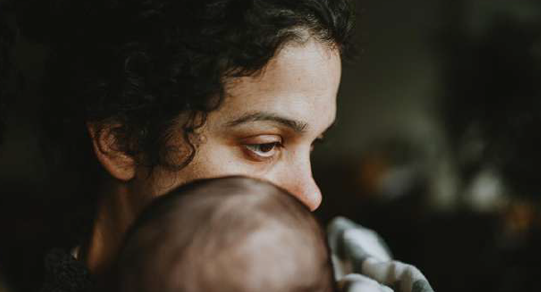 Like many first-time mothers,
Lisette Lopez-Rose thought
childbirth would usher in a time of
joy. Instead, she had panic attacks
as she imagined that something bad
was going to happen to her baby, and
she felt weighed down by a sadness
that wouldn’t lift. The San Francisco
Bay Area mother knew her extreme
emotions weren’t normal, but she was
afraid to tell her obstetrician. What if
they took her baby away?
At about six months postpartum, she
discovered an online network of women
with similar experiences and ultimately
opened up to her primary care doctor.
“About two months after I started medication,
I started to feel like I was coming
out of a deep hole and seeing light
again,” she says. Today, Lopez-Rose
works at Postpartum Support International,
coordinating volunteers to help new
mothers form online connections.
About one in eight US women go
through a period of postpartum depression,
making it among the most
common complications of childbirth.
It typically occurs in the first few
weeks after delivery, when there’s
a sudden drop in the reproductive
hormones estrogen and progesterone.
As scientists unravel chemical and genetic
changes caused by those shifting
hormones, they are discovering new
ways to diagnose and treat postpartum
depression, and even ways to identify
who is at risk for it. ...
Read full text
Like many first-time mothers,
Lisette Lopez-Rose thought
childbirth would usher in a time of
joy. Instead, she had panic attacks
as she imagined that something bad
was going to happen to her baby, and
she felt weighed down by a sadness
that wouldn’t lift. The San Francisco
Bay Area mother knew her extreme
emotions weren’t normal, but she was
afraid to tell her obstetrician. What if
they took her baby away?
At about six months postpartum, she
discovered an online network of women
with similar experiences and ultimately
opened up to her primary care doctor.
“About two months after I started medication,
I started to feel like I was coming
out of a deep hole and seeing light
again,” she says. Today, Lopez-Rose
works at Postpartum Support International,
coordinating volunteers to help new
mothers form online connections.
About one in eight US women go
through a period of postpartum depression,
making it among the most
common complications of childbirth.
It typically occurs in the first few
weeks after delivery, when there’s
a sudden drop in the reproductive
hormones estrogen and progesterone.
As scientists unravel chemical and genetic
changes caused by those shifting
hormones, they are discovering new
ways to diagnose and treat postpartum
depression, and even ways to identify
who is at risk for it. ...
Read full text
 While human suffering is an undeniable
reality, the idea that we
are becoming fundamentally sicker or
uncovering previously hidden disorders
is, in my opinion, a profound misreading
of the situation.
We are not discovering more illnesses;
we are not uncovering hidden
disorders; we are creating them through
a powerful process of social suggestion
coupled with highly misleading narratives
around underlying biology.
Are we evolving into a population
that increasingly interprets its normal
human experience and variance as
symptoms of a disorder?
A potential driver of this phenomenon
is the lesser-known antonym to the
placebo effect, the nocebo effect.
Just as in the placebo effect, expecting a positive outcome can elicit one, particularly
in the more subjective fields of
human endeavour, the nocebo effect is
the principle by which negative expectations
manifest negative outcomes. If you
expect a symptom, your brain becomes
hyper-vigilant, often interpreting benign
symptoms as evidence of disease, or in
some cases, generating the symptom
from the expectation alone. ...
Modern psychiatry, amplified by online
culture, has inadvertently weaponised
this effect, creating a self-perpetuating
cycle of mass pathologisation. Common
human experiences such as forgetfulness,
social awkwardness, tiredness,
distractibility, and emotional sensitivity
are no longer interpreted ...
Read full text:
While human suffering is an undeniable
reality, the idea that we
are becoming fundamentally sicker or
uncovering previously hidden disorders
is, in my opinion, a profound misreading
of the situation.
We are not discovering more illnesses;
we are not uncovering hidden
disorders; we are creating them through
a powerful process of social suggestion
coupled with highly misleading narratives
around underlying biology.
Are we evolving into a population
that increasingly interprets its normal
human experience and variance as
symptoms of a disorder?
A potential driver of this phenomenon
is the lesser-known antonym to the
placebo effect, the nocebo effect.
Just as in the placebo effect, expecting a positive outcome can elicit one, particularly
in the more subjective fields of
human endeavour, the nocebo effect is
the principle by which negative expectations
manifest negative outcomes. If you
expect a symptom, your brain becomes
hyper-vigilant, often interpreting benign
symptoms as evidence of disease, or in
some cases, generating the symptom
from the expectation alone. ...
Modern psychiatry, amplified by online
culture, has inadvertently weaponised
this effect, creating a self-perpetuating
cycle of mass pathologisation. Common
human experiences such as forgetfulness,
social awkwardness, tiredness,
distractibility, and emotional sensitivity
are no longer interpreted ...
Read full text:
 Online climate misinformation often
borrows the look and feel of scientific
figures and charts to gain legitimacy,
according to a new study. The analysis
highlights the importance of images and
aesthetics in spreading climate misinformation,
in contrast to previous studies
that have largely focused on its content.
“It’s no longer just about what is said,
but how it is shown,” says study team
member Anton Törnberg, a sociologist at
the University of Gothenburg in Sweden.
The findings reflect the rise of popular
internet platforms like Instagram, Tik-
Tok, and YouTube that integrate images
and text elements so that they amplify
and modulate each other’s meanings.
Törnberg and Petter Törnberg, a computational
social scientist at the University
of Amsterdam, analyzed 17,848
online text-and-image posts published
between 2010 and 2023 by eight key
players in the climate denial movement
in Sweden.
In the past it has been difficult to
analyze large amounts of such multimodal
data at once. But now AI can
help. The researchers used CLIP, a
neural network that allows combined
analysis of text and images, and a tool
known as BERTopic to organize the
posts by topic. The patterns in the data
were striking. “Much of this content
borrows the look and feel of science:
technical graphs, neutral colors, and
data-heavy visuals that give an aura
of objectivity ...
Read full text:
Online climate misinformation often
borrows the look and feel of scientific
figures and charts to gain legitimacy,
according to a new study. The analysis
highlights the importance of images and
aesthetics in spreading climate misinformation,
in contrast to previous studies
that have largely focused on its content.
“It’s no longer just about what is said,
but how it is shown,” says study team
member Anton Törnberg, a sociologist at
the University of Gothenburg in Sweden.
The findings reflect the rise of popular
internet platforms like Instagram, Tik-
Tok, and YouTube that integrate images
and text elements so that they amplify
and modulate each other’s meanings.
Törnberg and Petter Törnberg, a computational
social scientist at the University
of Amsterdam, analyzed 17,848
online text-and-image posts published
between 2010 and 2023 by eight key
players in the climate denial movement
in Sweden.
In the past it has been difficult to
analyze large amounts of such multimodal
data at once. But now AI can
help. The researchers used CLIP, a
neural network that allows combined
analysis of text and images, and a tool
known as BERTopic to organize the
posts by topic. The patterns in the data
were striking. “Much of this content
borrows the look and feel of science:
technical graphs, neutral colors, and
data-heavy visuals that give an aura
of objectivity ...
Read full text:
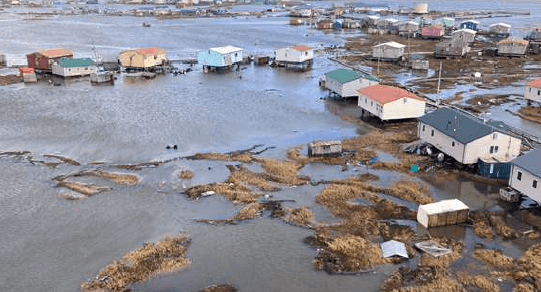 Less than two weeks ago [Oct. 2025],
a typhoon hit an Alaskan village so
severely that many of its homes floated
out to sea. Strong winds and flooding
from the cyclone destroyed houses in
at least 15 villages. Residents said the
damage looked like a bomb had gone
off. At least one person died.
The storm and the destruction it
wrought are the results of a terrible
confluence of events: climate change
bringing more frequent and extreme
weather; a government shutdown; and a
National Weather Service that, decimated
by DOGE cuts, had paused important
weather balloon data collection. The
communities that experienced the worst
storm surges were not in the original
forecasts, according to reports, and
were woefully unprepared. What Alaska faced was a perfect
storm —but it has for years been living
with the impacts of climate change. ...
The current administration last week
pledged to send $25 million in immediate
storm relief to Alaska. The
next day, it announced something else:
Parts of Alaska would be reopened for
new oil and gas drilling.
“We are strengthening energy
independence, creating jobs, and supporting
Alaska’s communities while
driving economic growth across the
state,” Interior Secretary Doug Burgum
announced.
The timing couldn’t feel more insensitive.
Kipnuk, an impacted village that
lost 90% of its homes during ...
Read full text:
Less than two weeks ago [Oct. 2025],
a typhoon hit an Alaskan village so
severely that many of its homes floated
out to sea. Strong winds and flooding
from the cyclone destroyed houses in
at least 15 villages. Residents said the
damage looked like a bomb had gone
off. At least one person died.
The storm and the destruction it
wrought are the results of a terrible
confluence of events: climate change
bringing more frequent and extreme
weather; a government shutdown; and a
National Weather Service that, decimated
by DOGE cuts, had paused important
weather balloon data collection. The
communities that experienced the worst
storm surges were not in the original
forecasts, according to reports, and
were woefully unprepared. What Alaska faced was a perfect
storm —but it has for years been living
with the impacts of climate change. ...
The current administration last week
pledged to send $25 million in immediate
storm relief to Alaska. The
next day, it announced something else:
Parts of Alaska would be reopened for
new oil and gas drilling.
“We are strengthening energy
independence, creating jobs, and supporting
Alaska’s communities while
driving economic growth across the
state,” Interior Secretary Doug Burgum
announced.
The timing couldn’t feel more insensitive.
Kipnuk, an impacted village that
lost 90% of its homes during ...
Read full text:
 In the late 1960s, scientists discovered
a miracle drug for Parkinson’s disease
—a simple, inexpensive dopamine-replacement
pill called levodopa. It transformed
the lives of millions of people.
People who could barely rise from a chair
could stand, walk, and work again. The
late Robin Williams famously brought the
drug’s promise into public view in the
1990 movie “Awakenings.” For more than
half a century, levodopa has been the
gold standard for treating Parkinson’s
disease, and the treatment is taught to
medical students worldwide. Yet in 2025,
most of the world’s 11.8 million people
with Parkinson’s cannot reliably get it.
Let that sink in. A generic, off-patent
medication that costs pennies a dose
—one that can restore dignity, mobility,
and independence— is out of reach
for many people who need it. This is
not because we lack the science. It’s
because we lack the will, the systems,
and the plan.
We’ve solved harder problems.
Two decades ago, the HIV/AIDS epidemic
was devastating the developing
world. Lifesaving antiretroviral drugs
existed but were locked behind high
prices and weak global distribution.
Through international coordination,
policy changes, and sustained advocacy,
we made those drugs available
worldwide. ... So why can’t we do the
same for Parkinson’s disease? In many
low- and middle-income countries,
levodopa is not on the shelves, or when
it is, the supply is unreliable. This
isn’t just a supply chain problem. It’s
a political and a moral failure. ...
Read full text:
In the late 1960s, scientists discovered
a miracle drug for Parkinson’s disease
—a simple, inexpensive dopamine-replacement
pill called levodopa. It transformed
the lives of millions of people.
People who could barely rise from a chair
could stand, walk, and work again. The
late Robin Williams famously brought the
drug’s promise into public view in the
1990 movie “Awakenings.” For more than
half a century, levodopa has been the
gold standard for treating Parkinson’s
disease, and the treatment is taught to
medical students worldwide. Yet in 2025,
most of the world’s 11.8 million people
with Parkinson’s cannot reliably get it.
Let that sink in. A generic, off-patent
medication that costs pennies a dose
—one that can restore dignity, mobility,
and independence— is out of reach
for many people who need it. This is
not because we lack the science. It’s
because we lack the will, the systems,
and the plan.
We’ve solved harder problems.
Two decades ago, the HIV/AIDS epidemic
was devastating the developing
world. Lifesaving antiretroviral drugs
existed but were locked behind high
prices and weak global distribution.
Through international coordination,
policy changes, and sustained advocacy,
we made those drugs available
worldwide. ... So why can’t we do the
same for Parkinson’s disease? In many
low- and middle-income countries,
levodopa is not on the shelves, or when
it is, the supply is unreliable. This
isn’t just a supply chain problem. It’s
a political and a moral failure. ...
Read full text:
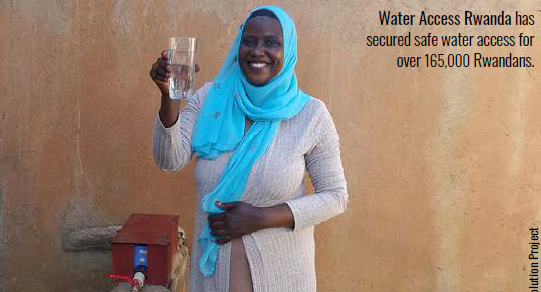 Christelle Kwizera was still a teenager
and hadn’t even graduated from her
engineering studies when she decided to
tackle an urgent problem in her home
country: safe water sources for local
villages in Eastern Rwanda. “Crocodiles
had migrated into the local lakes, and
their only source of food was people and
animals,” Kwizera learned. She had a
serious crush on MacGyver, the 1980s
TV hero and genius problem solver who
outsmarts his enemies with scientific
knowledge. He inspired her to study
mechanical engineering in Oklahoma,
and in the summer of 2014, at 20 years
old, she raised $75,000 to dig 13 new
boreholes in Rwanda with a team of
young locals. She initially thought of it
as a summer project, but fast-forward 10
years, and her social enterprise company, Water Access Rwanda, has secured safe
water access for over 165,000 Rwandans
through a network of boreholes, purified
clean water microgrids and irrigation
systems for farmers.
Among the investors to believe in
Kwizera were the founders of Resolution
Project who granted $3,000 to Kwizera
for another venture, Ingabo Safe Sites, a
program for youth by youth, working to
provide affordable and confidential access
to sexual and reproductive health.
Resolution Project CEO George Tsiatis
and his co-founders started the
nonprofit in 2009 to support young
changemakers. They focus on college
students who have a brilliant idea but
lack the means to implement ...
Christelle Kwizera was still a teenager
and hadn’t even graduated from her
engineering studies when she decided to
tackle an urgent problem in her home
country: safe water sources for local
villages in Eastern Rwanda. “Crocodiles
had migrated into the local lakes, and
their only source of food was people and
animals,” Kwizera learned. She had a
serious crush on MacGyver, the 1980s
TV hero and genius problem solver who
outsmarts his enemies with scientific
knowledge. He inspired her to study
mechanical engineering in Oklahoma,
and in the summer of 2014, at 20 years
old, she raised $75,000 to dig 13 new
boreholes in Rwanda with a team of
young locals. She initially thought of it
as a summer project, but fast-forward 10
years, and her social enterprise company, Water Access Rwanda, has secured safe
water access for over 165,000 Rwandans
through a network of boreholes, purified
clean water microgrids and irrigation
systems for farmers.
Among the investors to believe in
Kwizera were the founders of Resolution
Project who granted $3,000 to Kwizera
for another venture, Ingabo Safe Sites, a
program for youth by youth, working to
provide affordable and confidential access
to sexual and reproductive health.
Resolution Project CEO George Tsiatis
and his co-founders started the
nonprofit in 2009 to support young
changemakers. They focus on college
students who have a brilliant idea but
lack the means to implement ...
 If you live near squirrels, then you’ve
probably witnessed their suicidal tendencies
around roads. It can seem like
they are waiting for a car to approach
before darting across the asphalt, sometimes
changing direction multiple times
or freezing in the middle of the street,
only to be straddled by a car’s wheels.
Or, in some unfortunate instances, not.
It turns out these rodents, paradoxically,
feel safer near roads with lots of
traffic. The findings “seem counterintuitive,
but show while roads can
present a risk of being hit by a vehicle,
squirrels living near roads appear to
perceive the risk of being caught by a
predator as lower,” said Kristin Thompson,
who shed light on this phenomenon
while earning a PhD at the University
of Exeter in the UK. Ecologists coined the phrase “landscape
of fear” to describe how animals
modify their behavior based on how
risky a place seems, particularly when
it comes to encounters with predators.
But the things species evolved to
fear might be a poor match for a world
where humans have altered risks in
myriad unnatural ways.
Thompson discovered just such a
dynamic among gray squirrels living
in southeast England, according to a
paper in Oikos. To gauge how urban
squirrels differed in behavior from their
country cousins, the scientists visited
six locations with differing levels of
human presence such as roads and
buildings. ...
If you live near squirrels, then you’ve
probably witnessed their suicidal tendencies
around roads. It can seem like
they are waiting for a car to approach
before darting across the asphalt, sometimes
changing direction multiple times
or freezing in the middle of the street,
only to be straddled by a car’s wheels.
Or, in some unfortunate instances, not.
It turns out these rodents, paradoxically,
feel safer near roads with lots of
traffic. The findings “seem counterintuitive,
but show while roads can
present a risk of being hit by a vehicle,
squirrels living near roads appear to
perceive the risk of being caught by a
predator as lower,” said Kristin Thompson,
who shed light on this phenomenon
while earning a PhD at the University
of Exeter in the UK. Ecologists coined the phrase “landscape
of fear” to describe how animals
modify their behavior based on how
risky a place seems, particularly when
it comes to encounters with predators.
But the things species evolved to
fear might be a poor match for a world
where humans have altered risks in
myriad unnatural ways.
Thompson discovered just such a
dynamic among gray squirrels living
in southeast England, according to a
paper in Oikos. To gauge how urban
squirrels differed in behavior from their
country cousins, the scientists visited
six locations with differing levels of
human presence such as roads and
buildings. ...
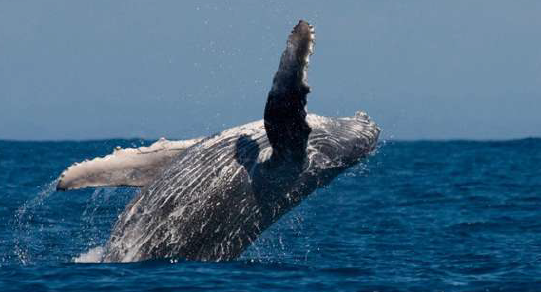 Tonga’s Princess Angelika
Lātūfuipeka Tuku‘aho is calling
for whales to have legal rights. “The
time has come to recognise whales not
merely as resources but as sentient
beings with inherent rights,” Princess
Angelika told the One Ocean Science
Congress in France.
Talanoa Tonga reported the global
“I’m a Person Too” campaign is asking
governments to give whales legal
personhood. More than 367,000 people
around the world have supported it.
Tonga has a strong connection to
whales. In 1978, the late Tongan King
Tāufa‘āhau Tupou IV banned whale
hunting in Tongan waters, creating one
of the world’s first whale sanctuaries.
The declaration also seeks to protect
the rights of tohorā to migrate freely,
conserve and grow dwindling populations,
establish marine protected areas,
and use mātauranga (traditional knowledge)
Māori alongside science for better
protections and set-up a dedicated
fund for whale conservation.
After Kiingi Tuheitia’s death, the
residents of the Tonga island group
of Vava’u promised to honour the late
Māori King’s call for whales to be given
personhood. A whale watching guide in
Vava’u, Siaki Siosifa Fauvao, told RNZ
Pacific his community was committed
to safeguarding the mammals. “We
will protect the whale; the whale is like
a family to the Tongan people,” Fauvao
said. One of the late Māori King’s closest
advisors, Rahui Papa, said the Pacific
...
Tonga’s Princess Angelika
Lātūfuipeka Tuku‘aho is calling
for whales to have legal rights. “The
time has come to recognise whales not
merely as resources but as sentient
beings with inherent rights,” Princess
Angelika told the One Ocean Science
Congress in France.
Talanoa Tonga reported the global
“I’m a Person Too” campaign is asking
governments to give whales legal
personhood. More than 367,000 people
around the world have supported it.
Tonga has a strong connection to
whales. In 1978, the late Tongan King
Tāufa‘āhau Tupou IV banned whale
hunting in Tongan waters, creating one
of the world’s first whale sanctuaries.
The declaration also seeks to protect
the rights of tohorā to migrate freely,
conserve and grow dwindling populations,
establish marine protected areas,
and use mātauranga (traditional knowledge)
Māori alongside science for better
protections and set-up a dedicated
fund for whale conservation.
After Kiingi Tuheitia’s death, the
residents of the Tonga island group
of Vava’u promised to honour the late
Māori King’s call for whales to be given
personhood. A whale watching guide in
Vava’u, Siaki Siosifa Fauvao, told RNZ
Pacific his community was committed
to safeguarding the mammals. “We
will protect the whale; the whale is like
a family to the Tongan people,” Fauvao
said. One of the late Māori King’s closest
advisors, Rahui Papa, said the Pacific
...

 Functional kitchen prep set made for
kids. Crafted in France, intelligently designed
for safe use. Features a rounded
tip blade that reduces accidental punctures
but cuts and chops like a full-size
knife.
store.moma.org
Functional kitchen prep set made for
kids. Crafted in France, intelligently designed
for safe use. Features a rounded
tip blade that reduces accidental punctures
but cuts and chops like a full-size
knife.
store.moma.org
 This picture frame provides a portal
through which once can gaze back onto fond travels.
Each package contains three frames.
www.designboom.com
This picture frame provides a portal
through which once can gaze back onto fond travels.
Each package contains three frames.
www.designboom.com

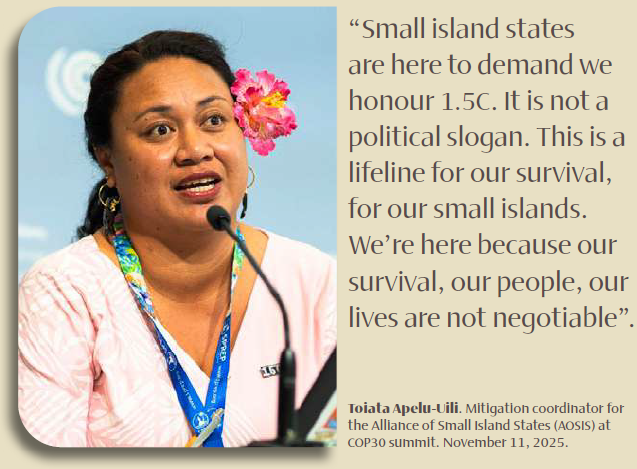


 The Bachelor in Religious Studies offers
a comprehensive exploration of
the world’s religious traditions, sacred
texts, philosophies, rituals, and ethical
systems. The program examines religion
as a central aspect of human culture,
history, and identity, providing a broad
understanding of how belief systems
shape societies and influence contemporary
issues such as politics, education,
art, and interfaith dialogue. Students
develop critical thinking, analytical, and
intercultural communication skills while
exploring the spiritual, historical, and
social dimensions of religion.
The Bachelor of Religious Studies
program is offered online via distance
learning. After evaluating both academic
record and life experience, AIU
staff working in conjunction with Faculty
and Academic Advisors will assist
students in setting up a custom-made
program, designed on an individual
basis. This flexibility to meet student
needs is seldom found in other distance
learning programs. Our online program
does not require all students to take the
same subjects/courses, use the same
books, or learning materials. Instead,
the online Bachelor of Religious Studies
curriculum is designed individually by
the student and academic advisor. It
specifically addresses strengths and
weaknesses with respect to market
opportunities in the student’s major
and intended field of work. Understanding
that industry and geographic
factors should influence the content of
the curriculum instead of a standardized
one-fits-all design is the hallmark
of AIU’s unique approach to adult education.
This philosophy addresses the
dynamic and constantly changing environment
of working professionals by
helping adult students in reaching their
professional and personal goals within
the scope of the degree program.
The Bachelor in Religious Studies offers
a comprehensive exploration of
the world’s religious traditions, sacred
texts, philosophies, rituals, and ethical
systems. The program examines religion
as a central aspect of human culture,
history, and identity, providing a broad
understanding of how belief systems
shape societies and influence contemporary
issues such as politics, education,
art, and interfaith dialogue. Students
develop critical thinking, analytical, and
intercultural communication skills while
exploring the spiritual, historical, and
social dimensions of religion.
The Bachelor of Religious Studies
program is offered online via distance
learning. After evaluating both academic
record and life experience, AIU
staff working in conjunction with Faculty
and Academic Advisors will assist
students in setting up a custom-made
program, designed on an individual
basis. This flexibility to meet student
needs is seldom found in other distance
learning programs. Our online program
does not require all students to take the
same subjects/courses, use the same
books, or learning materials. Instead,
the online Bachelor of Religious Studies
curriculum is designed individually by
the student and academic advisor. It
specifically addresses strengths and
weaknesses with respect to market
opportunities in the student’s major
and intended field of work. Understanding
that industry and geographic
factors should influence the content of
the curriculum instead of a standardized
one-fits-all design is the hallmark
of AIU’s unique approach to adult education.
This philosophy addresses the
dynamic and constantly changing environment
of working professionals by
helping adult students in reaching their
professional and personal goals within
the scope of the degree program.
 Atlantic International University
has implemented a paradigm shifting educational model for its academic programs that have allowed it to move closer to this goal through the self-empowerment of its students, decentralization of the learning process, personalized open curriculum design, a sustainable learning model, developing 11 core elements of the Human Condition within MYAIU, and utilizing the quasi-infinite knowledge through the use of information technology combined with our own capacity to find solutions to all types of global issues, dynamic problems, and those of individuals and multidisciplinary teams.
Atlantic International University
has implemented a paradigm shifting educational model for its academic programs that have allowed it to move closer to this goal through the self-empowerment of its students, decentralization of the learning process, personalized open curriculum design, a sustainable learning model, developing 11 core elements of the Human Condition within MYAIU, and utilizing the quasi-infinite knowledge through the use of information technology combined with our own capacity to find solutions to all types of global issues, dynamic problems, and those of individuals and multidisciplinary teams.
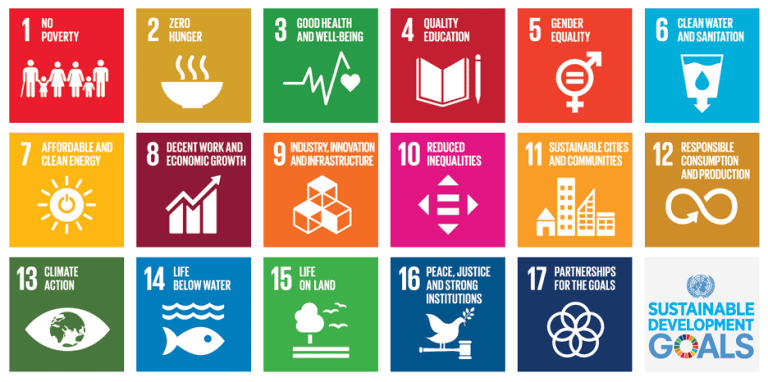
| Dr. Franklin Valcin Presi den t/Academic Dean |
Dr. José Mercado Chief Executive Officer Chairman of the Board of Trustees |
Ricardo González, PhD Provost |
| Dr. Ricardo Gonzalez Chief Operation Officer and MKT Director |
Linda Collazo Logistics Coordinator |
AIU Tutors Coordinators: Deborah Rodriguez Amiakhor Ejaeta Amanda Gutierrez William Mora Miriam James Admissions Coordinators: Amalia Aldrett Sandra Garcia Junko Shimizu Veronica Amuz Alba Ochoa Jenis Garcia Judith Brown Chris Soto René Cordón Dr. Anderas Rissler Academic Coordinators: Dr. Adesida Oluwafemi Dr. Emmanuel Gbagu Dr. Lucia Gorea Dr. Edgar Colon Dr. Mario Rios Freddy Frejus Dr. Nilani Ljunggren De Silva Dr. Scott Wilson Dr. Mohammad Shaidul Islam |
| Dr. Miriam Garibaldi Vice provost for Research |
Carolina Valdes Human Resource Coordinator |
|
| Dr. Ofelia Miller Director of AIU |
Carlos Aponte Teleco mmunications Coordinator |
|
| Clara Margalef Director of Special Projects of AIU |
David Jung Corporate/Legal Counsel |
|
| Juan Pablo Moreno Director of Operations |
Bruce Kim Advisor/Consultant |
|
| Paula Viera Director of Intelligence Systems |
Thomas Kim Corporate/ Accounting Counsel |
|
| Felipe Gomez Design Director / IT Supervisor |
Maricela Esparza Administrative Coordinator |
|
| Kevin Moll Web Designer |
Chris Benjamin IT and Hosting Support |
|
| Daritza Ysla IT Coordinator |
Maria Pastrana Accounting Coordinator |
|
| Daritza Ysla IT Coordinator |
Roberto Aldrett Communications Coordinator |
|
| Nadeem Awan Chief Programming Officer |
Giovanni Castillo IT Support |
|
| Dr. Edward Lambert Academic Director |
Antonella Fonseca Quality Control & Data Analysis |
|
| Dr. Ariadna Romero Advisor Coordinator |
Adrián Varela Graphic Design |
|
| Jhanzaib Awan Senior Programmer |
Vanesa D’Angelo Content Writer |
|
| Leonardo Salas Human Resource Manager |
Jaime Rotlewicz Dean of Admissions |
|
| Benjamin Joseph IT and Technology Support |
Michael Phillips Registrar’s Office |
|
| Rosie Perez Finance Coordinator |
||
 The School of Business and Economics
allows aspiring and practicing
professionals, managers, and entrepreneurs
in the private and public sectors
to complete a self paced distance
learning degree program of the highest
academic standard.
The ultimate goal is to empower
learners and help them take advantage
of the enormous array of resources
from the world environment in order
to eliminate the current continuum of
poverty and limitations.
Degree programs are designed for
those students whose professional experience has been in business,
marketing, administration, economics,
finance and management.
The School of Business and Economics
allows aspiring and practicing
professionals, managers, and entrepreneurs
in the private and public sectors
to complete a self paced distance
learning degree program of the highest
academic standard.
The ultimate goal is to empower
learners and help them take advantage
of the enormous array of resources
from the world environment in order
to eliminate the current continuum of
poverty and limitations.
Degree programs are designed for
those students whose professional experience has been in business,
marketing, administration, economics,
finance and management.
 The School of Social and Human Studies
is focused on to the development of
studies which instill a core commitment
to building a society based on social and
economic justice and enhancing opportunities
for human well being.
The founding principles lie on the
basic right of education as outlined
in the Declaration of Human Rights.
We instill in our students a sense of
confidence and self reliance in their
ability to access the vast opportunities
available through information channels,
the world wide web, private, public,
nonprofit, and nongovernmental organizations in an ever expanding
global community.
Degree programs are aimed towards
those whose professional life has been
related to social and human behavior,
with the arts, or with cultural studies.
The School of Social and Human Studies
is focused on to the development of
studies which instill a core commitment
to building a society based on social and
economic justice and enhancing opportunities
for human well being.
The founding principles lie on the
basic right of education as outlined
in the Declaration of Human Rights.
We instill in our students a sense of
confidence and self reliance in their
ability to access the vast opportunities
available through information channels,
the world wide web, private, public,
nonprofit, and nongovernmental organizations in an ever expanding
global community.
Degree programs are aimed towards
those whose professional life has been
related to social and human behavior,
with the arts, or with cultural studies.
 The School of Science and Engineering
seeks to provide dynamic, integrated,
and challenging degree programs
designed for those whose experience
is in industrial research, scientific production,
engineering and the general
sciences. Our system for research and
education will keep us apace with the
twenty-first century reach scientific
advance in an environmentally and
ecologically responsible manner to allow
for the sustainability of the human
population. We will foster among our
students a demand for ethical behavior,
an appreciation for diversity, an understanding
of scientific investigation, knowledge of design innovation, a
critical appreciation for the importance
of technology and technological change
for the advancement of humanity.
The School of Science and Engineering
seeks to provide dynamic, integrated,
and challenging degree programs
designed for those whose experience
is in industrial research, scientific production,
engineering and the general
sciences. Our system for research and
education will keep us apace with the
twenty-first century reach scientific
advance in an environmentally and
ecologically responsible manner to allow
for the sustainability of the human
population. We will foster among our
students a demand for ethical behavior,
an appreciation for diversity, an understanding
of scientific investigation, knowledge of design innovation, a
critical appreciation for the importance
of technology and technological change
for the advancement of humanity.
 With access to a global catalog created and maintained collectively by more than
9,000 participating institutions, AIU students have secured excellent research
tools for their study programs.
With access to a global catalog created and maintained collectively by more than
9,000 participating institutions, AIU students have secured excellent research
tools for their study programs.
