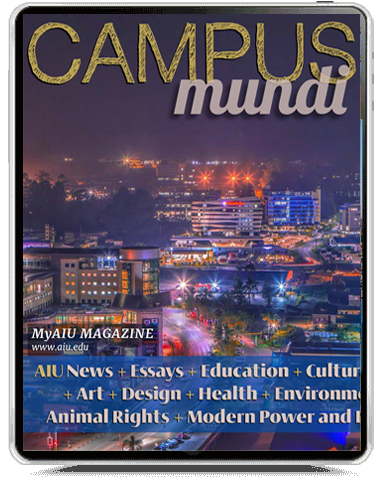

November 2024 Edition!
AIU News + Essays + Education + Culture + Science + Technology + Art + Design + Health + Environment + Human Rights + Animal Rights + + Modern Power and Energy Sys + About AIU
Other Editions

AIU News + Essays + Education + Culture + Science + Technology + Art + Design + Health + Environment + Human Rights + Animal Rights + + Modern Power and Energy Sys + About AIU

 SEPTEMBER 12, 2024.
Dr. Emmanuel Ampem
Darko, the esteemed
CEO of Kwayisi Christian
Herbal Clinic, has been
awarded a professorship
in biology by
Atlantic International University’s
(AIU) Department of
Biology. The prestigious accolade
was presented during a
special ceremony marking the
10th anniversary of Baffour Atua
Kroko, the founder of Kwayisi
Christian Herbal Clinic, held at
Nankese Ayisaa. Professors Michael
Philips-Corre and Jose M.
Atri, co-presidents of the
AIU Department of Biology,
validated that Dr.
Darko met all requirements
for the honorary
degree, underscoring his
exemplary work. AIU’s official
statement highlights Dr. Darko’s
extensive insights into plant
medicine, within Ghana and internationally.
His dedication to
integrating plant medicine into
high-quality healthcare earned
him this recognition.
SEPTEMBER 12, 2024.
Dr. Emmanuel Ampem
Darko, the esteemed
CEO of Kwayisi Christian
Herbal Clinic, has been
awarded a professorship
in biology by
Atlantic International University’s
(AIU) Department of
Biology. The prestigious accolade
was presented during a
special ceremony marking the
10th anniversary of Baffour Atua
Kroko, the founder of Kwayisi
Christian Herbal Clinic, held at
Nankese Ayisaa. Professors Michael
Philips-Corre and Jose M.
Atri, co-presidents of the
AIU Department of Biology,
validated that Dr.
Darko met all requirements
for the honorary
degree, underscoring his
exemplary work. AIU’s official
statement highlights Dr. Darko’s
extensive insights into plant
medicine, within Ghana and internationally.
His dedication to
integrating plant medicine into
high-quality healthcare earned
him this recognition.
 SEPTEMBER 9, 2024.
One of our graduates,
Gil Itay, has successfully
completed his Doctorate
program in National
Security and Defense
and has recently published
his thesis titled “Human
Behavior and Performance Under
Stress” on the AIU Student
Publication Website. This remarkable
research delves into
the impact of stress on human
performance, particularly in
high-stakes military environments,
and presents new strategies
for improving resilience
among combat fighters.
Gil’s thesis investigates the
CWR Model —a performance
enhancement framework he developed— designed
to evaluate and improve
the mental resilience
and response of combat
soldiers in stressful
scenarios. By examining
the behavior and
performance of several elite
special units, Gil Itay’s work
aims to mitigate the long-term
risks of post-traumatic stress
disorder (PTSD) in military
personnel.
Gil Itay’s research makes
a significant contribution to
military training and mental
health support.
Find Gil Itay’s full thesis
here: https://www.aiu.edu/student_
pub/human-behavior-andperformance-
under-stress/
SEPTEMBER 9, 2024.
One of our graduates,
Gil Itay, has successfully
completed his Doctorate
program in National
Security and Defense
and has recently published
his thesis titled “Human
Behavior and Performance Under
Stress” on the AIU Student
Publication Website. This remarkable
research delves into
the impact of stress on human
performance, particularly in
high-stakes military environments,
and presents new strategies
for improving resilience
among combat fighters.
Gil’s thesis investigates the
CWR Model —a performance
enhancement framework he developed— designed
to evaluate and improve
the mental resilience
and response of combat
soldiers in stressful
scenarios. By examining
the behavior and
performance of several elite
special units, Gil Itay’s work
aims to mitigate the long-term
risks of post-traumatic stress
disorder (PTSD) in military
personnel.
Gil Itay’s research makes
a significant contribution to
military training and mental
health support.
Find Gil Itay’s full thesis
here: https://www.aiu.edu/student_
pub/human-behavior-andperformance-
under-stress/
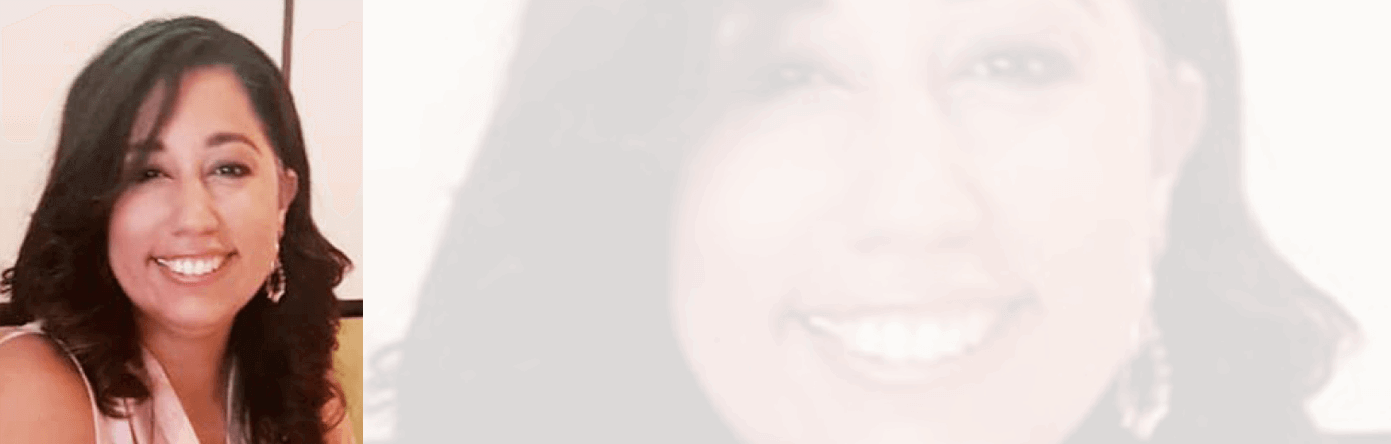 Dr. Ana Elisa
Villalaz Sánchez
is a Clinical
Psychologist and
Psychotherapist.
Her journey is
a testament to
her dedication
and passion for
improving the
quality of life
for children,
adolescents,
and adults. Source: Global Autism
Community
As the Founder and Director
of LCTI INTERNATIONAL
GROUP, Ana Elisa has created a
platform that provides efficient
care services and psychoeducational
programs. One of
her notable achievements is
The Global Autism Community,
a comprehensive guide that
emerged during the challenging
times of the COVID-19 pandemic.
It is a valuable resource
for parents, offering them
insights into creating success,
love, and peace for their children
and families.
The Global Autism Summit
event series, initiated by Ana
Elisa, is another exceptional
project. It features over 100
interviews with autism experts,
reaching and benefitting a vast
audience of nearly 126,000 people. This
summit is not
only a source of
valuable knowledge
but also a
source of hope
and support for
families dealing
with autism.
Source: Ana Elisa ’s
Office (elconsultoriodeanaelisa.
com)
Ana Elisa
also serves as the Founder and
Director of EL CONSULTORIO
DE ANA ELISA, offering online
personalized assessments,
clinical psychology, and therapeutic
services. Additionally,
as the Founder and Director
of LOGROS, CENTRO TERAPÉUTICO
INTEGRAL, she provides
personalized in-person evaluations,
clinical psychology, and
therapeutic services, making a
significant impact in Panama.
Her commitment to making
a difference in the world of
autism is further exemplified
by her role as Vice President
of FUNDACIÓN SOY CAPAZ.
She volunteers her time and
expertise to promote integral
development for adults with
autism spectrum disorder,
showcasing her generous
nature and dedication to the
well-being of others. When asked about the
foundation of her career, Dr.
Villalaz didn’t shy away from
revealing the contribution of
AIU’s doctorate program and
course materials that enhanced
her skills and upgraded
her qualifications. She
also elaborated on the efficiency
of online education and
the flexibility that it offered
her. It was a transformational
experience that unleashed
her personal and professional
growth and expanded her
mental ability, emotions, and
spirit. She also mentioned how
the andragogy’s dynamic approach
sparked creativity, and
AIU’s support deepened her
self-awareness, resilience, and
determination and reaffirmed
her uniqueness. ...
If this story touches your
heart and ignites your passion
for making a difference,
don’t stop yourself. Spread
awareness and create your
own success story that can
further illuminate positivity
among others. Take a look at
her graduation ceremony and
Apply for the program you are
interested in.
Read full text: https://www.aiu.edu/news/aiu-aninspiring-
story-of-inclusivity-embracing-differences-
and-creating-a-more-compassionate-world/
Dr. Ana Elisa
Villalaz Sánchez
is a Clinical
Psychologist and
Psychotherapist.
Her journey is
a testament to
her dedication
and passion for
improving the
quality of life
for children,
adolescents,
and adults. Source: Global Autism
Community
As the Founder and Director
of LCTI INTERNATIONAL
GROUP, Ana Elisa has created a
platform that provides efficient
care services and psychoeducational
programs. One of
her notable achievements is
The Global Autism Community,
a comprehensive guide that
emerged during the challenging
times of the COVID-19 pandemic.
It is a valuable resource
for parents, offering them
insights into creating success,
love, and peace for their children
and families.
The Global Autism Summit
event series, initiated by Ana
Elisa, is another exceptional
project. It features over 100
interviews with autism experts,
reaching and benefitting a vast
audience of nearly 126,000 people. This
summit is not
only a source of
valuable knowledge
but also a
source of hope
and support for
families dealing
with autism.
Source: Ana Elisa ’s
Office (elconsultoriodeanaelisa.
com)
Ana Elisa
also serves as the Founder and
Director of EL CONSULTORIO
DE ANA ELISA, offering online
personalized assessments,
clinical psychology, and therapeutic
services. Additionally,
as the Founder and Director
of LOGROS, CENTRO TERAPÉUTICO
INTEGRAL, she provides
personalized in-person evaluations,
clinical psychology, and
therapeutic services, making a
significant impact in Panama.
Her commitment to making
a difference in the world of
autism is further exemplified
by her role as Vice President
of FUNDACIÓN SOY CAPAZ.
She volunteers her time and
expertise to promote integral
development for adults with
autism spectrum disorder,
showcasing her generous
nature and dedication to the
well-being of others. When asked about the
foundation of her career, Dr.
Villalaz didn’t shy away from
revealing the contribution of
AIU’s doctorate program and
course materials that enhanced
her skills and upgraded
her qualifications. She
also elaborated on the efficiency
of online education and
the flexibility that it offered
her. It was a transformational
experience that unleashed
her personal and professional
growth and expanded her
mental ability, emotions, and
spirit. She also mentioned how
the andragogy’s dynamic approach
sparked creativity, and
AIU’s support deepened her
self-awareness, resilience, and
determination and reaffirmed
her uniqueness. ...
If this story touches your
heart and ignites your passion
for making a difference,
don’t stop yourself. Spread
awareness and create your
own success story that can
further illuminate positivity
among others. Take a look at
her graduation ceremony and
Apply for the program you are
interested in.
Read full text: https://www.aiu.edu/news/aiu-aninspiring-
story-of-inclusivity-embracing-differences-
and-creating-a-more-compassionate-world/
 Call for Papers
This Conference will be held
25-26 September 2005
at Linköping University,
Norrköping, Sweden + Online.
We invite proposals for paper
presentations, workshops/
interactive sessions, posters/
exhibits, colloquia, focused
discussions, innovation showcases,
virtual posters, or virtual
lightning talks.
Call for Papers
This Conference will be held
25-26 September 2005
at Linköping University,
Norrköping, Sweden + Online.
We invite proposals for paper
presentations, workshops/
interactive sessions, posters/
exhibits, colloquia, focused
discussions, innovation showcases,
virtual posters, or virtual
lightning talks.
| Demiter Seke Nsakala Bachelor of Business and Economics Supply Chain and Logistics Management Angola |
Laura Marcela Bomben Bachelor of Business Administration Human Resources Administration Argentina |
Mohammad Kamruzzaman Doctor of Business Administration Business Administration Bangladesh |
Jessica Sbarra Master of Science Gerontology Public Health Canada |
Neri Camina Jr Master of Science Health Care Administration Canada |
Paola Andrea Serna Caballero Bachelor of Science Psychology Colo |
| Claudia Lorena García Giraldo Doctor of Education Education Colombia |
Kadaba Michel Master of Education Education Congo |
Henry Kabeya Doctor of Science Counselling Psychology Congo (DRC ) |
Viotil Margarita de Luna Doctor of Science Legal and Political Science Dominican Republi |
Daysi Jimena Medina Villalba Bachelor of Psychology Neuropsychology Ecuador |
Abdulaziz Ibrahim Feto Doctor of Business Business Management Ethiop ia |
| Joseph El Khoury Tanios Abi Ramia Bachelor of Science Electrical Engineering Fra |
Tamar Zhordania Master of Arts Music Therapy and Counseling Georgia |
Gertrude Kafui Boamah Doctor of Arts Ethnomusicology Ghan |
Skoulakis Vasileios Doctor of Philosop hy Human Resources Management Greece |
Jimmy Danny Aldana Chacon Master of Finance Finance Guatemala |
Haba Cece Jules Master of Science Information Technology Guin |
| Roy Felipe Barahona Fuentes Doctor of International Relations International Relations and Economics Honduras |
Rocio Del Carmen Chain Chain Bachelor of Business Administration Banking and Finance Honduras |
Romel Edgardo Sanchez Bonilla Master of Science Urban Planning Honduras |
Roslyn E. Smith Bachelor of Business and Economics Business Administration Jamaica |
Kasha Keleia Allison Master of Accounting Accounting Jamaica |
Nadia Hylton Master of Science Science and Agriculture Education Jamaica |
| Shaneille Sash-Nicole Samuels Doctor of Philosop hy Quantitative Finance Jamaica |
Isaac Fayiah Fayiah Bachelor of Science Electromechanical Engineering Liberia |
Mcneil Elias Kayuni Doctor of Soc. Justice and Human Studies Human Rights Malawi |
Orlando Díaz Osuna Doctor of Science Legal Studies Mexico |
Claudia Alejandra Mergold Villaseñor Doctor of Education Education Mexico |
Petronila del Socorro Velásquez Lazo Bachelor of Science Psychology Nicaragua |
| Mohammed-Sharif Yakubu Doctor of Science Accounting Nigeria |
Oyesola Opeoluwa Oworu Doctor of Business Administration Business Management Nigeria |
Friday Gabriel Imoluamen Doctor of Philosop hy Social Welfare Nigeria |
Robert Oshioke Ogirri Doctor of Philosop hy Business Administration and Management Nigeria |
Olumuyiwa Adewuyi Adebayo Doctor of Business Administration Finance Nigeria |
Oluwaseun Yinka Alabi Doctor of Philosop hy Project Management Nigeria |
| Ana Cárdenas Quesada Bachelor of Education Psychopedagogy Panama |
Esther Komble Takili Bachelor of International Relations Diplomatic Relations Pap ua New Guinea |
Lilian Mariel Cabrera Ferreira Doctor of Accounting Accounting, Auditing and Finance Paraguay |
Noé Avendaño Ochoa Bachelor of Science Psychology Peru |
Noé Avendaño Ochoa Bachelor of Science Psychology Peru |
José Jaime Mestas Ponce Doctor of Philosop hy Legal Studies Peru |
| Irving Pou Rivera Doctor of Public Health Epidemiology Puerto Rico |
Jagadi Rodriguez Canales Doctor of Science Legal Studies Puerto Rico |
Lazaroni Flavia-Mihaela Doctor of Science Nutrition and Health Science Romania |
Browlia Cassandra Audain Bachelor of Arts Special Education Saint Kitts and Ne |
Peter John Amara Bachelor of Science Human Development Sierra Leone |
Sunday Abraham Omolajaiye Doctor of Philosop hy Public Health South Africa |
| Joseph Kudzanai Mutsigwa Doctor of Science Disaster Risk Management Swaz iland |
Alces Dor Doctor of Science Psychology Turks and Caicos Islands |
Jason Steven Henry Doctor of Education Adult Education Turks and Caicos Islands |
Laura Kyomukama Agaba Doctor of Education Education Uganda |
Haytham Said Shabayek Doctor of Philosop hy Child Psychology and Development United Arab Emirates |
Salian Jewel Sesay Master of Science Public Health United Kingdom |
| Susan Natalie Simms Doctor of Business Education Business Education USA |
Eze Anastasia Chinwendu Bachelor of Science Healthcare Management USA |
Claudia Arteaga Rojas Doctor of Education Education USA |
Jose Gregorio Marquez Doctor of Psychology Cognitive Behavioral Family Therapy USA |
Amanda Liz Jusino Rodríguez Doctor of Digital Marketing Artificial Intelligence USA |
Jael V Noguera Perez Doctor of Science Psychology USA |
| Charlius Pierre Post-Doctorate of International Studies International Relations USA |
George Abang Tawoh Doctor of Philosop hy Project Management USA |
Mohammad Hamidullah Sheikh Doctor of Philosop hy Public Administration USA |
Jeffery Fleming Doctor of Science Sustainable Design and Construction USA |
Jean Leonrd Onana Effala Doctor of Science Civil Engineering USA |
Deng Gieu Reng Doctor of Science Renewable and Sustainable Energy USA |
| Jesús Ángel García Arasa Bachelor of Theology Theology USA |
Francisco José Gil Mejía Bachelor of Science Political Science USA |
Alex Bupe Bwalya Master of Science Civil Engineering Zambia |
Prisca Siangazi Master of Business Administration Business Administration Zambia |
Timothy Lungu Doctor of Philosop hy Project Management Zambia |
Betty Siakwale Bachelor of Communications Communications Zambia |
| Agnes Zengeya Bachelor of Science Mental Health Zimbabwe |
Forbes Kanogwere Doctor of Proj ect Management Project Management Zimbabwe |
||||
 Kurginama Mathew Joktan
  Anastasia Eze
  Betty Siakwale
  JBradshaw Tomlinson
We often wonder what
is happening with our
world, which seems less familiar
to us every day. Today we do things this way and tomorrow
we are told to do them
differently.
How can we find the middle ground to live a happy life?
It was said that one studied
and with that one had a guaranteed
future; now one studies, and it seems that the results
are not the same.
First, one must know what
studying is, second, why
and where. Before, to study,
applicants to enter a university
thought about what they
would like to know. They took
tests of general competencies
and of the knowledge of that
area itself.
Today there is greater clarity
about what studying is: Pedagogy
and Psychology, like all
sciences, have their advances;
it is not about having brilliant
reasoning, it is about being
able to explain: the what, the
how, the why, the where, the
when, being able to represent,
being able to quantify in the
case of the sciences of quantity
and also to distinguish when a
science only reaches quality.
Even today there is talk of
a methodology that can unite
quantity and quality.
In the why we must know
that a society doesn’t remain
static; societies, as humans discover step by step what nature
is, make changes in their
ways of life.
Nowadays we have a society
that changes at a very fast
pace. We have Artificial Intelligence
and with it the media:
we have information and
often misinformation almost
instantly about what happens
anywhere in the world.
Trade nowadays is global.
With globalization, you can
work anywhere in the world.
Now, what you must learn to
be in this world is to distinguish
the media that stay away
from misinformation and hate
speech from those that don't. few years ago, people
listened to information and
didn't doubt its veracity; today,
that's not possible. We must
find our protective layer to live
in peace and not be a victim
and fall into nervous tension.
As for why we study, we already
know: to know and have
a source of income for subsistence
needs.
That subsistence is what has
become problematic.
Before, people studied and
looked for a job and the matter
were resolved: people stayed
there even when they were going
to retire.
Nowadays, you go to a Bank
and there are few staff.
You go to a store and there
are few staff.
You go to a restaurant and
there are few staff.
Well, if you studied, what
happens now is that it's difficult
to find a job because
the world seems to be going
backwards.
They make you study more
and there are fewer jobs. What
can I do if everything seems
to be going backwards? What
world are we living in? How
can I resolve this situation?
If I don’t study, I will understand
less what is happening,
and if I study, what am
I going to do? Where is this
world headed?
It happens that when you go
to a Bank, a computer appears: if you are going to do this;
here; if you are going to do
that; here.
Oh! There is also mobile
banking, and you can do it
from your phone.
If you go to a grocery store,
you can order them and they
bring them to you, or there are
computer terminals, and you
pay here by yourself.
If it is a clothing store, a
lone employee who walks
around there tells you: go to
that corner and put the merchandise
in the box together.
There is a computer terminal
that tells you how much to
pay and if you want packaging
in what to take it, how much
more it will be.
If you go to a restaurant,
before you enter, the menu is
already visible on an electronic
board and everything they
serve appears from there you
mark what you want, and it
also tells you where you are
going to sit; it also tells you
how much to pay. It also tells
you about the time in which
they will bring your order.
Only one employee comes
and brings you everything.
In this world, it seems
that studying is complicated
because what am I going to do
later. What do I have to do now
to enter a university?
Ah! But now in this new
world there is freedom of
creation, and the world is open for creativity. Today,
the doors are open to being an
entrepreneur; to create your
niche market.
The thing is that creating
my own company is difficult
because I have seen that many
fail. Do you know why they
fail? Because they don’t study
well the elements that enter for
the undertaking. That is where
the study is applied.
According to Arturo Elias
Ayub, to undertake means to
pursue and execute a dream.
Therefore, the first step is to find a business idea. You have
to start by asking yourself
what you want to do, what
need, or problem or necessity
have I identified in my
day to day, in my environment,
in the community, and
ask yourself how you could
solve them. First, I have to
know important: what are my
interests?
What am I passionate
about? What am I good
at? Where do I see myself
in 10 or 20 years? Ayub. The
entrepreneur. Grijalbo. 2023.
Continuing with the concept
of what it means to be
an entrepreneur: “According
to María Formichella (2004),
“being an entrepreneur means
being able to create something
new or give a different use
to something already existing,
and in this way generate
an impact on your own life
and that of the community in
which you live”.
20 Simple steps to start a business .
Orga nization of Ibero-American
States for Education, Science and
Culture (OEI ) RD . 2021-2022 What am I going to be
an entrepreneur about?
To carry out a project that
means entrepreneurship, innovation
or creativity you must
do the following when you are
finishing your studies:
1. Analysis of the needs of the
good or service to be offered.
2. New vision of it. That is
what the studies were for.
3. Permits requested by the
government.
4. Necessary supplies.
5. Start-up cost. Investigate
whether the Bank offers
credit for Entrepreneurs
6. Be patient with bureaucracy.
7. Be strong in what you do.
8. Be aware that a company
doesn’t produce profitable
results at the beginning.
9. Review what doesn’t work
if you see that everything is
going very slowly.
10. Want and want what you do.
That’s the new world we live
in. If you go to university and think that’s it, you’re not looking
at the new world we live in.
Other situations that you
must think about is that it
doesn’t have to be the company
that occupies an extraordinary
space.
It doesn’t have to be the
product for the kings to ask me
for it; if so, that’s great.
The product or service can be
the smallest thing that one can
consider.
There are many people that
you see who know how to make a typical dish and that gives
them results.
We even see that even the
repair service covers needs:
how many clothes are bought,
and this decoration has already
come off and is thrown away
because there is no way to
repair it at home.
Nowadays there are many
ways to upload information
about the service offered:
People search for the services
on their cell phone, and they
even see what ratings the clients
give them.
There are all the ways to
advertise to the clientele that
you want to have; you can do
it through: Google, Social Networks,
WhatsApp Business and
Facebook.
It is no longer necessary to
go to a clothing store to buy
and spend hours; we have
abundant commerce through
the information media.
Also, if you don’t want to go
out and want an extraordinary
dinner, you just open your
phone and look for what you
want and stay at home.
What we are experiencing is that this world changes faster
every day and we must train
for the present we have, not
for the past.
You are a student at
Atlantic International
University (AIU) and
your studies are making
you see that you can no
longer learn just to look
for a job because companies
are applying more
technology every day,
which is why we need to
create our own sources
of income for a satisfactory
and happy life.
It is no longer impossible
for us to create a
world that is comfortable
for us; we have the abilities
as human beings to
grow and grow.
With your studies, find
the way to be in the fore:
Undertake
Innovate
Create
Yes, you can.
BIBLIOGRAPHY. Mayub, E. 2023. El Emprendedor: 10 pasos para
empezar o potenciar tu negocio. México. Grijalbo. | 20 Sencillos
pasos para emprender. Organización de Estados Iberoamericanos
para la Educación la Ciencia y la Cultura (OEI) RD. 2021-2022
https://oei.int/downloads/disk/eyJfcmFpbHMiOnsibWVzc2FnZSI6IkJBaDdDRG9JYTJWNVNTSWhjakF6Ym5aNmNqZGpaakkwTkhvNGFYWnVObW8wWTNKd2RqSndZUVk2QmtWVU9oQmth-
WE53YjNOcGRHbHZia2tpQVpScGJteHBibVU3SUdacGJHVnV | Blank. S. y Bob Dorf.
Image: www.freepik.es 2021. El Manual del Emprendedor. Barcelona. Booket, Paidos.
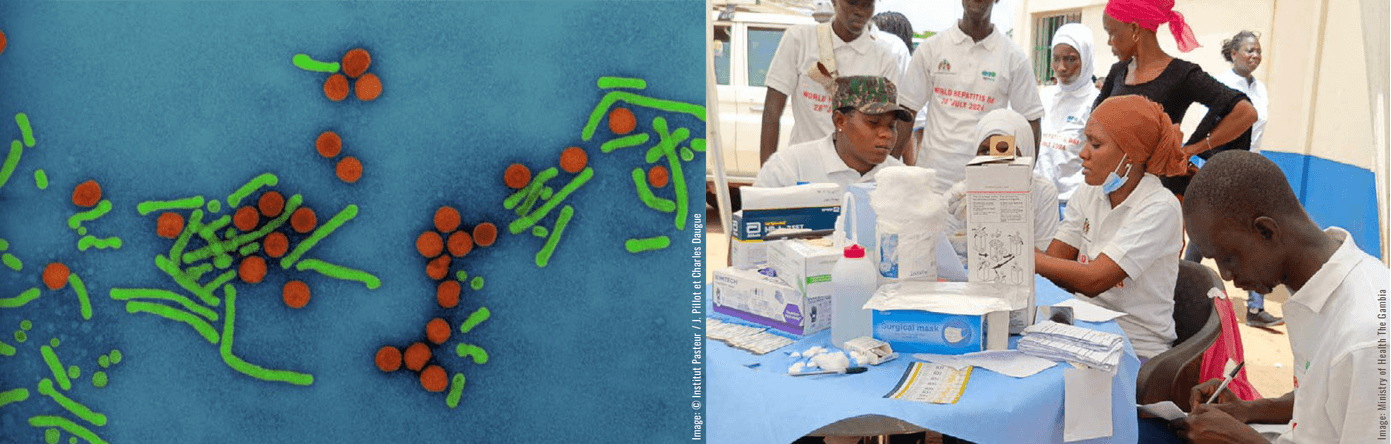
ABSTRACT
Background: Hepatitis B
infection is a significant global
health threat that contributes to
the loss of healthcare workers
(HCWs) and puts the health
workforce at considerable risk.
Aim: This study aimed to
create and integrate Hepatitis
B virus serology testing and
vaccination into an occupational
health and safety program for health workers in The Gambia.
Objective: To determine
the prevalence of Hepatitis B
among a subset of high-risk
healthcare workers in Edward
Francis Small Teaching Hospital
(EFSTH).
Methods: This pilot study
was a cross-sectional study
conducted at the EFSTH from
the 12th-16th of June 2023.
Participants were interviewed, demographic and basic knowledge
on Hepatitis B data was
collected and laboratory investigations
on hepatitis B surface
antigen and hepatitis B antibody
testing were conducted before
vaccination.
Findings: The pilot study enrolled
70 health workers. They
were mostly female 44 (62.9%)
and Gambians 67(95.7%). The
majority of the participants 42 (60%) reported to have taken
at least 1 dose of the hepatitis
B vaccine in the past. The
overall prevalence of hepatitis B
in this study was 3(4.3%). The
prevalence in the likely unvaccinated
cohort was 3(7.1%).
There were no positive antigen
results amongst the likely
vaccinated cohort. Hepatitis B
antibody testing was negative in
42 (60%) of participants.
Conclusions: This pilot study
confirms the high prevalence
of Hepatitis B among the likely
unvaccinated healthcare workers
at the EFSTH. The majority
of the healthcare workers also
tested negative for Hepatitis B
antibody. This justifies the need
for a well-planned and clear
HBV screening and vaccination
policy among healthcare workers
throughout The Gambia, especially
those at the highest risk
of exposure to blood or other
potentially infectious material.
INTRODUCTION
The Gambia has worked to
bolster its health workforce
to achieve the UN Sustainable
Development Goal (SDG)
targets. The Gambian Ministry
of Health (MoH), with support
from the University of
Maryland, Baltimore’s (UMB)
WHO Collaborating Center
for Occupational Health has
developed a National Policy
on Occupational Health and
Safety for HCWs. Beginning in
2014, the UMB team has worked
to explore collaborative opportunities
to establish and
cultivate vital relationships in
the Ministry of Health (MoH)
and at the University of The
Gambia School of Medicine
and Allied Health Sciences.
In 2016, UMB provided basic
occupational health and safety
training for the health sector
in a three-day event with the
MoH through the Directorate
of Public Health Services and
Edward Francis Small Teaching
Hospital for more than 30
attendees. As a follow-up in
2018, MoH identified the prevention
of blood-borne hazards,
airborne exposures, and
the management of medical
waste handling as their priorities
and worked collaboratively
to develop the National Policy
with these three focus areas.
This policy, which was validated in 2020, drew on
the collective input of multiple
stakeholders including
Ministry of Health staff from
the Occupational Health and
Safety, Environmental Health,
Water, Sanitation, and Hygiene
(WASH) Unit, the National
Public Health Laboratory, and
other National Health Program
representatives as well
as Regional Health Directors,
Hospital CEOs, the Department
of Labor, the Public Health
representative of the Armed
Forces and the University of
The Gambia representatives.
In June 2022, the Ministry
of Health team and University
of Maryland team conducted a
multi-day consultation health
staff and stakeholders where
they reviewed the WHO’s new
draft implementation guide for
HCW vaccination. Using this
document as a guide, the team
developed standard operating
procedures (SOPs) which
included planning and preparation
steps such as obtaining
an Ethics Board review for the
protocol, and development of
needed additional documents
for participant information and
communication, questionnaires,
consent and clear pathways for
participant clinical follow-up.
In addition, the team drafted
a flow diagram for the operational
methodology for the HCW
serology testing and Hepatitis B
Vaccination pilot.
BACKGROUND
Hepatitis B infection is a
significant global health threat
that contributes to the loss of
healthcare workers (HCWs) and
puts the health workforce at
considerable risk (Akibu, et. al.
2018). According to the World
Health Organization (WHO),
viral hepatitis is responsible
for approximately 1.34 million
deaths annually (World
Health Orga nization. 2017). HCWs
have a four-fold increased risk
relative to the general population
for exposure to HBV from
infected patients (Wijayadi, et.
al. 2018) and as such, represent
an important group in the
population that needs protection
from HBV. The number
of HBV-positive individuals
globally is the highest in the
African region, accounting
for 68% of the global burden
(Madihi, et. al. 2020). As a result
of this significant public health
challenge, the WHO Assembly
adopted the first Global health
sector strategy on viral hepatitis
in 2016 to protect the global
health workforce (Bhadoria, et.
al. 2022).
In Africa, HBV is estimated to
affect 15-20% of the population
(Mendy, et. al. 2010). In a
low-middle income country
(LMIC) like The Gambia, HBV
prevalence varies ranging from
13% among blood donors (Armitag
e, et. al. 2019), 9% among
pregnant women (Mellins, et. al. 2008), and between 8 and 17%
among HIV-infected individuals
(Suy, et. al. 2006). Although
the prevalence of HBV varies in
The Gambian population and
is relatively high, HCWs are
not systematically vaccinated
against HBV due to a history of
infant vaccine campaigns in
the last thirty years and several
cultural, political, and socioeconomic
factors.
The loss of HCWs during
both the Ebola crisis in West
Africa and the COVID-19 pandemic
has demonstrated how
indispensable HCWs are to a
functioning and resilient health
system (Gebremeskel, et. al. 2021). HCW protection must therefore
become more strongly prioritized
in countries where health
systems are already fragile
(Kuhlmann, et. al. 2021).
HISTORY OF CHILDHOOD
VACCINES IN THE GAMBIA
Maintaining high immunization
coverage is a key component
in reducing morbidity
and mortality from vaccinepreventable
diseases. In 1974,
the WHO launched the Expanded
Program on Immunization
(EPI) to make vaccines available
to all children (Uwizihiwe,
et. al. 2015). Five years later,
the EPI was established in The Gambia to target childhood
diseases, including hepatitis B.
From 1986-1990, The Gambia
launched the nationwide
Gambia Hepatitis Intervention
Study (GHIS) which targeted
infant HBV vaccination as part
of the EPI (Shimakawa , et. al. 2014).
The objective of the GHIS study
was to evaluate the protective
effectiveness of infant HBV
vaccination on the incidence of
hepatocellular carcinoma (HCC)
in adulthood (Kao, J. H. 2015).
While infant vaccination was
included in the GHIS, coverage
may have been variable. In addition,
the 3-dose series means
that a sizable number of eligible children may not be fully immunized
(Hill, et. al. 2015). Final
results from the study were
estimated to take 30 to 35 years
and complete elimination of
infection was expected to take
20-30 years (Tekle, et. al. 2016).
When the trial finished in 1990,
the national infant Hepatitis B
vaccination program replaced
GHIS. Given initial positive results
in LMICs globally, the WHO
recommended that all member
states include the Hepatitis B
vaccine in their national childhood
immunization services by
1997 (Akbar, et. al. 2021).
WANING IMMUNITY
While The Gambia has
worked to expand childhood
vaccination coverage, and studies have shown that
the full three-dose primary
hepatitis B vaccination series
provides long-term immunity,
it may not provide lifelong
protection as immunity has
been shown to wane over time
(Osiowy, C. 2018). A previous
study analyzing HBV immunity
fifteen years post-immunization
concluded that one or
more boosters are needed to
protect individuals from breakthrough
infections (Leuridan,
et. al. 2011). Another study
looked at serologic hepatitis B
immunity in HCWs and found
that 29% of workers who were
vaccinated against hepatitis
B showed no serologic evidence
of hepatitis B immunity
(Mahamat, et. al. 2021). The lack of response in a percentage of
HCWs means that many are still
at risk for infection.
BARRIERS TO THE
HEPATITIS B VACCINE
In addition to waning immunity,
the three-dose vaccine
schedule puts a strain
on families that experience
travel-related barriers during
infant vaccine campaigns
meaning that some children
may not be fully covered. Barriers
to vaccination in adult
HCWs include financial costs
of vaccine distribution, lack
of hospital policy, low-risk
perception, fear of side effects,
lack of time, insufficient
cold-chain storage, and lack
of trained community health workers (Mohanty, et. al. 2020).
Furthermore, a lack of awareness
of the vaccine’s effectiveness
contributes to inadequate
vaccine uptake (Thomson, et. al.
2016). The combination of each
of these barriers causes vaccination
coverage to plateau.
INTEREST IN HIGH-RISK
ADULTS
Although historically the WHO
has supported vaccine campaigns
for many vaccine-preventable
diseases (VPDs), their
focus has been almost exclusively
on the pediatric population
(Yu, et. al. 2018). Recently,
however, the WHO has begun
to expand its focus on the immunization
of vulnerable adult
populations. Because HCWs are
frequently exposed to infectious
patients, they are considered an
especially vulnerable adult population.
In 2022, the WHO released
an implementation guide
for the vaccination of HCWs
that outlined the latest recommendations
and programmatic
considerations for the vaccination
of HCWs (World Health Orga -
nization. 2022). Specific vaccination
recommendations include
Hepatitis B, as well as, influenza,
measles, mumps, rubella,
pertussis, and varicella. The
guide highlights the need to
integrate HCW vaccination into
existing occupational health and safety policies and suggests
that as part of a national
comprehensive viral hepatitis
response, countries may
consider establishing a hepatitis
B testing and vaccination approach
for health workers. This
report describes such an effort
to include Hepatitis B serology
testing and vaccination in the
occupational health program for
the health workforce in Gambia,
West Africa (Lemoine, et. al. 2016).
AIM
This study aimed to create
and integrate hepatitis B serology
testing and vaccination
into an occupational health
and safety program for health
workers in The Gambia.
OBJECTIVES
1. To determine the prevalence
of Hepatitis B antigen
among a subset of high-risk
healthcare workers in Edward
Francis Small Teaching Hospital
(EFSTH)
2. To determine the presence
of antibody protection of
health care workers (EFSTH)
against Hepatitis B
3. To determine the Hepatitis
B vaccination status or history
among healthcare workers in
Edward Francis Small Teaching
Hospital (EFSTH)
TO BE CONTINUED
 For years now, the early literacy
education community has been
talking about the need to reform our
practice to align to the science of
reading. But what is the science of
reading? And how can it improve our
practice so kids become better readers?
The science of reading is the converging
evidence of what matters and
what works in literacy instruction,
organized around models that describe
how and why. ...
In early literacy alone, tens of thousands
of studies have been published,
and some even show results that are
at odds with one another. For educators
to be able to consume research
meaningfully, we need to look for a
convergence of evidence. When many
well-designed studies point to a similar
result, we should pay attention. An important model in early reading
research is the simple view of reading.
It says that reading comprehension
(RC) is the product of decoding (D) and
language comprehension (LC), or
RC = D x LC
Learning to read for understanding
requires sounding out and recognizing
words —decoding— but it also requires
making meaning of the words and
sentences we hear —language comprehension.
...
Research is clear about what matters
to teach in early literacy instruction:
phonological awareness, phonics and
word recognition, fluency, vocabulary
and oral language comprehension, and
text comprehension. For each of these,
a convergence of evidence tells us what
works ...
Read full text:
For years now, the early literacy
education community has been
talking about the need to reform our
practice to align to the science of
reading. But what is the science of
reading? And how can it improve our
practice so kids become better readers?
The science of reading is the converging
evidence of what matters and
what works in literacy instruction,
organized around models that describe
how and why. ...
In early literacy alone, tens of thousands
of studies have been published,
and some even show results that are
at odds with one another. For educators
to be able to consume research
meaningfully, we need to look for a
convergence of evidence. When many
well-designed studies point to a similar
result, we should pay attention. An important model in early reading
research is the simple view of reading.
It says that reading comprehension
(RC) is the product of decoding (D) and
language comprehension (LC), or
RC = D x LC
Learning to read for understanding
requires sounding out and recognizing
words —decoding— but it also requires
making meaning of the words and
sentences we hear —language comprehension.
...
Research is clear about what matters
to teach in early literacy instruction:
phonological awareness, phonics and
word recognition, fluency, vocabulary
and oral language comprehension, and
text comprehension. For each of these,
a convergence of evidence tells us what
works ...
Read full text:
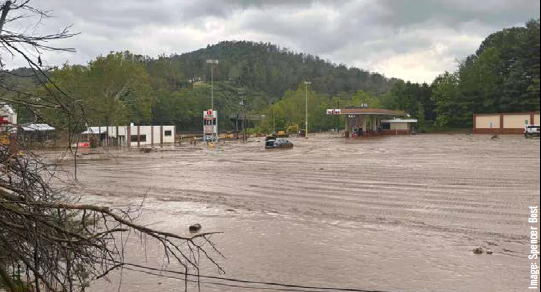 A tiny town in North Carolina that’s
just been devastated by hurricane
Helene could end up severely disrupting
the global supply chain for microchips
and solar panels.
Nestled in the Appalachian mountains,
the community of Spruce Pine,
population 2,194, is known for its hiking,
local artists and as America’s sole
source of high-purity quartz. Helene
dumped more than 2 feet of rain on
the town, destroying roads, shops and
cutting power and water. But its reach
will likely be felt far beyond the small
community.
Semiconductors are the brains of
every computer-chip-enabled device,
and solar panels are a key part of the
global push to combat climate change.
To make both semiconductors and solar
panels, companies need crucibles and other equipment that both can withstand
extraordinarily high heat and be
kept absolutely clean. One material fits
the bill: quartz. Pure quartz. Quartz
that comes, overwhelmingly, from
Spruce Pine.
“As far as we know, there’s only
a few places in the world that have
ultra-high-quality quartz,” according
to Ed Conway, author of Material World:
The Six Raw Materials That Shape Modern
Civilization. Russia and Brazil also
supply high-quality quartz, he says,
but “Spruce Pine has far and away the
[largest amount] and highest quality.”
Conway says without super-pure
quartz for the crucibles ... it would
be impossible to produce most
semiconductors. ...
Read full text:
A tiny town in North Carolina that’s
just been devastated by hurricane
Helene could end up severely disrupting
the global supply chain for microchips
and solar panels.
Nestled in the Appalachian mountains,
the community of Spruce Pine,
population 2,194, is known for its hiking,
local artists and as America’s sole
source of high-purity quartz. Helene
dumped more than 2 feet of rain on
the town, destroying roads, shops and
cutting power and water. But its reach
will likely be felt far beyond the small
community.
Semiconductors are the brains of
every computer-chip-enabled device,
and solar panels are a key part of the
global push to combat climate change.
To make both semiconductors and solar
panels, companies need crucibles and other equipment that both can withstand
extraordinarily high heat and be
kept absolutely clean. One material fits
the bill: quartz. Pure quartz. Quartz
that comes, overwhelmingly, from
Spruce Pine.
“As far as we know, there’s only
a few places in the world that have
ultra-high-quality quartz,” according
to Ed Conway, author of Material World:
The Six Raw Materials That Shape Modern
Civilization. Russia and Brazil also
supply high-quality quartz, he says,
but “Spruce Pine has far and away the
[largest amount] and highest quality.”
Conway says without super-pure
quartz for the crucibles ... it would
be impossible to produce most
semiconductors. ...
Read full text:
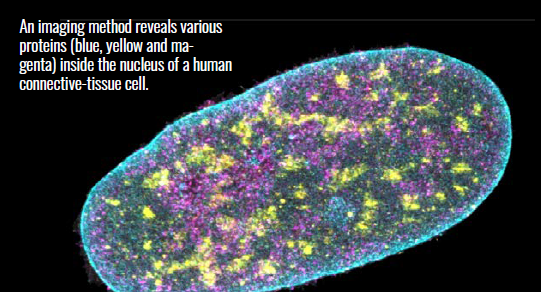 Researchers are queuing up to try a
powerful microscopy technique that
can simultaneously sequence an individual
cell’s DNA and pinpoint the location
of its proteins with high resolution —all
without having to crack the cell open
and extract its contents. Imaging DNA
and proteins inside intact cells provides
crucial information about how these
molecules work together.
The method’s developers have already
used it to study how ageing might alter
the way that proteins in the nucleus
interact with chromosomes. As the
body ages, they found, changes in these
nuclear proteins could suppress gene
activity. “This paper is really extraordinary,”
says Ankur Sharma, a cancer
biologist at the Garvan Institute of Medical Research in Sydney, Australia...
The method, called expansion in
situ genome sequencing, was described
in a preprint1 posted on bioRxiv
on 26 September. It has not yet been
peer reviewed. The approach could
be particularly useful to researchers
who are studying how DNA is wound
around proteins and stuffed into the
nuclei of cells —and how the location
of genes within that morass can
affect their activity. We can think of
DNA as “a linear string of information
that has to be squished and organized
inside a 5-micron-sized cell nucleus”,
says Jason Buenrostro, a geneticist at
Harvard University, and an author on
the preprint. ...
Researchers are queuing up to try a
powerful microscopy technique that
can simultaneously sequence an individual
cell’s DNA and pinpoint the location
of its proteins with high resolution —all
without having to crack the cell open
and extract its contents. Imaging DNA
and proteins inside intact cells provides
crucial information about how these
molecules work together.
The method’s developers have already
used it to study how ageing might alter
the way that proteins in the nucleus
interact with chromosomes. As the
body ages, they found, changes in these
nuclear proteins could suppress gene
activity. “This paper is really extraordinary,”
says Ankur Sharma, a cancer
biologist at the Garvan Institute of Medical Research in Sydney, Australia...
The method, called expansion in
situ genome sequencing, was described
in a preprint1 posted on bioRxiv
on 26 September. It has not yet been
peer reviewed. The approach could
be particularly useful to researchers
who are studying how DNA is wound
around proteins and stuffed into the
nuclei of cells —and how the location
of genes within that morass can
affect their activity. We can think of
DNA as “a linear string of information
that has to be squished and organized
inside a 5-micron-sized cell nucleus”,
says Jason Buenrostro, a geneticist at
Harvard University, and an author on
the preprint. ...
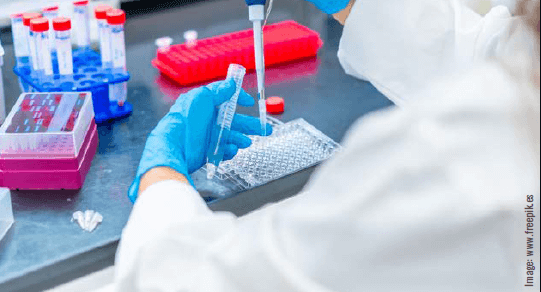 For the first time in history, a multidisciplinary
team of scientists
managed to reverse type 1 diabetes in
a 25-year-old patient, who received a
reprogrammed stem cell transplant and
less than three months later she started
producing her own insulin.
She is the first human with type 1
diabetes to be treated using cells that
were extracted from her own body. The
results of his case were published on
the specialized site Cell and the success
of the procedure is already considered a
milestone for modern medicine.
The paper, signed by 35 scientists
from various Chinese institutions,
explains that the analysis was carried
out over a period of one year and corresponds
to “a first phase I clinical trial
in humans that evaluates the viability of autologous transplantation of islets
derived from chemically induced pluripotent
stem cells (CiPSC islets) under
the anterior rectum abdominal sheath
for the treatment of type diabetes 1.”
This stem cell transplant represents
a major step forward in the treatment
of this disease, which along with type 2
diabetes, is considered a chronic condition
affecting more than 500 million
people worldwide. ...
For the specific case of the Chinese
patient, the paper details: “she
achieved sustained insulin independence
starting 75 days post-transplantation.
...
Read full text
For the first time in history, a multidisciplinary
team of scientists
managed to reverse type 1 diabetes in
a 25-year-old patient, who received a
reprogrammed stem cell transplant and
less than three months later she started
producing her own insulin.
She is the first human with type 1
diabetes to be treated using cells that
were extracted from her own body. The
results of his case were published on
the specialized site Cell and the success
of the procedure is already considered a
milestone for modern medicine.
The paper, signed by 35 scientists
from various Chinese institutions,
explains that the analysis was carried
out over a period of one year and corresponds
to “a first phase I clinical trial
in humans that evaluates the viability of autologous transplantation of islets
derived from chemically induced pluripotent
stem cells (CiPSC islets) under
the anterior rectum abdominal sheath
for the treatment of type diabetes 1.”
This stem cell transplant represents
a major step forward in the treatment
of this disease, which along with type 2
diabetes, is considered a chronic condition
affecting more than 500 million
people worldwide. ...
For the specific case of the Chinese
patient, the paper details: “she
achieved sustained insulin independence
starting 75 days post-transplantation.
...
Read full text
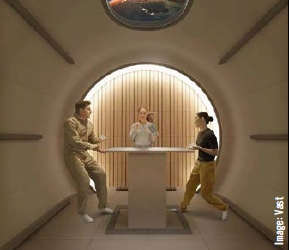 Aluminum for spacecraft interiors is
passé; what space-farers apparently
want is wood. That’s the bet from Vast,
the makers of Haven-1, the world’s
first commercial space station set to be
placed in low-Earth orbit by the SpaceX
Falcon rocket next year. First paying
customers will be getting on board in
2026, and judging by the final designs
just released of the station’s cozy interior,
they'll feel right at home.
Helping to add softness to an interior
previously more focused on function
than style, Vast has used fine-grained
maple wood—a contemporary favorite
of home interior designers, chosen for
its ability to add warmth and elegance
to any space, and now space space.
Haven-1 has also developed other
creature comforts, including a puffy
space duvet that should help to encourage
a good night’s rest —not something
easily achieved in space. ...
Read full text
Aluminum for spacecraft interiors is
passé; what space-farers apparently
want is wood. That’s the bet from Vast,
the makers of Haven-1, the world’s
first commercial space station set to be
placed in low-Earth orbit by the SpaceX
Falcon rocket next year. First paying
customers will be getting on board in
2026, and judging by the final designs
just released of the station’s cozy interior,
they'll feel right at home.
Helping to add softness to an interior
previously more focused on function
than style, Vast has used fine-grained
maple wood—a contemporary favorite
of home interior designers, chosen for
its ability to add warmth and elegance
to any space, and now space space.
Haven-1 has also developed other
creature comforts, including a puffy
space duvet that should help to encourage
a good night’s rest —not something
easily achieved in space. ...
Read full text
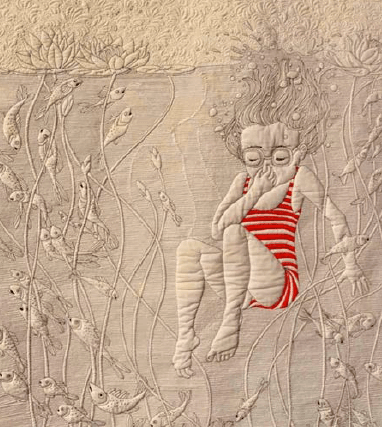 Cristina began quilting in
1999 after watching the
movie How to make an American
quilt (it was all about community).
Although her initial
background is in travel and
tourism, her true passion is
quilting, especially by machine.
When she arrived in London, in order
to improve her English, the first thing
she did was to visit the museums. She
used to frequent haberdashery shops,
which fueled her love for textile art.
In 2005 she bought her first longarm
and opened her quilting business. What inspires her? Children living
authentic childhoods. Her
signature quilts are pictorial
whole cloth quilts. Much
of her work is made for the
sole purpose of entering
contests, and she likes to
listen “incognito” to people experiencing
her quilts at exhibitions.
Traveling means a lot to her. When
she taught in California and needed to
then get to Houston, she took a train to
experience the country.
The pandemic opened a whole new
world for Cristina teaching on line.
“Although four years
ago I started making quilts
based on illustrations from
artists like Johanna Basford
and Sveta Dorosheva,
I am now moving to more
whimsical quilts which are
products of my imagination”
she said.
Visit: www.crisarcbono.com
Cristina began quilting in
1999 after watching the
movie How to make an American
quilt (it was all about community).
Although her initial
background is in travel and
tourism, her true passion is
quilting, especially by machine.
When she arrived in London, in order
to improve her English, the first thing
she did was to visit the museums. She
used to frequent haberdashery shops,
which fueled her love for textile art.
In 2005 she bought her first longarm
and opened her quilting business. What inspires her? Children living
authentic childhoods. Her
signature quilts are pictorial
whole cloth quilts. Much
of her work is made for the
sole purpose of entering
contests, and she likes to
listen “incognito” to people experiencing
her quilts at exhibitions.
Traveling means a lot to her. When
she taught in California and needed to
then get to Houston, she took a train to
experience the country.
The pandemic opened a whole new
world for Cristina teaching on line.
“Although four years
ago I started making quilts
based on illustrations from
artists like Johanna Basford
and Sveta Dorosheva,
I am now moving to more
whimsical quilts which are
products of my imagination”
she said.
Visit: www.crisarcbono.com
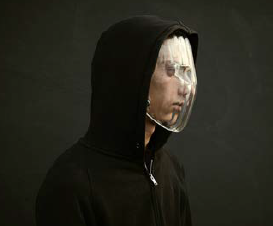 Cameras create a safer living environment.
Mega databanks stock
hundreds of exabytes a year. But who
has access to this data? Not only the
security department but also the advertisement
industry. They pay to use real
time data. They keep records of your
personal interests and they follow you
everywhere you go.
By wearing this mask it is possible to
become unrecognizable for facial recognition
software. Because of its transparency
you will not lose your facial
Read full text
Cameras create a safer living environment.
Mega databanks stock
hundreds of exabytes a year. But who
has access to this data? Not only the
security department but also the advertisement
industry. They pay to use real
time data. They keep records of your
personal interests and they follow you
everywhere you go.
By wearing this mask it is possible to
become unrecognizable for facial recognition
software. Because of its transparency
you will not lose your facial
Read full text
 In low-sunlight locations, exposure to
higher levels of ultraviolet (UV) radiation
—found in sunlight— was linked
to a drop in deaths due to cardiovascular
disease and cancer. Adapting public
health advice to reflect both the risks
and benefits of UV exposure may help to
reduce disease burden and improve life
expectancy in low-sunlight countries.
Experts caution that measures should
still be taken to protect the skin when
UV levels are high, to prevent sunburn
and the development of skin cancer.
University of Edinburgh scientists
used genetic and health information
from the UK BioBank to examine the
UV exposure of 395,000 people across
the UK. Participants were restricted to
those of white European descent, due to
the role skin pigmentation plays in the response to UV exposure. ...
Living in locations with lower UV
levels was associated with a lower risk
of death from cardiovascular disease
and cancer —19% and 12%, respectively.
Sunbed use was linked to a 23%
lower risk of death from cardiovascular
disease and a 14% lower risk of death
from cancer, compared to non-users. It
is possible that people who use sunbeds
may also seek out greater sun exposure
and so this result may reflect broader
sun seeking behaviour, the team says.
Those with a higher estimated UV
exposure had a slightly increased risk
of being diagnosed with melanoma
but their risk of dying from the condition
was not raised. ...
Read full text
In low-sunlight locations, exposure to
higher levels of ultraviolet (UV) radiation
—found in sunlight— was linked
to a drop in deaths due to cardiovascular
disease and cancer. Adapting public
health advice to reflect both the risks
and benefits of UV exposure may help to
reduce disease burden and improve life
expectancy in low-sunlight countries.
Experts caution that measures should
still be taken to protect the skin when
UV levels are high, to prevent sunburn
and the development of skin cancer.
University of Edinburgh scientists
used genetic and health information
from the UK BioBank to examine the
UV exposure of 395,000 people across
the UK. Participants were restricted to
those of white European descent, due to
the role skin pigmentation plays in the response to UV exposure. ...
Living in locations with lower UV
levels was associated with a lower risk
of death from cardiovascular disease
and cancer —19% and 12%, respectively.
Sunbed use was linked to a 23%
lower risk of death from cardiovascular
disease and a 14% lower risk of death
from cancer, compared to non-users. It
is possible that people who use sunbeds
may also seek out greater sun exposure
and so this result may reflect broader
sun seeking behaviour, the team says.
Those with a higher estimated UV
exposure had a slightly increased risk
of being diagnosed with melanoma
but their risk of dying from the condition
was not raised. ...
Read full text
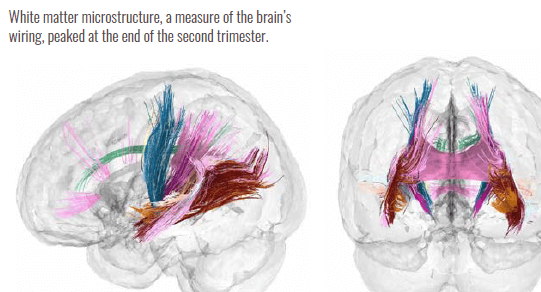 Profound changes that sweep across
the human brain during pregnancy
have been captured for the first time,
after researchers performed precision
scans on a woman carrying her child.
MRI scans taken every few weeks
from before conception until two years
after childbirth revealed widespread reorganisation
in the mother’s brain, with
some changes short-lived and others
lasting years.
The work paves the way for a far
deeper understanding of the mother’s
brain in pregnancy. Further scans are
now being gathered from other pregnant
women to learn about the risks of
postnatal depression, the link between
pre-eclampsia and dementia, and why
pregnancy can reduce migraines and
symptoms of multiple sclerosis. Scientists took 26 brain scans of
a healthy 38-year-old woman who
conceived via IVF, and concurrent blood
samples to monitor the dramatic surges
in hormones during pregnancy. The
data revealed how the brain changed,
week by week.
Most apparent was a steady decrease
in grey matter, the wrinkly outer surface
of the brain, throughout pregnancy
and a temporary peak in neural connectivity
at the end of the second trimester.
“The maternal brain undergoes this
choreographed change across gestation
and we’re finally able to observe the
process in real time,” said Prof Emily
Jacobs, a researcher on the study
at UC Santa Barbara. ...
Read full text:
Profound changes that sweep across
the human brain during pregnancy
have been captured for the first time,
after researchers performed precision
scans on a woman carrying her child.
MRI scans taken every few weeks
from before conception until two years
after childbirth revealed widespread reorganisation
in the mother’s brain, with
some changes short-lived and others
lasting years.
The work paves the way for a far
deeper understanding of the mother’s
brain in pregnancy. Further scans are
now being gathered from other pregnant
women to learn about the risks of
postnatal depression, the link between
pre-eclampsia and dementia, and why
pregnancy can reduce migraines and
symptoms of multiple sclerosis. Scientists took 26 brain scans of
a healthy 38-year-old woman who
conceived via IVF, and concurrent blood
samples to monitor the dramatic surges
in hormones during pregnancy. The
data revealed how the brain changed,
week by week.
Most apparent was a steady decrease
in grey matter, the wrinkly outer surface
of the brain, throughout pregnancy
and a temporary peak in neural connectivity
at the end of the second trimester.
“The maternal brain undergoes this
choreographed change across gestation
and we’re finally able to observe the
process in real time,” said Prof Emily
Jacobs, a researcher on the study
at UC Santa Barbara. ...
Read full text:
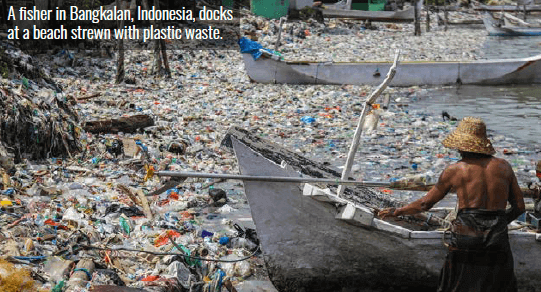 In June, more than 2,000 volunteers
participated in the 2024 Global Ocean
Cleanup campaign and netted nearly 40
tonnes of plastic debris from just some
80 kilometres of ocean and coasts across
the world, including sites from Vietnam
to California. Although representing one
week’s hard work for the volunteers,
such initiatives are a drop in the ocean of
plastic waste that is generated each year
—about 400 million tonnes, equivalent
to the weight of all adult humans currently
on Earth.
A plethora of projects and policies,
both national and international, aim to
tackle plastic pollution. ... Yet one aspect
is often overlooked: the communities of
microbes hosted by plastic debris, which
form the ‘plastisphere’. Initial studies
suggest that this human-made habitat
serves as a widespread, mobile reservoir
of various microbial hazards such as
pathogens —yet little else is known. ...
The plastisphere covers vast expanses
of water and land ... and is an ideal
place for colonization by microorganisms,
which tend to attach to a surface.
More than 80,000 diatoms were found in
one cm2 of the marine plastisphere. One
gram of marine plastic can harbour ten
times the microbial biomass of a cubic
metre of open ocean water. ... The plastisphere
hosts a variety of pathogens, including
viruses and antibiotic-resistant
bacteria that affect the health of plants,
animals and humans. ...
Read full text:
In June, more than 2,000 volunteers
participated in the 2024 Global Ocean
Cleanup campaign and netted nearly 40
tonnes of plastic debris from just some
80 kilometres of ocean and coasts across
the world, including sites from Vietnam
to California. Although representing one
week’s hard work for the volunteers,
such initiatives are a drop in the ocean of
plastic waste that is generated each year
—about 400 million tonnes, equivalent
to the weight of all adult humans currently
on Earth.
A plethora of projects and policies,
both national and international, aim to
tackle plastic pollution. ... Yet one aspect
is often overlooked: the communities of
microbes hosted by plastic debris, which
form the ‘plastisphere’. Initial studies
suggest that this human-made habitat
serves as a widespread, mobile reservoir
of various microbial hazards such as
pathogens —yet little else is known. ...
The plastisphere covers vast expanses
of water and land ... and is an ideal
place for colonization by microorganisms,
which tend to attach to a surface.
More than 80,000 diatoms were found in
one cm2 of the marine plastisphere. One
gram of marine plastic can harbour ten
times the microbial biomass of a cubic
metre of open ocean water. ... The plastisphere
hosts a variety of pathogens, including
viruses and antibiotic-resistant
bacteria that affect the health of plants,
animals and humans. ...
Read full text:
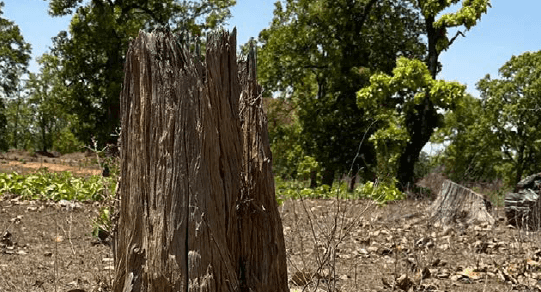 In 2023, 6.37 million hectares of forest
were destroyed, almost equivalent to
the size of Latvia, according to a report
by the organization Forest Declaration Assessment
published on Tuesday [Oct. 8].
To stay on track for eliminating deforestation
by 2030, this figure should
not excede 4.4 million hectares
(almost 11 million aces), a target that
has been widely surpassed.
The main causes of this massive destruction
of trees were agriculture, road
construction, fires, and commercial
logging, according to the report.
“Globally, deforestation has gotten
worse, not better, since the beginning
of the decade,” Ivan Palmegiani, lead
author of the Forest Declaration Assessment
report, said. “We’re only six years
away from a critical global deadline to end deforestation, and forests continue
to be chopped down, degraded, and set
ablaze at alarming rates,” he said.
According to the report, one of the
key ways to meet global forest targets
is to reduce deforestation in the tropics.
However, nearly 96% of all deforestation
in 2023 occurred in tropical
countries like Brazil, Indonesia, Bolivia,
and the Democratic Republic of the
Congo. Tropical Oceania was the
only tropical region to meet the
2023 target.
Brazil, although still the country with
the highest deforestation rate globally,
has significantly improved its situation
since Luiz Inácio Lula da Silva became
president. ...
Read full text:
In 2023, 6.37 million hectares of forest
were destroyed, almost equivalent to
the size of Latvia, according to a report
by the organization Forest Declaration Assessment
published on Tuesday [Oct. 8].
To stay on track for eliminating deforestation
by 2030, this figure should
not excede 4.4 million hectares
(almost 11 million aces), a target that
has been widely surpassed.
The main causes of this massive destruction
of trees were agriculture, road
construction, fires, and commercial
logging, according to the report.
“Globally, deforestation has gotten
worse, not better, since the beginning
of the decade,” Ivan Palmegiani, lead
author of the Forest Declaration Assessment
report, said. “We’re only six years
away from a critical global deadline to end deforestation, and forests continue
to be chopped down, degraded, and set
ablaze at alarming rates,” he said.
According to the report, one of the
key ways to meet global forest targets
is to reduce deforestation in the tropics.
However, nearly 96% of all deforestation
in 2023 occurred in tropical
countries like Brazil, Indonesia, Bolivia,
and the Democratic Republic of the
Congo. Tropical Oceania was the
only tropical region to meet the
2023 target.
Brazil, although still the country with
the highest deforestation rate globally,
has significantly improved its situation
since Luiz Inácio Lula da Silva became
president. ...
Read full text:
 t is the trial that has shaken France
to its core, and shocked the world.
Dominique Pelicot, a retired estate
agent, is accused of drugging his wife
Gisèle and recruiting other men online
over nine years to sexually assault her at
their home. Pelicot has admitted rape.
Fifty other men are on trial for alleged
rape alongside him.
But it is Gisèle Pelicot, the victim,
who has for many people become the
focus of this horrifying story. Thousands
have turned out in towns and
cities across France to demonstrate in
solidarity with her and against “rape
culture” in France. ...
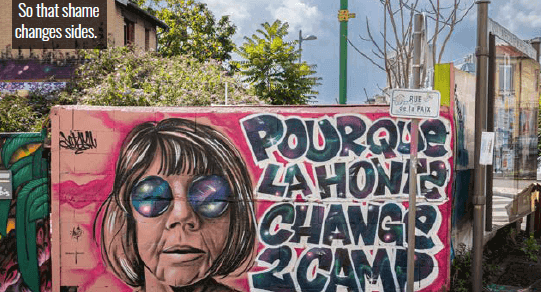
Gisèle Pelicot has chosen to refuse
the anonymity usually granted in rape
cases, and attends the trial sessions in
Avignon, in order —she says— to shift
the shame and humiliation often faced
by victims of sexual violence on to the
alleged perpetrators. ...
“Some of the [ordinary] men on trial
with Pelicot accept that what they did
was rape and have apologised in court.
But many argue that they didn’t intend
to commit rape, saying they thought
Gisèle was pretending to be asleep and
that they were pressured into it,” Angelique
Chrisafis, the Guardian’s France
correspondent said. “The courtroom
testimony has highlighted how society
in general has not yet got a clear understanding
of consent...”
Could Gisèle Pelicot’s conduct and
the extensive media coverage of the
case mark a turning point for attitudes
in France, and perhaps elsewhere? ...
t is the trial that has shaken France
to its core, and shocked the world.
Dominique Pelicot, a retired estate
agent, is accused of drugging his wife
Gisèle and recruiting other men online
over nine years to sexually assault her at
their home. Pelicot has admitted rape.
Fifty other men are on trial for alleged
rape alongside him.
But it is Gisèle Pelicot, the victim,
who has for many people become the
focus of this horrifying story. Thousands
have turned out in towns and
cities across France to demonstrate in
solidarity with her and against “rape
culture” in France. ...
Gisèle Pelicot has chosen to refuse
the anonymity usually granted in rape
cases, and attends the trial sessions in
Avignon, in order —she says— to shift
the shame and humiliation often faced
by victims of sexual violence on to the
alleged perpetrators. ...
“Some of the [ordinary] men on trial
with Pelicot accept that what they did
was rape and have apologised in court.
But many argue that they didn’t intend
to commit rape, saying they thought
Gisèle was pretending to be asleep and
that they were pressured into it,” Angelique
Chrisafis, the Guardian’s France
correspondent said. “The courtroom
testimony has highlighted how society
in general has not yet got a clear understanding
of consent...”
Could Gisèle Pelicot’s conduct and
the extensive media coverage of the
case mark a turning point for attitudes
in France, and perhaps elsewhere? ...
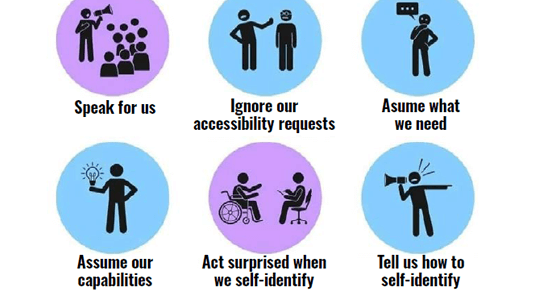 17 percent of the world’s population
identify as Disabled. Despite this,
society is failing to unlearn our inherent
ableism. Unlearning Ableism wants to
end this cycle of oppression and create
an inclusive society that is accessible,
empowers, represents and provides opportunity
and participation for everyone.
17 percent of the world’s population
identify as Disabled. Despite this,
society is failing to unlearn our inherent
ableism. Unlearning Ableism wants to
end this cycle of oppression and create
an inclusive society that is accessible,
empowers, represents and provides opportunity
and participation for everyone.
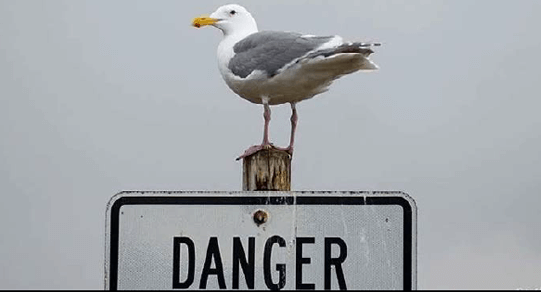 A lot has been written about the
possibility of humans contracting
diseases from animals as we push into
wild places. But what about the ways in
which humans are infecting animals,
and the possibility that will boomerang
back to us? Bird poop suggests that
could pose a problem as well. The gut
microbes of wild birds that frequent
urban areas, bear signs of antibiotic
resistance that could pose a problem for
people and the animals we depend on,
according to a paper recently published
in Current Biology.
“Wild bird populations in cities are
reservoirs of bacteria resistant to many
important human antibiotics,” said
Samuel Sheppard, an Oxford University
scientist who led the research. “There
is an urgent need to understand how human activity is influencing the
spread of zoonotic diseases and AMR
(antimicrobial resistance).”
To look for an anthropic signature
in the microbes inhabiting wild birds,
Sheppard and his collaborators zeroed
in on Campylobacter jejuni, a bacteria
commonly found in birds’ digestive
systems. In people, this it can cause
diarrhea, and is often tied to eating raw
or undercooked poultry.
A wild bird species will have its own
genetically distinct strain of Campylobacter.
But when the scientist sifted
through the genomes of 700 types of the
bacteria from 30 bird species over eight
countries, they discovered some types of
birds had ...
A lot has been written about the
possibility of humans contracting
diseases from animals as we push into
wild places. But what about the ways in
which humans are infecting animals,
and the possibility that will boomerang
back to us? Bird poop suggests that
could pose a problem as well. The gut
microbes of wild birds that frequent
urban areas, bear signs of antibiotic
resistance that could pose a problem for
people and the animals we depend on,
according to a paper recently published
in Current Biology.
“Wild bird populations in cities are
reservoirs of bacteria resistant to many
important human antibiotics,” said
Samuel Sheppard, an Oxford University
scientist who led the research. “There
is an urgent need to understand how human activity is influencing the
spread of zoonotic diseases and AMR
(antimicrobial resistance).”
To look for an anthropic signature
in the microbes inhabiting wild birds,
Sheppard and his collaborators zeroed
in on Campylobacter jejuni, a bacteria
commonly found in birds’ digestive
systems. In people, this it can cause
diarrhea, and is often tied to eating raw
or undercooked poultry.
A wild bird species will have its own
genetically distinct strain of Campylobacter.
But when the scientist sifted
through the genomes of 700 types of the
bacteria from 30 bird species over eight
countries, they discovered some types of
birds had ...
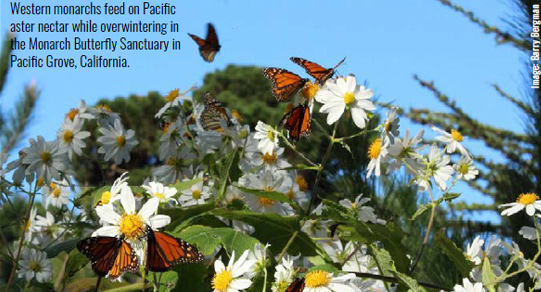 About a week ago, several monarch
caterpillars were busily munching
on the native narrowleaf milkweed I’d
planted in my backyard in the San Francisco
Bay Area. Then, a record-breaking
fall heat wave triggered warnings about
extremely dangerous temperatures
across the region.
Hopefully, most of the caterpillars
crawled off to find a safe place away
from predators to form the pupa, or
chrysalis, that envelops them as their
wings and adult organs take shape.
But at least one fellow wasn’t so lucky.
Most likely, he succumbed to a fatal
viral or parasitic infection known as
black death.
Ecologists have long worried about
the effects of a rapidly changing climate
on specialists like monarchs, whose reproductive success depends on
closely linked interactions with a single
family of plants.
Monarch caterpillars feed almost
exclusively on milkweed plants within
the genus Asclepias, which contain toxic
chemicals called cardenolides. The caterpillars
absorb the toxins, which deter
predators that might otherwise eat
them, but typically don’t harm the larvae
—that is unless high temperatures
cause plants to produce much higher
levels of the chemical, as researchers
reported in 2018.
Monarchs (and other butterflies)
are highly sensitive to temperature,
the environmental cue that tells them
when to reproduce ...
About a week ago, several monarch
caterpillars were busily munching
on the native narrowleaf milkweed I’d
planted in my backyard in the San Francisco
Bay Area. Then, a record-breaking
fall heat wave triggered warnings about
extremely dangerous temperatures
across the region.
Hopefully, most of the caterpillars
crawled off to find a safe place away
from predators to form the pupa, or
chrysalis, that envelops them as their
wings and adult organs take shape.
But at least one fellow wasn’t so lucky.
Most likely, he succumbed to a fatal
viral or parasitic infection known as
black death.
Ecologists have long worried about
the effects of a rapidly changing climate
on specialists like monarchs, whose reproductive success depends on
closely linked interactions with a single
family of plants.
Monarch caterpillars feed almost
exclusively on milkweed plants within
the genus Asclepias, which contain toxic
chemicals called cardenolides. The caterpillars
absorb the toxins, which deter
predators that might otherwise eat
them, but typically don’t harm the larvae
—that is unless high temperatures
cause plants to produce much higher
levels of the chemical, as researchers
reported in 2018.
Monarchs (and other butterflies)
are highly sensitive to temperature,
the environmental cue that tells them
when to reproduce ...
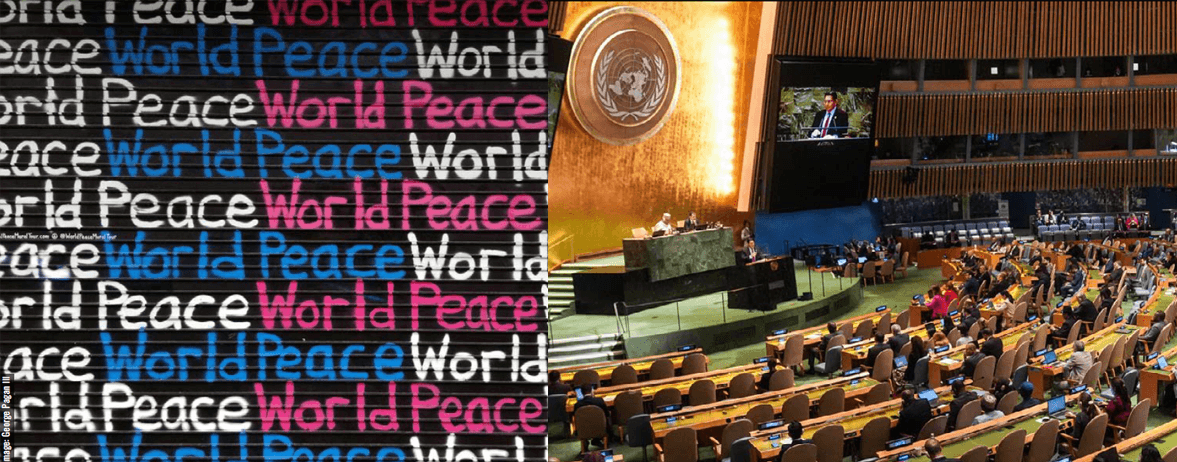
 Trousers
with and adjustable front wrap designed
especially to allow for bloating
and colostomy bags. Made from a twill
fabric that has a slight stretch and a
slim fit (95% cotton, 5% elastane).
unhiddenclothing.com
Trousers
with and adjustable front wrap designed
especially to allow for bloating
and colostomy bags. Made from a twill
fabric that has a slight stretch and a
slim fit (95% cotton, 5% elastane).
unhiddenclothing.com
 Create fun and delicious
meals inspired by My Neighbor
Totoro, Kiki’s Delivery Service, Howl’s
Moving Castle, Spirited Away, and more,
celebrating the imaginative worlds of
Studio Ghibli! www.amazon.com
Create fun and delicious
meals inspired by My Neighbor
Totoro, Kiki’s Delivery Service, Howl’s
Moving Castle, Spirited Away, and more,
celebrating the imaginative worlds of
Studio Ghibli! www.amazon.com
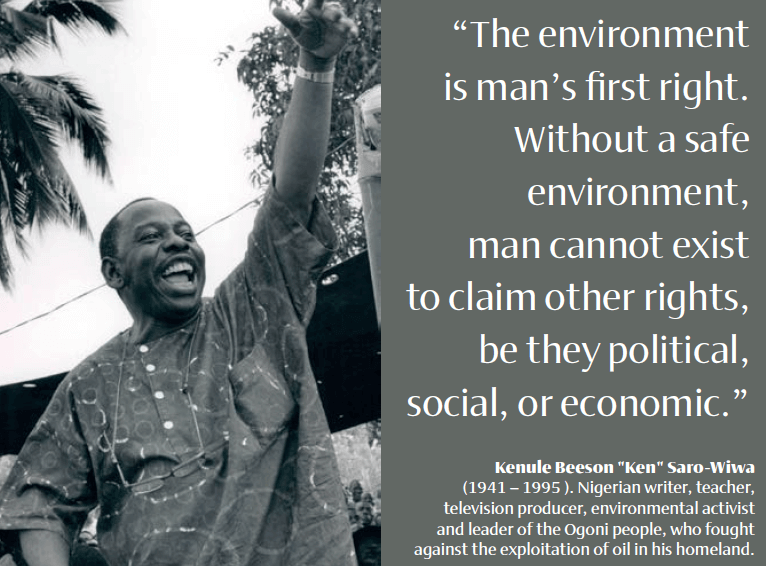


 The Bachelor of Modern Power
and Energy Systems program is
offered online via distance learning.
After evaluating both academic record
and life experience, AIU staff working
in conjunction with Faculty and
Academic Advisors will assist students
in setting up a custom-made program,
designed on an individual basis. This
flexibility to meet student needs is
seldom found in other distance learning
programs. Our online program
does not require all students to take
the same subjects/courses, use the
same books, or learning materials.
Instead, the online Bachelor of Modern
Power and Energy Systems curriculum
is designed individually by the
student and academic advisor.
It specifically addresses strengths
and weaknesses with respect to
market opportunities in the student’s
major and intended field of work.
Understanding that industry and geographic
factors should influence the
content of the curriculum instead of
a standardized one-fits-all design is
the hallmark of AIU’s unique approach
to adult education. This philosophy
addresses the dynamic and constantly
changing environment of working
professionals by helping adult
students in reaching their professional
and personal goals within the scope of
the degree program.
The Bachelor of Modern Power
and Energy Systems program is
offered online via distance learning.
After evaluating both academic record
and life experience, AIU staff working
in conjunction with Faculty and
Academic Advisors will assist students
in setting up a custom-made program,
designed on an individual basis. This
flexibility to meet student needs is
seldom found in other distance learning
programs. Our online program
does not require all students to take
the same subjects/courses, use the
same books, or learning materials.
Instead, the online Bachelor of Modern
Power and Energy Systems curriculum
is designed individually by the
student and academic advisor.
It specifically addresses strengths
and weaknesses with respect to
market opportunities in the student’s
major and intended field of work.
Understanding that industry and geographic
factors should influence the
content of the curriculum instead of
a standardized one-fits-all design is
the hallmark of AIU’s unique approach
to adult education. This philosophy
addresses the dynamic and constantly
changing environment of working
professionals by helping adult
students in reaching their professional
and personal goals within the scope of
the degree program.
 Atlantic International University is accredited by the Accreditation Service for International
Schools, Colleges and Universities (ASIC). ASIC Accreditation is an internationally
renowned quality standard for colleges and universities. Visit ASIC’s Directory of Accredited
Colleges and Universities. ASIC is a member of CHEA International Quality Group
(CIQG) in the USA, an approved accreditation body by the Ministerial Department of the Home Office
in the UK, and is listed in the International Directory of the Council for Higher Education Accreditation
(CHEA). The University is based in the United States and was established by corporate charter in 1998.
Atlantic International University is accredited by the Accreditation Service for International
Schools, Colleges and Universities (ASIC). ASIC Accreditation is an internationally
renowned quality standard for colleges and universities. Visit ASIC’s Directory of Accredited
Colleges and Universities. ASIC is a member of CHEA International Quality Group
(CIQG) in the USA, an approved accreditation body by the Ministerial Department of the Home Office
in the UK, and is listed in the International Directory of the Council for Higher Education Accreditation
(CHEA). The University is based in the United States and was established by corporate charter in 1998.
 In some cases, accredited colleges
may not accept for transfer courses and degrees
completed at unaccredited colleges, and some
employers may require an accredited degree as
a basis for eligibility for employment. Potential
students should consider how the above may affect
their interests, AIU respects the unique rules and
regulations of each country and does not seek to
influence the respective authorities. In the event
that a prospective student wishes to carry out any
government review or process in regards to his
university degree, we recommend that the requirements
of such are explored in detail with the relevant
authorities by the prospective student as the
university does not intervene in such processes.
AIU students can be found in over 180 countries,
they actively participate and volunteer
in their communities as part of their academic
program and have allocated thousands of service
hours to diverse causes and initiatives. AIU
programs follow the standards commonly used by
colleges and universities in the United States with
regards to the following: academic program
structure, degree issued, transcript, and
other graduation documents.
AIU graduation documents can include
an apostille and authentication from the
US Department of State to facilitate their
use internationally.
In some cases, accredited colleges
may not accept for transfer courses and degrees
completed at unaccredited colleges, and some
employers may require an accredited degree as
a basis for eligibility for employment. Potential
students should consider how the above may affect
their interests, AIU respects the unique rules and
regulations of each country and does not seek to
influence the respective authorities. In the event
that a prospective student wishes to carry out any
government review or process in regards to his
university degree, we recommend that the requirements
of such are explored in detail with the relevant
authorities by the prospective student as the
university does not intervene in such processes.
AIU students can be found in over 180 countries,
they actively participate and volunteer
in their communities as part of their academic
program and have allocated thousands of service
hours to diverse causes and initiatives. AIU
programs follow the standards commonly used by
colleges and universities in the United States with
regards to the following: academic program
structure, degree issued, transcript, and
other graduation documents.
AIU graduation documents can include
an apostille and authentication from the
US Department of State to facilitate their
use internationally.
| Dr. Franklin Valcin Presi den t/Academic Dean |
Dr. José Mercado Chief Executive Officer Chairman of the Board of Trustees |
Ricardo González, PhD Provost |
| Dr. Ricardo Gonzalez Chief Operation Officer and MKT Director |
Linda Collazo Logistics Coordinator |
AIU Tutors Coordinators: Deborah Rodriguez Amiakhor Ejaeta Amanda Gutierrez William Mora Miriam James Admissions Coordinators: Amalia Aldrett Sandra Garcia Junko Shimizu Veronica Amuz Alba Ochoa Jenis Garcia Judith Brown Chris Soto René Cordón Dr. Anderas Rissler Academic Coordinators: Dr. Adesida Oluwafemi Dr. Emmanuel Gbagu Dr. Lucia Gorea Dr. Edgar Colon Dr. Mario Rios Freddy Frejus Dr. Nilani Ljunggren De Silva Dr. Scott Wilson Dr. Mohammad Shaidul Islam |
| Dr. Miriam Garibaldi Vice provost for Research |
Carolina Valdes Human Resource Coordinator |
|
| Dr. Ofelia Miller Director of AIU |
Carlos Aponte Teleco mmunications Coordinator |
|
| Clara Margalef Director of Special Projects of AIU |
David Jung Corporate/Legal Counsel |
|
| Juan Pablo Moreno Director of Operations |
Bruce Kim Advisor/Consultant |
|
| Paula Viera Director of Intelligence Systems |
Thomas Kim Corporate/ Accounting Counsel |
|
| Felipe Gomez Design Director / IT Supervisor |
Maricela Esparza Administrative Coordinator |
|
| Kevin Moll Web Designer |
Chris Benjamin IT and Hosting Support |
|
| Daritza Ysla IT Coordinator |
Maria Pastrana Accounting Coordinator |
|
| Daritza Ysla IT Coordinator |
Roberto Aldrett Communications Coordinator |
|
| Nadeem Awan Chief Programming Officer |
Giovanni Castillo IT Support |
|
| Dr. Edward Lambert Academic Director |
Antonella Fonseca Quality Control & Data Analysis |
|
| Dr. Ariadna Romero Advisor Coordinator |
Adrián Varela Graphic Design |
|
| Jhanzaib Awan Senior Programmer |
Vanesa D’Angelo Content Writer |
|
| Leonardo Salas Human Resource Manager |
Jaime Rotlewicz Dean of Admissions |
|
| Benjamin Joseph IT and Technology Support |
Michael Phillips Registrar’s Office |
|
| Rosie Perez Finance Coordinator |
||
 The School of Business and Economics
allows aspiring and practicing
professionals, managers, and entrepreneurs
in the private and public sectors
to complete a self paced distance
learning degree program of the highest
academic standard.
The ultimate goal is to empower
learners and help them take advantage
of the enormous array of resources
from the world environment in order
to eliminate the current continuum of
poverty and limitations.
Degree programs are designed for
those students whose professional experience has been in business,
marketing, administration, economics,
finance and management.
The School of Business and Economics
allows aspiring and practicing
professionals, managers, and entrepreneurs
in the private and public sectors
to complete a self paced distance
learning degree program of the highest
academic standard.
The ultimate goal is to empower
learners and help them take advantage
of the enormous array of resources
from the world environment in order
to eliminate the current continuum of
poverty and limitations.
Degree programs are designed for
those students whose professional experience has been in business,
marketing, administration, economics,
finance and management.
 The School of Social and Human Studies
is focused on to the development of
studies which instill a core commitment
to building a society based on social and
economic justice and enhancing opportunities
for human well being.
The founding principles lie on the
basic right of education as outlined
in the Declaration of Human Rights.
We instill in our students a sense of
confidence and self reliance in their
ability to access the vast opportunities
available through information channels,
the world wide web, private, public,
nonprofit, and nongovernmental organizations in an ever expanding
global community.
Degree programs are aimed towards
those whose professional life has been
related to social and human behavior,
with the arts, or with cultural studies.
The School of Social and Human Studies
is focused on to the development of
studies which instill a core commitment
to building a society based on social and
economic justice and enhancing opportunities
for human well being.
The founding principles lie on the
basic right of education as outlined
in the Declaration of Human Rights.
We instill in our students a sense of
confidence and self reliance in their
ability to access the vast opportunities
available through information channels,
the world wide web, private, public,
nonprofit, and nongovernmental organizations in an ever expanding
global community.
Degree programs are aimed towards
those whose professional life has been
related to social and human behavior,
with the arts, or with cultural studies.
 The School of Science and Engineering
seeks to provide dynamic, integrated,
and challenging degree programs
designed for those whose experience
is in industrial research, scientific production,
engineering and the general
sciences. Our system for research and
education will keep us apace with the
twenty-first century reach scientific
advance in an environmentally and
ecologically responsible manner to allow
for the sustainability of the human
population. We will foster among our
students a demand for ethical behavior,
an appreciation for diversity, an understanding
of scientific investigation, knowledge of design innovation, a
critical appreciation for the importance
of technology and technological change
for the advancement of humanity.
The School of Science and Engineering
seeks to provide dynamic, integrated,
and challenging degree programs
designed for those whose experience
is in industrial research, scientific production,
engineering and the general
sciences. Our system for research and
education will keep us apace with the
twenty-first century reach scientific
advance in an environmentally and
ecologically responsible manner to allow
for the sustainability of the human
population. We will foster among our
students a demand for ethical behavior,
an appreciation for diversity, an understanding
of scientific investigation, knowledge of design innovation, a
critical appreciation for the importance
of technology and technological change
for the advancement of humanity.
 With access to a global catalog created and maintained collectively by more than
9,000 participating institutions, AIU students have secured excellent research
tools for their study programs.
With access to a global catalog created and maintained collectively by more than
9,000 participating institutions, AIU students have secured excellent research
tools for their study programs.