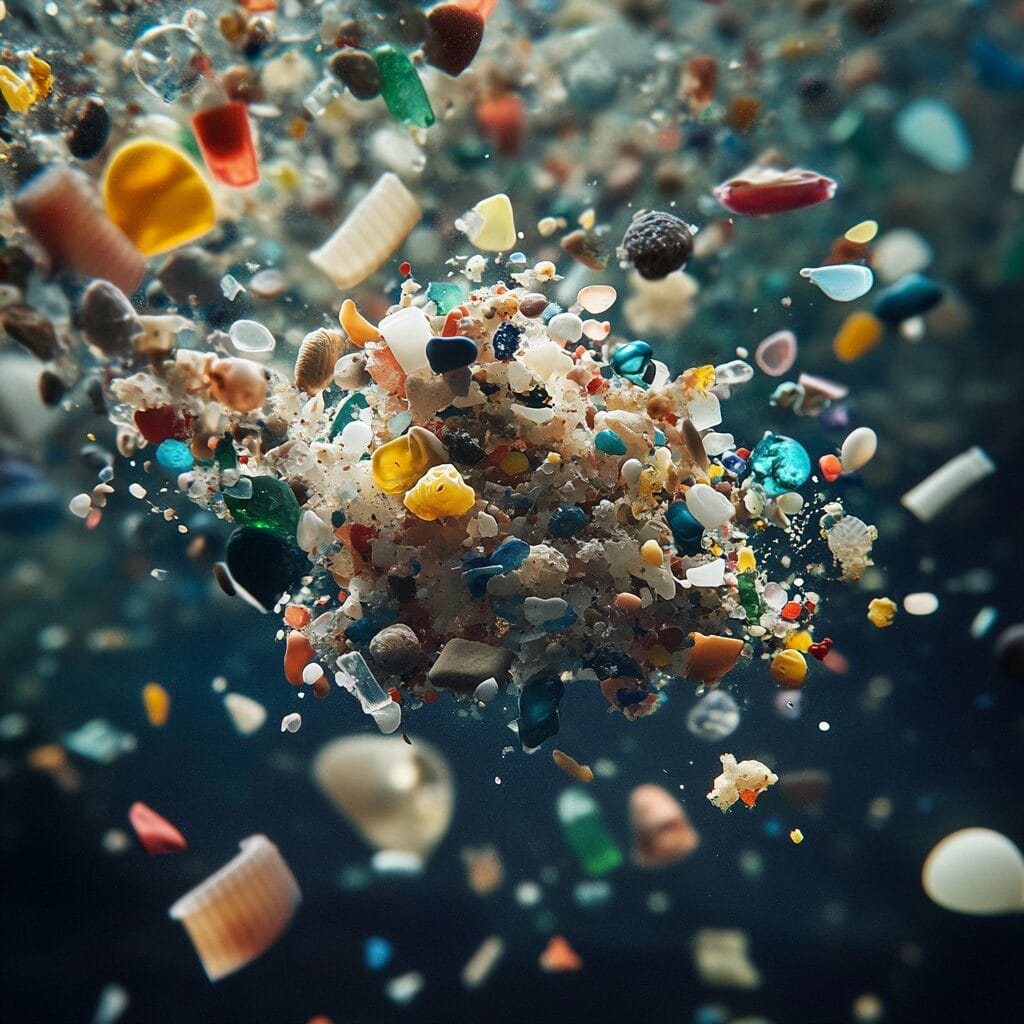
Microplastics: The Unseen Threat Within Us
In 2022, scientists made a shocking discovery—microplastics, tiny plastic particles measuring less than five millimeters in length, were found in human blood. Since then, research has confirmed their presence in critical organs such as the lungs, kidneys, livers, hearts, and even brains. This revelation raises urgent questions about why plastic has infiltrated our bodies, what it means for our health, and what actions we can take to mitigate its effects.
For decades, plastic has been an integral part of modern life. Its durability, versatility, and low cost have made it indispensable in industries ranging from packaging to healthcare. However, the environmental and health repercussions of plastic waste have been largely overlooked—until now. The discovery of microplastics in the human body is forcing us to confront the full extent of our plastic dependency and its unforeseen consequences.
The Rise of Plastic: A Modern Marvel with a Dark Side
Plastics revolutionized industries when they gained widespread use in the 1950s. Their lightweight, durable, and inexpensive nature made them an ideal material for countless applications, from food packaging and clothing to medical devices and consumer electronics. Today, we produce an estimated 440 million tons of plastic annually, and the number continues to rise.
However, this widespread production has a significant downside. Unlike organic materials that decompose naturally, plastics persist in the environment for hundreds of years. The majority of plastic waste is either incinerated (19%), sent to landfills (50%), or discarded as litter (22%). Alarmingly, only about 9% of all plastic waste is successfully recycled.
As plastic waste breaks down, it fragments into smaller and smaller pieces, eventually forming microplastics—particles so tiny they are virtually invisible to the naked eye. These pollutants infiltrate every corner of our environment, from the deepest ocean trenches to the air we breathe.
How Microplastics Enter the Human Body
Microplastics enter our bodies through multiple pathways:
- Ingestion:
- Studies show that microplastics have been detected in common food items, including seafood, salt, honey, fruits, and vegetables. Plastic packaging and processing equipment further contribute to contamination.
- Bottled water contains significantly higher levels of microplastics compared to tap water, with research finding an average of 325 plastic particles per liter in bottled water samples.
- Inhalation:
- Airborne microplastics originate from industrial pollution, synthetic fibers in textiles, and urban dust. They are small enough to be inhaled into the lungs, where they can accumulate over time.
- Dermal Absorption:
- Though less studied, microplastics may be absorbed through the skin via personal care products like exfoliating scrubs and cosmetics that contain microbeads.
Microplastics in the Human Body: Where Do They Go?
Once inside the body, microplastics do not simply pass through unnoticed. Instead, they can travel through the bloodstream, accumulate in vital organs, and even cross biological barriers such as the blood-brain barrier. Studies have confirmed their presence in:
- Lungs: Inhaled microplastics can embed in lung tissues, potentially leading to inflammation and respiratory diseases.
- Kidneys & Liver: These organs filter toxins from the bloodstream, making them prime locations for microplastic accumulation.
- Heart & Circulatory System: A study found microplastics in heart tissues of patients undergoing surgery, raising concerns about their impact on cardiovascular health.
- Brain: The ability of microplastics to cross the blood-brain barrier suggests potential neurological effects, though research is still in its early stages.
Health Risks Associated with Microplastics
The presence of microplastics in the human body is alarming, but the extent of their health impact is still under investigation. However, several potential risks have been identified:
- Inflammation and Immune Response
- Foreign particles in the body can trigger an immune response, leading to chronic inflammation. Over time, persistent inflammation can contribute to a range of health issues, including organ damage and autoimmune disorders.
- Cellular Damage and Toxicity
- Research indicates that microplastics can cause oxidative stress, leading to DNA damage and cell death. This cellular damage may increase the risk of diseases such as cancer and neurodegenerative disorders.
- Hormonal Disruption
- Many plastics contain endocrine-disrupting chemicals (EDCs) like bisphenol A (BPA) and phthalates, which interfere with hormonal balance. EDC exposure has been linked to fertility issues, developmental disorders, and metabolic diseases.
- Potential Carcinogenic Effects
Some studies suggest that prolonged exposure to microplastics and their associated chemicals could increase the risk of cancer, although definitive links are still being studied.
What Can Be Done?
Addressing the microplastic crisis requires a multi-faceted approach involving governments, industries, and individuals. Here’s what can be done:
Government and Industry Actions
- Stronger Regulations: Governments must enforce stricter regulations on plastic production and waste management, including bans on single-use plastics and microbeads in personal care products.
- Investment in Alternatives: Industries should prioritize research into biodegradable plastics and sustainable packaging solutions.
- Improved Recycling Systems: Expanding and improving recycling infrastructure can significantly reduce plastic waste.
- Advanced Filtration Technology: Developing filtration systems that capture microplastics in water treatment plants and air purification systems can help reduce environmental exposure.
What Individuals Can Do
- Reduce Plastic Consumption: Opt for reusable bags, bottles, and containers to minimize reliance on single-use plastics.
- Choose Natural Fabrics: Synthetic textiles release microfibers when washed. Choosing natural fabrics like cotton and wool can help reduce fiber pollution.
- Support Sustainable Brands: Purchase products from companies committed to reducing plastic waste and using environmentally friendly materials.
- Filter Drinking Water: High-quality water filters can remove microplastics from tap water.
- Proper Waste Disposal: Responsibly dispose of plastic waste to prevent environmental contamination.
Conclusion
The discovery of microplastics in human blood and organs marks a critical turning point in our understanding of plastic pollution. No longer confined to oceans and landfills, plastic has infiltrated our bodies, raising profound concerns about its long-term health effects.
While definitive research on the full extent of harm is ongoing, the evidence already available is enough to warrant urgent action. Governments, industries, and individuals must work together to reduce plastic pollution and safeguard public health.
By making conscious choices—whether by reducing plastic consumption, supporting regulatory changes, or advancing scientific research—we can take meaningful steps toward a cleaner, healthier future. The unseen threat of microplastics should serve as a wake-up call, urging us to rethink our relationship with plastic before its impact becomes irreversible. Join AIU in exploring solutions and driving change. Whether you’re passionate about environmental science, public health, or policy advocacy, AIU empowers you to make a difference. Together, let’s create a future where sustainability and health go hand in hand. Discover more about our programs and join us in shaping a cleaner, healthier world. Take the first step today with AIU.
Reminder to our Dear Students,
Please ensure you are logged in as a student on the AIU platform and logged into the AIU Online
Library before accessing course links. This step is crucial for uninterrupted access to your learning
resources.