The Rise of Hydrogen: Europe's Transition from Natural Gas to Superturbines
Europe is living in an historic energy moment. In its fight against climate change and carbon emissions, Europe is now ready to wave goodbye to natural gas – a fuel that was previously seen as a cleaner bridge away from coal. But this is not simply a farewell, it is being powered — literally — by a state of the art superturbine that runs on 100% hydrogen. This represents a significant step towards decarbonization and a more secure energy future.
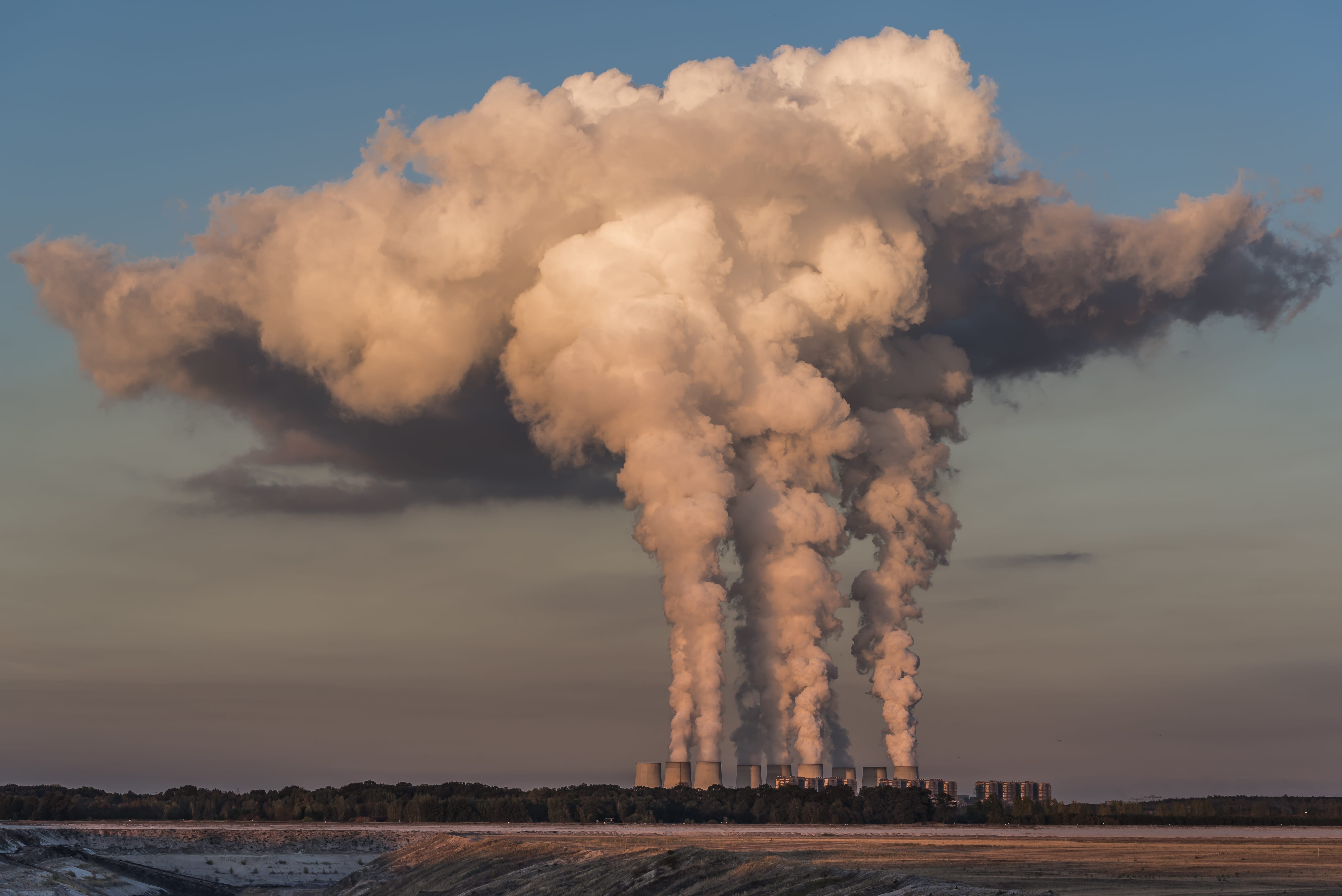
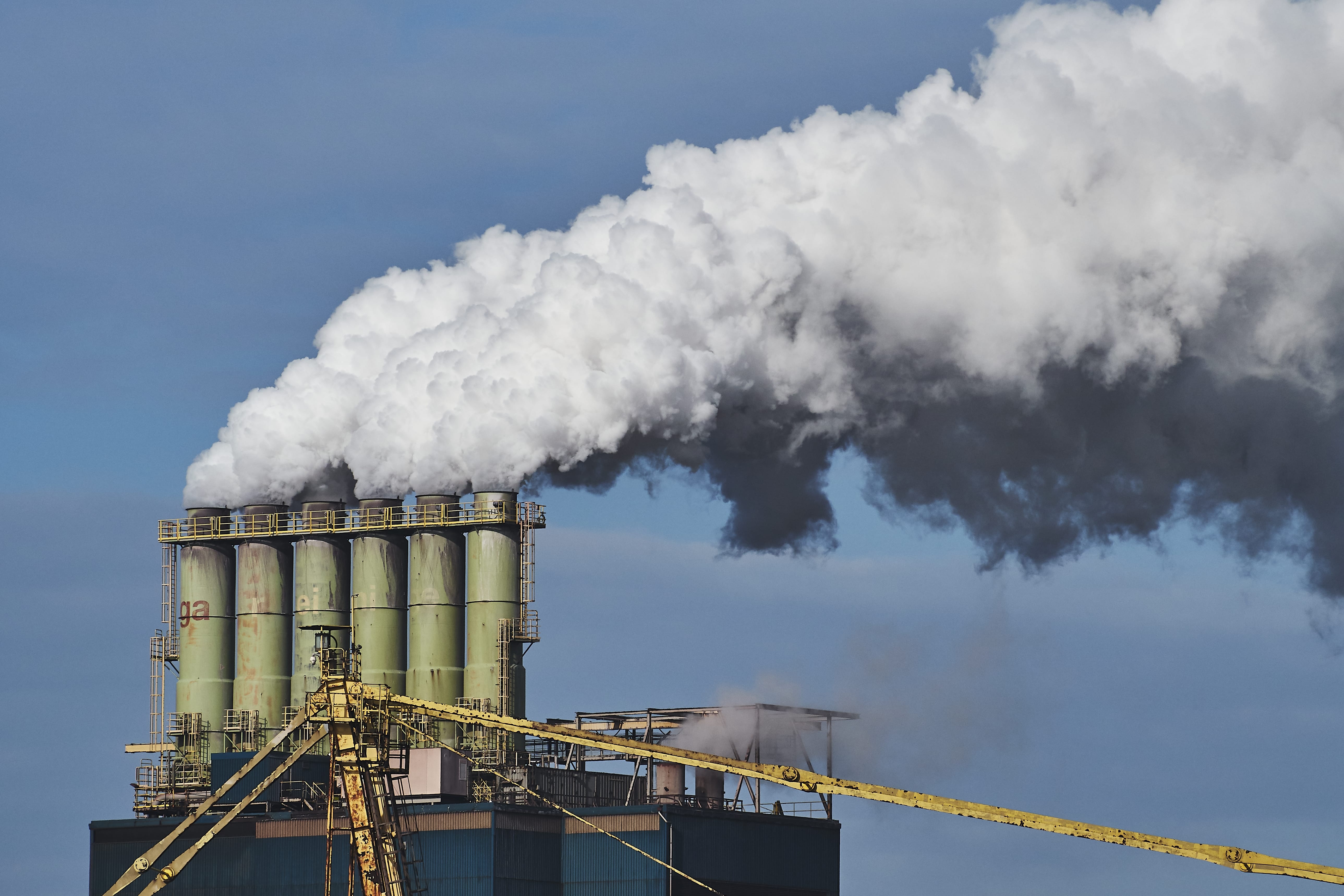
Natural gas had its use as a stepping stone to knock out coal, but it remains a fossil fuel in a green eco-system while contributing towards greenhouse gas emissions. When hydrogen is drawn on in more meaningful ways, carbon is not emitted in the first place, an entirely acceptable approach to a de-carbonized energy future. Europe was awash in gas imports and especially vulnerable to imported gas depending on the instability with access to gas from political situations in key regions, namely Russia. The invasion of Ukraine will only fast-track greater discourse around home-grown clean alternatives. The hydrogen story, especially in the case of green hydrogen, is rapidly rising among the contenders in home-grown alternatives.
The Hydrogen Opportunity
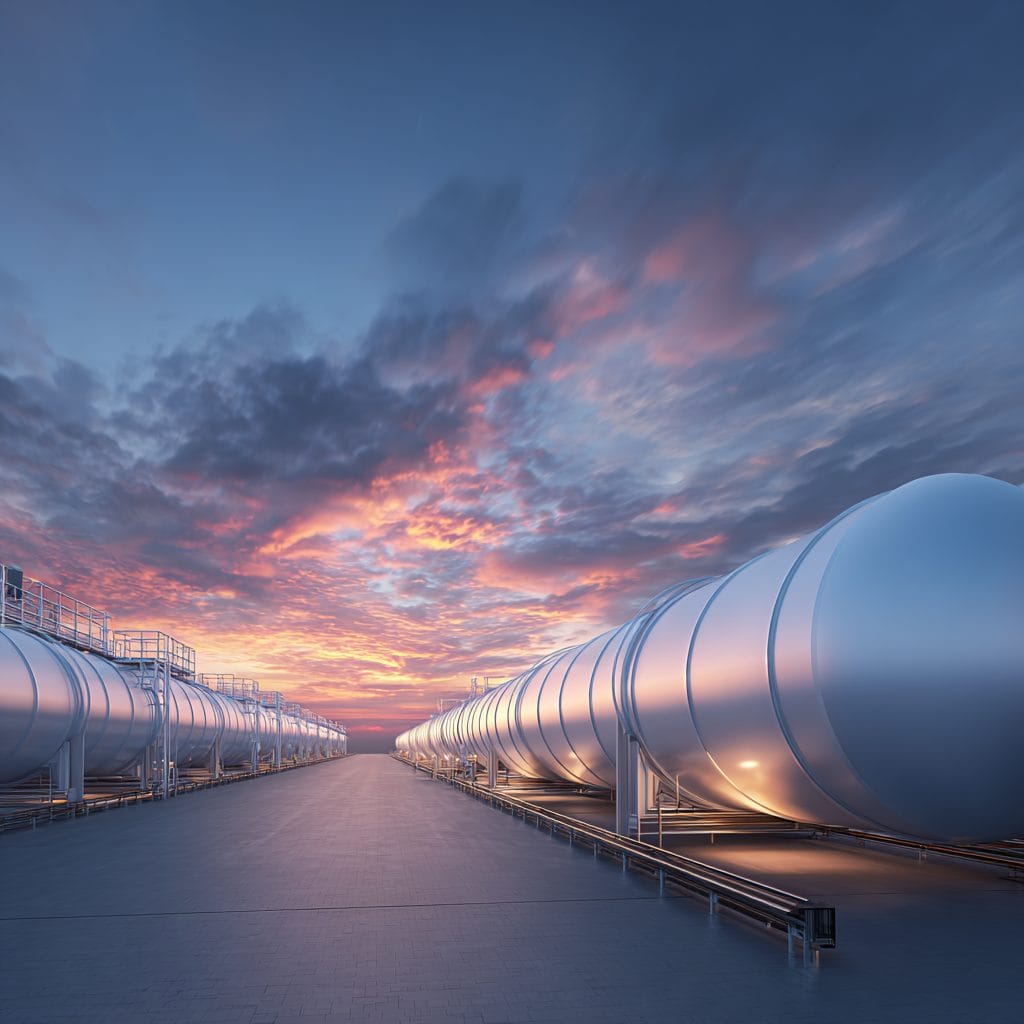
Hydrogen has had the moniker of being the “fuel of the future” and for good reason. When combusted or used in a fuel cell, hydrogen emits nothing more than water vapour, and is, thereby, a zero-emission energy source. Hydrogen has advantages that other renewable energy sources do not have, it is storable and transportable in ways that solar and wind cannot be.
In the case of European ambitions to achieve decarbonisation, hydrogen is one component of their future energy system. It is an ideal energy resource in hard to electrify sectors, like heavy industry, steel production, long-haul transport and, based on the technology — power generation. Green hydrogen is a desirable energy resource since it requires no carbon emissions in hydrogen production, in other words with the help of electricity produced from renewable resources, hydrogen can be produced by splitting water.
H2B2 Head of Business Development Africa Castro indicated in the H2 Podcast that in 2022, Spain accounted for 20% of the world’s new hydrogen projects from 2022. Significantly, 2022 was a turning point and budgeted investments for low-carbon hydrogen technologies entered a new phase of activity. For context, China has in the range of 20 million tons of hydrogen consumption today (the same amount that Europe seeks to produce in 2030 to fully replace Russian natural gas). Hydrogen is no longer a concept discussed in energy white papers. It is transforming into practical solutions that are being developed into scalable projects.
Europe's Ambitious Projects
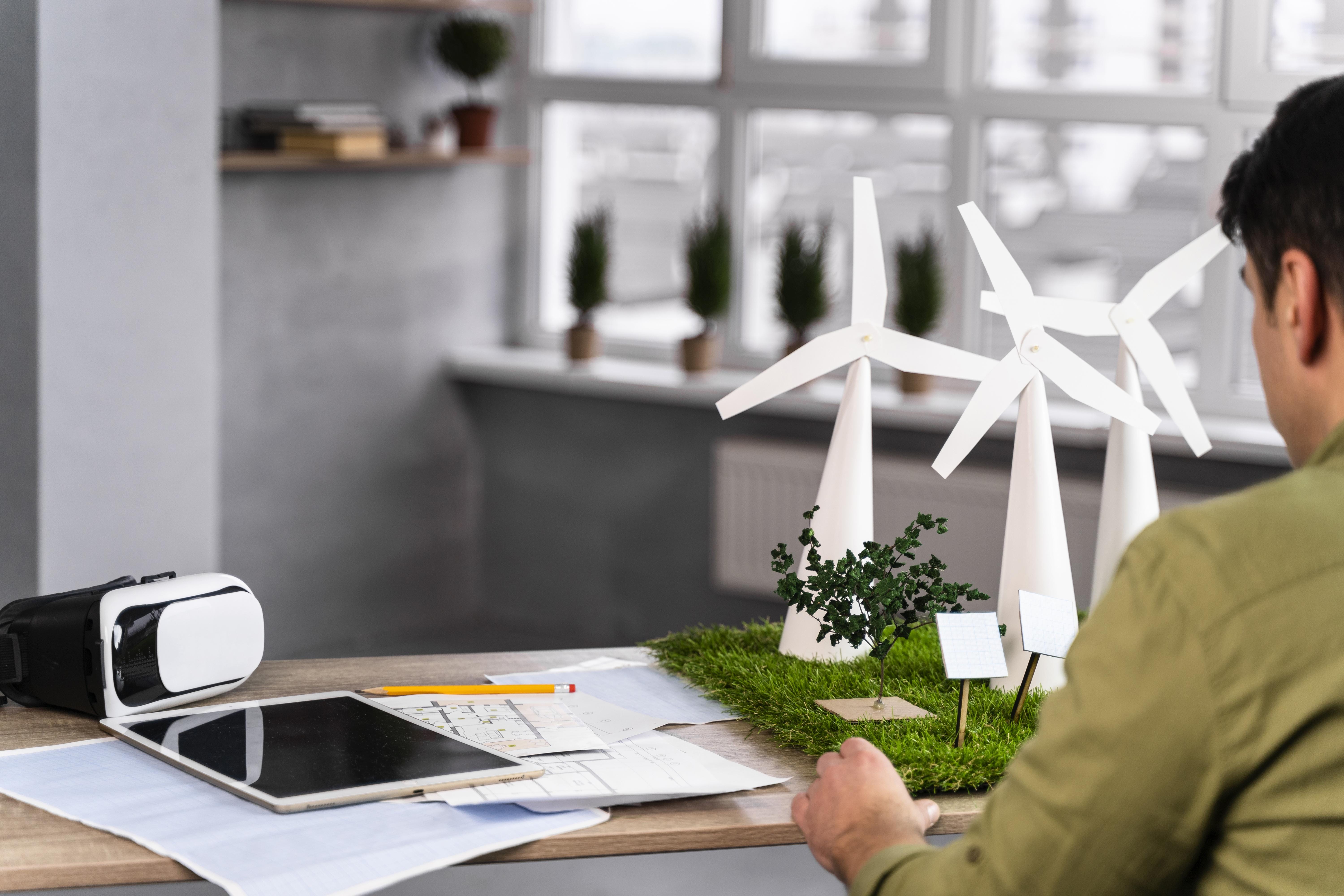
Central to that transformation is the FLEX4H2 project – funded partially by the European Union and Swiss government – to develop hydrogen combustion systems for power generation. The project sends a strong signal: investment in infrastructure and technology that can help develop a full hydrogen-powered energy grid.
The key achievement is the GT36 H-class turbine developed by Ansaldo Energia, an Italian multinational power engineering company. FLEX4H2 has highlighted, through 1 year of research and development, that it is technically feasible to employ a high-performance turbine capable of running on 100% hydrogen – a development previously considered decades away from being achieved.
This development represents more than an engineering challenge. It represents a desire across Europe to drastically curb emissions and become energy independent – while innovating and supporting green jobs.
Technology Behind the GT36 Turbine
The GT36 turbine is not just an engine upgrade. It is the beginning of a new generation of clean power. The GT36 turbine is classified as an H-class turbine – which means it employs very high-efficiency and more fuel; while utilizing extremely high temperatures. Its breakthrough is in its design of fuel chamber – which was rewritten to suit the requirements of burning hydrogen.The GT36 has been commissioned in Germany, unlike past models, which would only operate using up to 40% hydrogen, to operate on a full 100% hydrogen and produce over 560 megawatts (MW) of power – enough to provide electricity for 500,000 homes, which is about the population of a city such as Murcia, Spain.
Reaching this achievement was no small feat as hydrogen burns hotter and faster than natural gas, which presents challenges of stability and emissions control. The GT36 addresses this point because it uses two complementary combustion methods that enable high operating temperatures and scales emissions lower than, already low, past gas combustion emissions levels – without the necessity of using diluents like nitrogen or steam.
This of course is an engineering triumph, but it is also the future of zero-carbon power generation.
Implications for Energy Security and Sustainability
Whenever new products, services, or technologies are introduced, opportunities usually, but not always, arise for additional benefits, and with the hydrogen turbine transition, that is exactly the case. In addition to the immediate applications of reducing emissions, hydrogen-powered turbines will also help with energy security. Hydrogen can be produced domestically in Europe, which means that the demand for imported fossil fuels will be greatly reduced in unsteady political climates. This creates not only supply shock protection for the continent but also improved predictability and controlled pricing from previously unregulated markets.
Hydrogen also enhances grid stability. There are challenges currently for wind and solar technologies due to their inability to be controlled by market actors. Previous forms of energy could be turned on and off as required for demand and stability, but not anymore without batteries and perhaps hydrogen. Hydrogen remains a critical resource the world requires, and energy stability is a major concern. Hydrogen is storable when produced, and demand for electricity can be aggregated to ensure grid stability and reliable energyHydrogen turbines will play a critical role within a mix-energy system as backup or baseload power to help offset renewable intermittency and curtail blackouts. On the environmental side, hydrogen supports the EU Green Deal’s goal of net zero emissions by 2050. As hydrogen permeates the transportation, industry, and heating sectors, a fully-renowned low-carbon economy will be possible.
Global Context and Leadership
Europe is exploring its own energy puzzle, but also providing a blueprint for the globe. As the world transitions to decarbonize and diversify power portfolios, the systems under development in various regions across Europe can serve as an expandable foundation for other areas to develop their own. The FLEX4H2 program and GT36 turbine shows commercial reliability for 100% hydrogen combustion is possible today.
Europe’s technological leadership in hydrogen positions it for success in a global race for hydrogen economies. Other nations such as Japan, Korea, Australia, and the United States, are making multi-billion-dollar investments into hydrogen – on infrastructures and competitiveness throughout the green economy. However, Europe’s scale, diversity and aligned policies through financial support and regulatory connections is a significant advantage.
That technological leadership may also position EU businesses to achieve export possibilities. Hydrogen technologies being developed by European companies may find international markets ready to adopt and would also be boosting the competitiveness of industry, in the green economy.
Challenges Ahead – and the Good News
Not out of the woods, the hydrogen revolution in Europe has serious challenges and barriers ahead:
Infrastructure Issue: Hydrogen infra-structure requires pipelines, storage, and refueling stations. While adding hydrogen into existing natural gas infrastructure can be convoluted and costly, the existing infrastructure’s contributions towards a hydrogen economy through these infrastructure systems, is a serious consideration.
Cost Issue: The cost of producing green hydrogen remains costly, compared to “conventional” fuels. While green hydrogen costs will likely shift down with production scaling, cost of green hydrogen options remains an issue as of now due to up-front investments.
Regulatory Issue: While it should be possible to achieve a coordinated approach to safety regulations and policies across varying countries , the establishment of a standard approach to hydrogen use in returning parallel safety levels, is critical under this challenging landscape.
The good news is all issues are being addressed. €8.7 million has been provided to the FLEX4H2 program, with three more years to develop, future turbines can potentially reduce emission intensity and contribute to reconciled planning of costs and effective adaptability into applications of hydrogen.
Conclusion
The world is seeing a change in global energy, it’s looking for replacement systems with Europe brazenly waving good-bye to natural gas. What’s emerging through the GT36 superturbine, and the FLEX4H2 project, with everything else going on related to hydrogen, exceptional value in showcasing what a clean, secure, reliable and certainly sustainable future without an atomic explosion could bring for energy futures.
What is underway is not merely a switch of a fuel; but a radical re-think into how we are powering our society, generating, storing, and distributing power. Providing pathways towards transitioning to hydrogen presents opportunities that will get the world nearer to target emissions and an important step-forward to creating implemented energy systems for resiliency and sustainability.
The world is looking! If Europe can demonstrate feasibility towards a hydrogen-powered future, we may see others joining the movement, which could create a global moment towards hydrogen-powered mobilization using the universe’s most abundant element, the atomic element hydrogen!
Curious to find out more on how hydrogen is also transforming mobility? Join AIU and watch out for the latest innovations around the world’s first car that has two hydrogen engines, and a nod to the power that hydrogen technology can maximize.
Reminder to our Dear Students,
Please ensure you are logged in as a student on the AIU platform and logged into the AIU Online
Library before accessing course links. This step is crucial for uninterrupted access to your learning
resources.