Distance Learning at AIU is enhanced by vast academic resources and innovative technologies build into the Virtual Campus: Hundreds of self-paced courses with video lectures and step by step lessons, thousands of optional assignments, 140,000 e-books, the Social Media & Networking platform allowing collaboration/chat/communications between students, and MYAIU develop students holistically in 11 areas beyond just academics.
The world is YOUR campus!”, that is the message of AIU’s month magazine Campus Mundi. Hear the voices and see the faces that make up AIU. Campus Mundi brings the world of AIU to you every months with inspirational stories, news and achievements by AIU members from around the world (students and staff are located in over 200 countries).
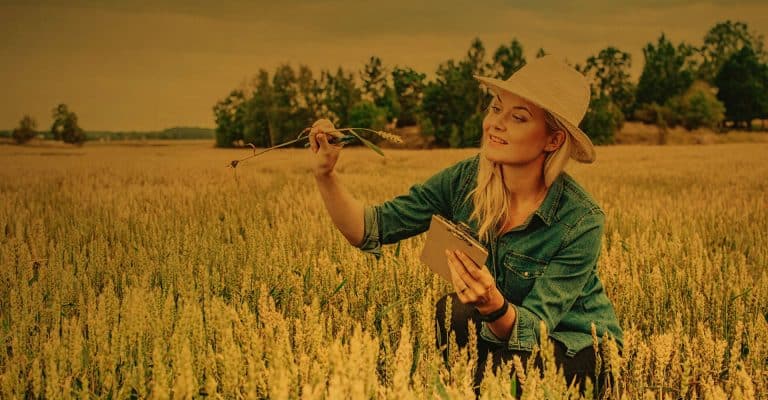
The Bachelor in Sustainable Natural Resource Management teaches students about environmental sustainability, conservation methods, and the appropriate use of natural resources by modern businesses—particularly in the field of renewable resources like agriculture, forestry, energy, land use planning, and sustainable business management. This program strives to create a more balanced economy and to conserve our planet’s natural resources for future generations through a combination of cooperative teamwork as well as individual effort.
The BNSR program offers various disciplines and flexible opportunities for students to modify their programs of study to meet their individual and professional objectives. Students in this program focus on developing research skills, critical thinking skills, analytical reasoning skills, problem solving abilities, and hands-on experience as a means of preparing for careers aimed at contributing to sustainable development projects, helping implement resource preservation techniques, and promoting the protection of the environment for present and future generations through long-term management systems on a global and local basis.
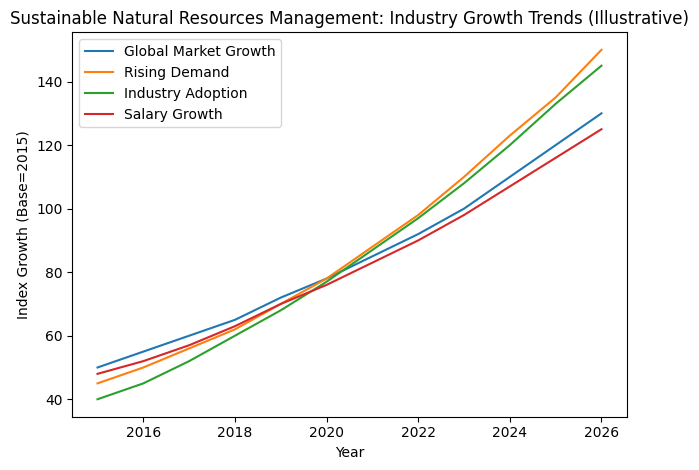
Strong global growth within the field of Sustainable Management of Natural Resources can be attributed to heightened awareness of environmental issues, coupled with associated political action through legislation promoting a reduction in greenhouse gas emissions. The expansion of the global Sustainability and Environmental Management Industry and associated increase in employment opportunities for sustainability professionals is expected to continue across multiple sectors, including agriculture, forestry, energy generation and delivery, construction, and urban planning.
In addition, there has been an acceleration of sustainable resource practices through-out the world due to companies seeking to reduce their carbon footprints as well as to increase their efficiency. Sustainable Natural Resources Management has seen a dramatic increase in available career opportunities, along with an increase in average salary levels, there is a high demand for qualified sustainable professionals. Overall, this area of study is a future-focused discipline that is anticipated to have a substantial global impact and relevance to a number of different industries.
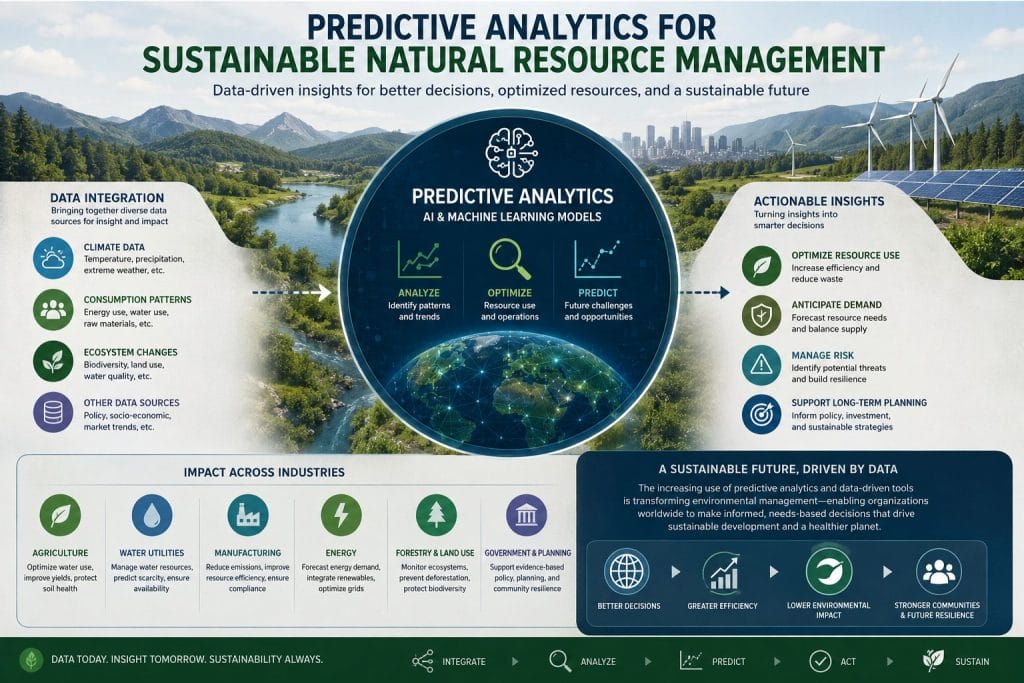
Sustainable Natural Resource Management trends, insight, predictive analytics utilize data-driven tools to analyze environmental patterns, optimize resource use, and predict future challenges to sustainability by utilizing climate data, consumption patterns and changes in ecosystems to make more informed decisions to increase efficiency and decrease environmental impact for professionals in planning that is needs-based. In addition to improving decision making, predictive analytics provides industries with the ability to anticipate resource demand, manage risk and support long-term planning for sustainability. The increase in use of these types of technologies and data will change how companies around the world use environmental management practices in support of sustainable development.
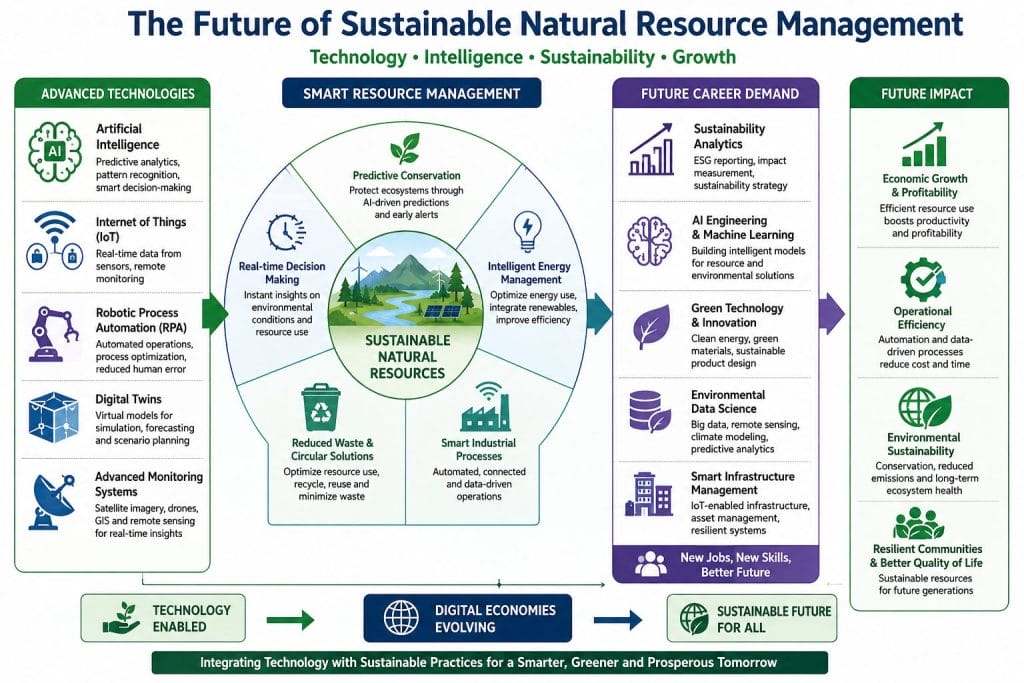
The development of sustainable natural resource management will be influenced by advances in technology (e.g., artificial intelligence, Internet of Things (IoT), robotic process automation, digital twins, and advanced monitoring systems) to provide improved efficiency/profitability of how resources are used and make instantaneous decisions regarding environmental conditions. Artificial intelligence (AI) and automated processing will help enable predictive conservation, intelligent energy consumption, reduced waste, and smart industrial processes.
As digital economies grow, job skills such as sustainability analytics, AI engineering, green technology, environmental data science, and smart infrastructure management will see increased demand from industry; therefore creating new job opportunities through the use of technology with sustainable practices will also provide ways for the industry to achieve both economic growth and operational efficiencies as well as to be environmentally sustainable over the longer term.
Sustainable natural resource management is advanced, helping to provide many career choices from many fields, including (but not limited to) AI engineering, sustainability analytics, environmental data science, green technology, and smart infrastructure management. Energy, agriculture, manufacturing, environmental consulting, smart cities, and technology industries are all hiring data scientists and sustainability professionals to help with digital transformation and environmental initiatives.
Having a good portfolio of skills through real-life work experience, certifications/education, research, and development of technical skills has become important to people. Professional development programs, industry training, internships, mentorship, and career support services have provided individuals with ways to adapt to a continually changing digital economy in order to prepare for future job or career opportunities in a sustainable and technology-driven economy.
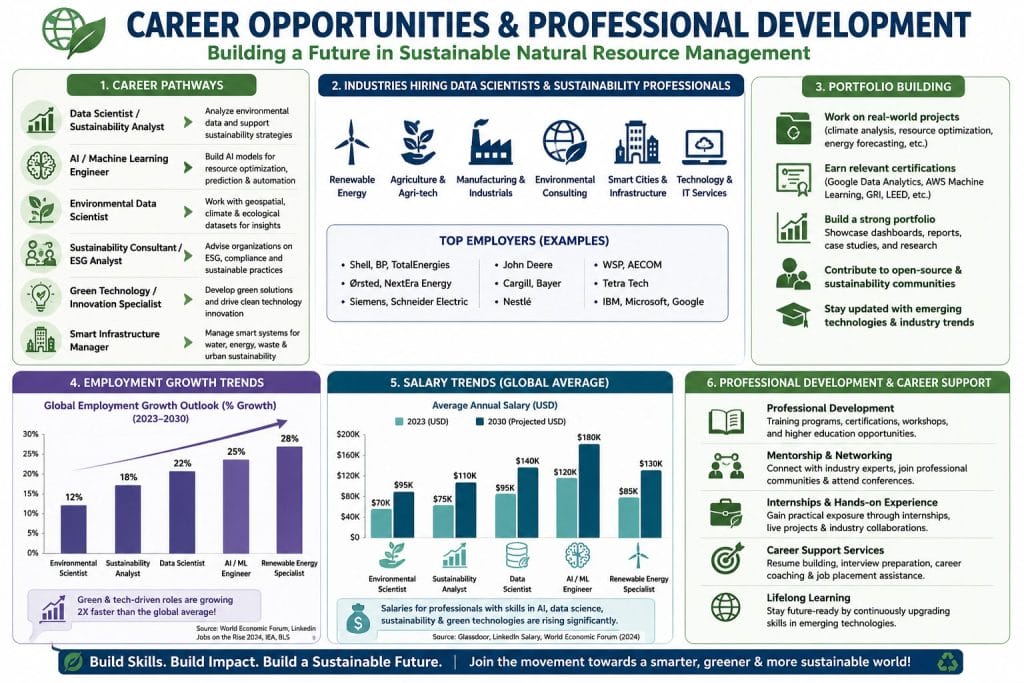
AI, automation, and intelligent digital technologies continue to be significant influences on developing sectors within Sustainable Natural Resource Management (SNRM) that advance environmental assessment, enhance resource utilization, and facilitate making sustainable decisions. Climate intelligence; Data science for environmental purposes; Developing digital twin ecosystems; Smart agricultural practices; Analytics for renewable energy sources; and Technology solutions that support ESG metrics are a few of the many emerging sectors in various industries impacting SNRM development.
Begin Your Journey!
AIU’s Summer of Innovation and Growth gives you the ability to earn up to $5000 in tuition credit by completing free lessons and courses.
Whether you’re looking to acquire new skills, advance your career, or simply explore new interests, AIU is your gateway to a world of opportunities. With free access to 3400 lessons and hundreds of courses the ability to earn credits and earn certificates there’s no better time to start learning.
Join us today as a Guest Student and take the first step towards a brighter, more empowered future.
Explore. Learn. Achieve.
The opportunity for students to creatively explore how to combine disciplines through sustainability, technology and innovation, based on their personal interests and career aspirations, is facilitated by academic freedom and customized curriculum development. Students’ ability to pursue emerging areas of specialization (such as AI for environmental management, renewable energy systems, smart infrastructure, data analytics, and green technology) through flexible learning paths provides them with the tools they need to exercise creativity; critically think; learn through research and experience; and gain the skills required to prepare for twenty-first-century global and digital industries.
A bachelor in sustainable natural resources management program offered online in Sustainable Natural Resource Management allows students who wish to study sustainability and conservation of the environment the flexibility to study at their own convenience. Students will learn at their own pace, manage their own time, and improve their ability to manage resources and plan for the environment while preparing for careers in rapidly expanding industries relating to environmental issues.
The typical method of allocating coursework in this field usually involves specific time slots assigned to each course taken during an academic calendar year. The AIU distance learning model provides a different approach, which requires students to plan their own curriculum using a modified version of an andragogical-based learning system. Students of environmental resource management degree are given the flexibility to choose how and when they study (with minimal constraints) bachelor’s in sustainability management, so that they may fit their natural resource conservation degree education into their current lifestyle.
Through independent bachelor in sustainable natural resources management research, critical thinking, and hands-on experiences with a focus on applying what they’ve learned to their sustainable development degree job(s) and/or areas of interest in sustainability, conservation, or environmental management. As such, the AIU method provides a more accommodating and relevant means for today’s learner and employee.
Typical approaches taken by formal institutions of higher learning – like universities & colleges – to teaching students how to manage their natural resources in a sustainable manner include a fixed/time-scheduled class room approach with a traditional/classroom environment utilizing standardized/age-appropriate instruction.
Atlantic International University (AIU) on the other hand offers an alternative approach to teaching about sustainable management of natural resources through its use of distance education that is based on Andragological Learning Theory which allows for self-directed learning; creation of unique/curricula for each student; as well as giving each environmental sustainability student the ability to determine their daily schedule; all while achieving the academic success necessary to achieve one’s goals in the area of conservation/sustainability/environmental management.
While allowing bachelor in sustainable natural resources management students to conduct independent research and utilize Critical Thinking Skills, students will have the opportunity to align their studies with their personal goals and desires in the area of sustainable/conservation/environmental management allowing for a much more accessible and flexible educational experience for today’s learners and working adults.
Important: Below is an example of the topics or areas you may develop and work on during your studies. By no means is it a complete or required list, as AIU programs do not follow a standardized curriculum. It is meant solely as a reference point and example. Want to learn more about the curriculum design at AIU? Check here: Course and Curriculum
Courses offer core courses and other topics in the area of Sustainable Natural Resources Management that may include, but are not limited to: environmental sciences (scientific study of the environment); principles of sustainability; climate change; renewable energy systems; natural resource conservation; GIS (geographic information systems) and remote sensing; environmental data analysis; artificial intelligence (AI) and Internet of Things (IoT) applications; smart agriculture; waste and water management; Environmental, Social, and Governance (ESG) & Sustainability Reporting; environmental policy; green technology innovation.
Sustainable Management of Natural Resources (Sustainable NRM) is being supported more and more by newer digital tools and smarter technology to enhance environmental monitoring, predictive analytics, automated processes and optimised use of resources. These digital and smarter technologies enable businesses and other organisations to make data-based decisions for better sustainability reporting and management of climate-related risks as well as developing smart renewable resources’ infrastructure that will deliver long-term efficiency for both the environment and their operations.
Through experiential learning, real-world projects, internships, case studies, and technology-based training, students learn how to apply industry skills related to modern sustainability practices in the workforce. The program prepares students for professional careers in environmental management, AI-based solutions for sustainability, renewable energy, and smart infrastructure as well as giving students the opportunity to create and operate their own companies by developing innovative solutions to problems and sustainable businesses.
Students will also have exposure to remote collaboration technology, digital platforms, data analytics, and consulting methodologies which will prepare them to succeed in global remote work careers and provide sustainability advisory services. By utilizing AI, automation, and emerging technologies in their learning experiences, students will be well-prepared for success within the future workplace and for using AI technology to help develop a sustainable digital economy.
The Bachelor of Sustainable Natural Resource Management (BSNRM) at [AIU] utilizes hands-on, technology-supported learning environments to teach students about how data-driven solutions allow for better decision making, improved efficiencies, increased accuracy, and enhanced sustainability outcomes.
Students participate in real-world environmental-based projects and capstone projects that use comparative analysis models to show how data-driven technologies can support more effective decision making regarding the management of natural resources and sustainable practices through the use of real-world case studies.
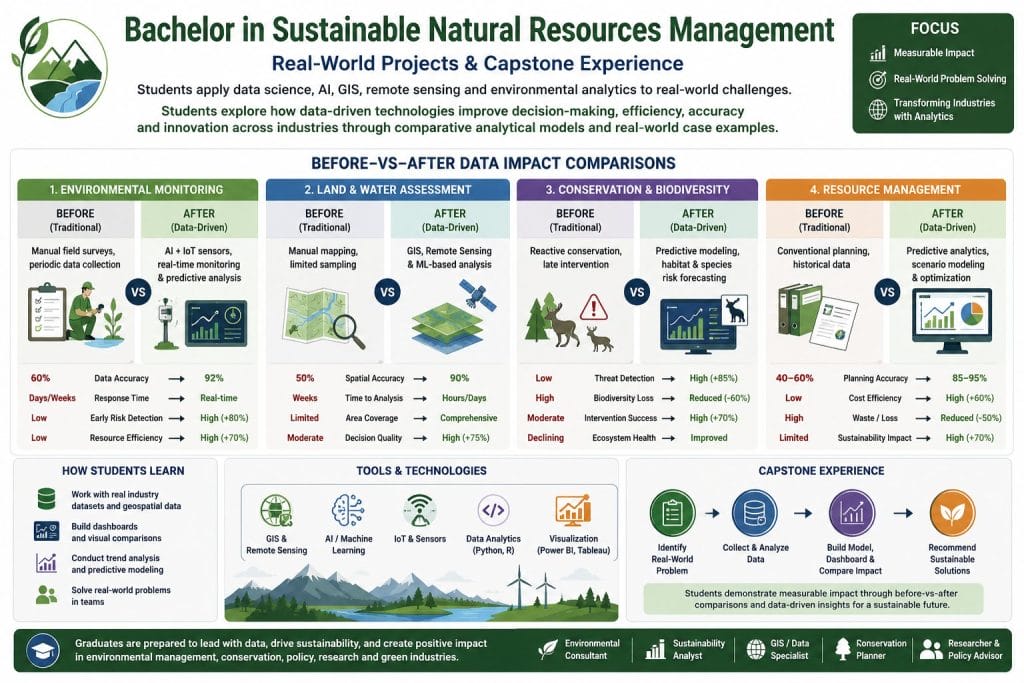
Examples of these types of data-driven comparisons include traditional approaches to environmental monitoring vs artificial intelligence-assisted predictive analysis; using manual land and water evaluations vs smart sensor systems; applying reactive conservation techniques vs predictive sustainability models; and employing traditional methods of resource planning and management vs utilizing data-driven environmental optimization methods.
This degree provides students with an opportunity to conduct research-based, innovative work in order to solve real-world problems related to sustainability. Students will conduct applied research projects involving climate resiliency, biodiversity conservation, water resources and natural conservation management, land resources management, renewable energy, smart agriculture, and environmental analytics using current technology like artificial intelligence, geographic information systems, internet of things, and remote sensing.
Each student finishes his/her studies by completing a formal research project that involves sustainability principles, environmental assessments, and creative resolution of problems. With the professor’s help, students create a formal research project (thesis or capstone) based on actual (real-world) sustainability issues by using research methodologies, analyzing data, and doing field research.
The conclusion of the program is an actual ‘presentation’ and defense of the student’s research through a formal thesis process. During this presentation, the student will demonstrate research results, analytical skills, and practical solutions to a group of academic evaluators; thus, the student will have had valuable experience preparing for graduate studies, research careers, and leadership positions in industry.
The Bachelor of Sustainable Natural Resources Management at AIU–Atlantic International University offers flexibility and an internationally blended learning experience via the AIU Virtual Campus and interactive digital tools for education. Students participate in collaborative discussions and research activities, academic networking opportunities with students around the world, and multicultural experiential learning through many different types of community interaction tools including: Community Tools, Campus Mundi, AIU TV, AIU Radio, and online interaction activities. In addition to promoting active participation, independent learning, innovation, and international collaboration, the program supports students with virtual academic resources, opportunities for professional development, graduation activities, and ongoing faculty-member interaction as well as peer-to-peer interaction in a modern digital learning environment.
The Program grants students an opportunity to participate in real time academic sessions, interactive expert-led Webinars and International Symposiums that provide additional opportunities to learn beyond conventional course materials. These experiences provide opportunities for collaborative learning, global business networking opportunities at both regional and international levels, knowledge transfer between participants, and exposure to new and evolving technologies, environmental management, sustainability, and natural resource management; through collaboration with faculty members, researchers, industry experts, and other student communities around the world, students will develop a broader view of the world, build a professional network of contacts, and gain first-hand experiences in dealing with issues related to global natural resource management and the development of sustainable solutions.
AIU offers the Bachelor of Sustainable Natural Resources Management program (BSNRM) across a range of academic disciplines that help students access advanced academic resources and leverage AI-based technologies to enable them to have a flexible, research-oriented education. Students can utilize a variety of digital libraries, academic databases, virtual simulation tools, intelligent learning support systems, and new AI software applications to complete wildlife conservation research projects; analyze data; create environmental and ecosystem management models; and utilize decision-making skills.
The Program offers students an opportunity for independent resource planning and learning, interactive engagement, and technology-mediated problem-solving with access to a range of online research archives, large databases containing sustainability data, online collaboration platforms, and innovative online learning environments focused on preparing students for successful career opportunities related to environmental and sustainability issues.
Prospective students who want to study the Bachelor of Sustainable Natural Resource Management with AIU can enroll in a program designed to provide a foundation for a broad range of academics and professionals who have an interest in sustainable development, environmental management, natural resource conservation, and the use of new green technologies. Typically, all applicants must hold a secondary school diploma (or equivalent) as a minimum requirement for admission into the program.
Frequently asked questions from prospective students regarding applying to the Bachelor of Sustainable Natural Resource Management include: “Will I have to have existing knowledge of Environmental Science to qualify for admission?” ; “Can nondisabled/nontechnical students apply for admission?” ; and “Will I be required to have field experience before applying for admission?” etc. These types of questions assist prospective students in understanding how the program has the potential to provide access and flexibility in higher education.
The steps to apply for a Bachelor in Sustainable Natural Resources Management at AIU are very straightforward. All you need to do is take some simple steps and you are done. Read the steps below :
At AIU (Atlantic International University), we provide an undergraduate degree program in Sustainable Natural Resources Management that is constructed to be flexible, accessible, and supportive for students of all backgrounds. AIU is committed to providing affordable means of learning by providing customized tuition rates, financial aid, and scholarships for students studying sustainability and environmental management at the undergraduate level.
An interdisciplinary bachelor’s degree in sustainable natural resources management with the goal of managing, conserving and protecting these resources fairly and sustainably (land, water, forests, energy, ecosystems). The program emphasizes the use of the following elements: environmental science, sustainability practices, technology, policy, and data to develop skills for various professions within this field such as environmental managers and conservationists; renewable resource management; and sustainable development.
An individual that obtains their degree in Natural Resources Management will be able to pursue job opportunities in the fields of environmental conservation, forestry, wildlife management, sustainable consulting, water resources management, agriculture, renewable energy, environmental policies and climate change planning. Individuals with these degrees can find similar positions within both local and global entities that include government agencies, non-profit organizations (NGOs), research institutions, environmental consulting firms, and global sustainability organizations that work together to protect natural resources through responsible management.
Yes, AIU offers a sustainable natural resources management degree online.
The Bachelor in Management of Sustainable Natural Resources offers a broad range of studies relating to environmentally-based and sustainable practices as well as technologically-based management of natural resources. With respect to environmentally-based and sustainable studies, most students take courses in various subject areas, such as the following: environmental science; ecology; climate change; renewable energy systems; natural resource conservation; water and waste management; biodiversity; and sustainable development. Within the area of technology-based management of natural resources, the students would take courses in various advanced subject areas, such as the following: GIS & remote sensing; environmental data analytics; artificial intelligence (AI); IoT applications; smart agriculture; ESG & sustainability reporting; environmental policies; and green technology innovation.
"*" indicates required fields