- RESEARCHDistance Learning at AIU is enhanced by vast academic resources and innovative technologies build into the Virtual Campus: Hundreds of self-paced courses with video lectures and step by step lessons, thousands of optional assignments, 140,000 e-books, the Social Media & Networking platform allowing collaboration/chat/communications between students, and MYAIU develop students holistically in 11 areas beyond just academics.
- PROGRAMS OFFERED
- Areas of Study
- Courses and Curriculum
- Open Courses
- Register for a Program
- Associate Program
- Associate in Addiction Counseling
- Associate in Agriculture Food And Resources
- Associate in Anti Terrorism Security
- Associate in Behavior Analysis In Special Education
- Associate in Bioethics
- Associate in Climatology
- Associate in Cultural Theological Communication
- Associate in Culinary Arts
- Associate in Ecotechnology
- View all Associates Programs
- Bachelor Program
- Bachelors in Community Development
- Bachelors in Environmental Science
- Bachelor in Education (B.Ed, BS)
- Bachelors in Economics
- Bachelors in Entrepreneurship
- Bachelors in Financial Administration
- Bachelors in Human Resource Management
- Bachelors in Linguistics
- Bachelors in Nutritional Science
- Bachelors in Occupational Health and Safety
- Bachelors in Psychology
- View all Bachelor Programs
- Doctorate Program
- Doctor | of Biology (PhD)
- Doctorate in Business Administration (DBA, PhD)
- Doctor of Economics (PhD)
- Doctor of Electrical Engineering (D.Sc, PhD)
- Doctor of Finance (PhD)
- Doctorate in International Relations
- Doctorate in Information Technology (D.Sc)
- Doctor of Legal Studies (PhD)
- Doctor of Project Management (PhD)
- Doctor of Sociology (PhD, D.Sc)
- Doctorate in Sustainable Natural Resources Management
- View all Doctorate Programs
- Master Program
- Postdoctoral Program
- Postdoctoral in Animal Science
- Postdoctoral in Anti Terrorism Security
- Postdoctoral in Behavior Analysis In Special Education
- Postdoctoral in Bioethics
- Postdoctoral in Blockchain Technology and Digital Currency
- Postdoctoral in Business Management
- Postdoctoral in Cloud Computing
- Postdoctoral in Computer Engineering
- View all Postdoctoral Programs
AIU offers a wide range of majors in areas including the Arts, Business, Science, Technology, Social, and Human studies. More than 120 degrees and programs are available for adult learners at the associate’s, bachelor’s, master’s, doctoral and postdoctoral level. - VIRTUAL CAMPUS
Distance Learning at AIU is enhanced by vast academic resources and innovative technologies build into the Virtual Campus: Hundreds of self-paced courses with video lectures and step by step lessons, thousands of optional assignments, 140,000 e-books, the Social Media & Networking platform allowing collaboration/chat/communications between students, and MYAIU develop students holistically in 11 areas beyond just academics.
- ALUMNI
The world is YOUR campus!”, that is the message of AIU’s month magazine Campus Mundi. Hear the voices and see the faces that make up AIU. Campus Mundi brings the world of AIU to you every months with inspirational stories, news and achievements by AIU members from around the world (students and staff are located in over 200 countries).

Engineers Have Discovered the Stunning Secret to Making Cement 17x Stronger

Could nature unlock a better future for one of the largest polluters on the planet?
What does it look like to scale nacre-cement and other bioinspired materials in order to create an equilibrium between industry and the environment?
What role do educational and research institutions need to take in moving products of research into products of sustainable solutions that impact the real world?
Now it is your turn. As a culmination of a recently published idea of a nacre inspired cement, write an essay that connects scientific innovations to the world of sustainability. Use the discovery to illustrate the genius of creativity in solutions that nature provides to address a 21st century need. Think through the ethical, environmental, and industrial implications of possibly moving such materials, and how they can potentially impact the future of construction, climate change, or sustainable cities. Finally, think through the impact of any education institution, Atlantic International University (AIU) in particular, into developing learners to think beyond education, as well as how we can impact thought process, responsibility, and creativity. Your writing should not only read as science, but be even more so in the process of meaning, what it can do, and how it can change our world.
(Login to your student section to access the AIU Additional Resources Library.)
Engineers Have Discovered the Stunning Secret to Making Cement 17x Stronger
How Biology and Oyster Shells Change the Future of Building
Cement is a neglected foundation of modern society. From the iconic towers that fill our skyline to the bridges that span nations, it is this simple resin that connects us. But, beneath that strength lies one of the largest environmental challenges, as cement production releases nearly 8% of all global CO2 emissions due primarily to its heat-intensive fragmentation to create clinker (clinker is the main binding component of cement). This has engineers and scientists speculating about cement, and if it could be made stronger, safer and more sustainable without changing its double purpose.
An apparent paradigm shift study from Princeton University seems to have found an unbelievable answer to the simple question – how strong can cement be made? In a simple term, they drew their inspiration from an unfamiliar natural phenomenon – the oyster shell, and created a cement that is 17x greater than ordinary cements.
So, what is the secret? Mother Nature’s first design.
The Problem of Concrete: Toughness and Sustainability
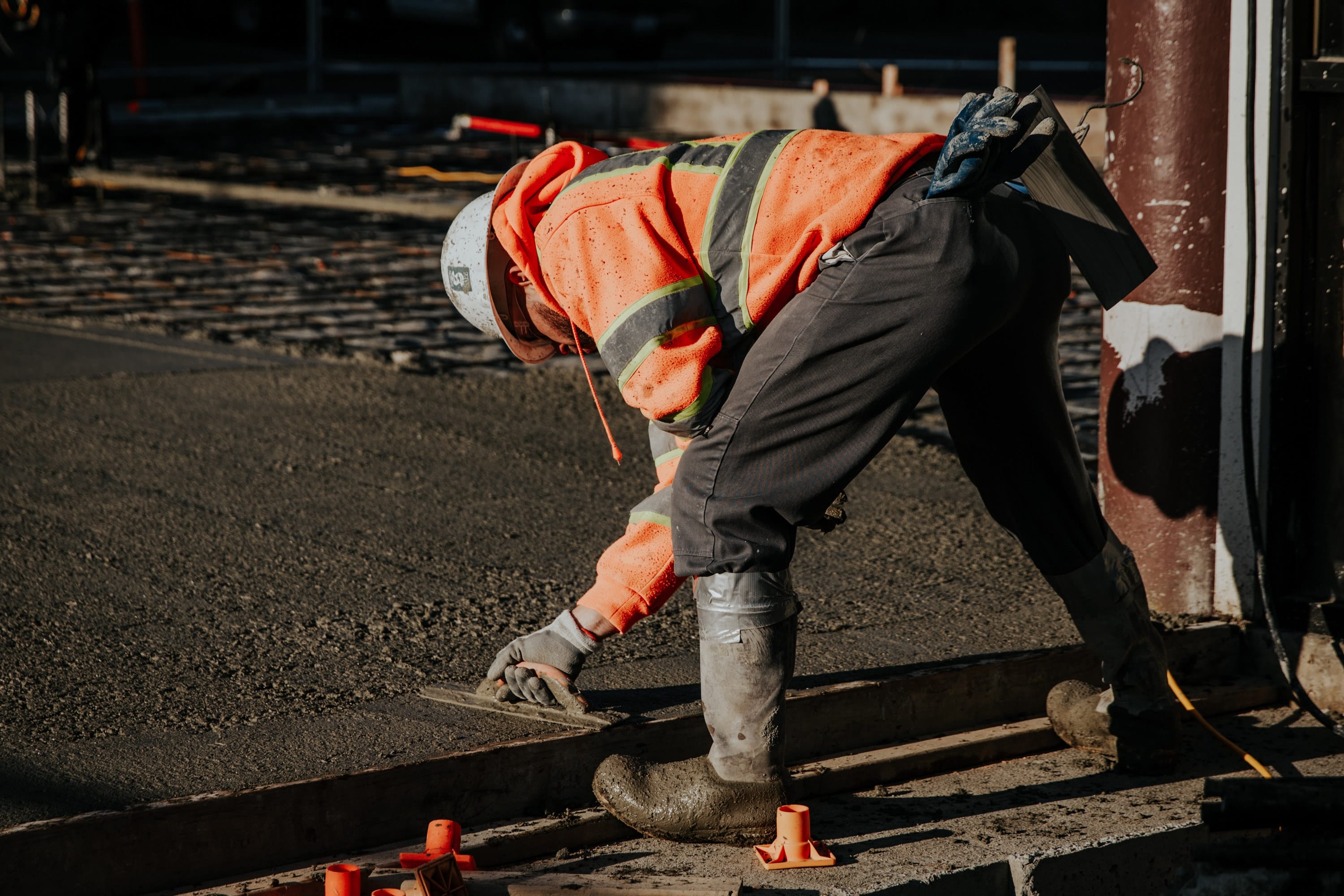
Concrete is both a necessity and vulnerability. Its rugged properties cause it to crack and thus greatly reduce the life expectancy of buildings, bridges, and roads. In an idea to armor against cracking, reinforced concrete was created that thereby inferred only further durability, complexity, cost and an environmental toll to a product that already has a massive GHG footprint.
In production, cement is in fact one of the single largest global greenhouse gas emissions offenders.It makes cement from heating limestone to products at temperatures above 1,400 °C. The CO₂ originates from not only breaking down limestone, but from the fuel used to heat the product, and from the chemical changes of limestone itself. On average for every ton of a concrete product produced there is a ton of CO₂ produced, making it one of the planet’s most carbon-laden products.
Thus, there are two challenges for engineers:
- Improve mechanical properties – The durability, flexibility, and cracking margin for cement-based products must be improved.
- Reduce environmental impact – Emissions and waste generation when producing and maintaining cement-based products must be reduced.
For the team at Princeton what these two challenges meant was not a challenge of synthetic chemistry – it was about biological architecture.
A Lesson from the Ocean: The Armor of the Oysters
Oysters may look delicate but they endure in harsh and changing marine environments in part due to their amazing natural masterpiece hidden inside, nacre or “mother of pearl”.
While the beauty of nacre has long been associated as an aesthetic for jewelry, it is in fact the inner structure that has captured the attention of scientists. Nacre at the micro-scale has a structure consisting of a series of hexagonal aragonite tablets – a crystal form of calcium carbonate – that are layered and reinforced with frivolous, flexible organic layers that serve as mortar. This recognized brick and mortar architecture provides nacre with its impressive strength and toughness.
When a loading condition is applied to nacre it simply does not fail like a normal non-bio plastics and minerals do, or more typically just shatter. In contrast, with nacre’s several layers, cracks are redirected, held off, and absorbed, making nacre extremely tough despite its lightweight design. It is estimated that nacre is 3000 times tougher than aragonite.
Through millions of years of evolution, Mother Nature has engineered nacre to be lightweight, tough, and energy-efficient…everything we as humans are striving toward in highly advanced structural materials. Researchers at Princeton University viewed nacre as a template of a new base.
The research team started by characterizing the micro-architecture of nacre through high-resolution imaging. They found that the strength of nacre was not due to its chemistry, rather the architecture of nacre — the ordered structure of these layers is a means to distribute stress and compliance and preemptively stop cracks from propagating.
From this understanding, the team produced a nacre-style architecture in cement. They adapted advanced processing techniques and produced micro-laminated layers, like that of an oyster shell, separating the hard and soft layers.
What happened next was astounding. The nacre inspired cement, while loaded, had calculated toughness of 17 times tougher than normal cement, thus it could take more forces without cracking. This research represents a paradigm shift in material science: As an engineering community are now moving into designs of understanding smart designs at the micro-architecture rather than just mixed materials of higher strength.
The Discoveries: 17x Tougher, Durability, Resilience
The data told an incredible story that appropriately represented its architectural toughness.As a component of the mechanical assessment, the nacre-like cement absorbed nearly 17 times more energy to failure than traditional samples. The design of the cement microstructure rerouted crack propagation, and the galleries (layered arches) formed between the layers systemically added to toughness and ductility.
What do these findings mean as it relates to a practical outcome?
Increased life span via a longer lifespan of the infrastructure resulting in explosive performance (stress, earthquakes, and environmental weathering).
- Reduced maintenance costs via cracks taking longer to develop resulting in less wear and need for replacements — for example, it took 13 months before another maintenance intervention was needed on nacre-like cements.
- Increased material efficiency by using less material to achieve similar performance along with a resistance to crack propagation.
- Reduced carbon footprint via a reduced cement footprint and thus emissions that would occur during cement production.
This finding could have incredible ramifications for the future sustainable urban development providing opportunity for cities to grow without continuing the further deterioration of the environment — a life of cities built by nature!
How Might Biomimicry Shape Our Infrastructure's Future?
This study is situated within a growing area of research called biomimicry or biomimetic design where researchers, engineers, designers, and others leverage ideas from the optimized designs biological systems have developed in order to solve an engineering design problem.Nature has served as a fitting inspiration for this research agenda, as it designs its methods and products in ways that utilize materials to achieve strength and flexibility, while at the same time making those materials even in ways that reflect the vastness of resources of the world that many human-made products of materials cannot relate to.
Some of the more recognized examples of biomimicry designs at or near the leading edge of the idea of biomimicry include:
- The design of the nose of a Shinkansen bullet train which particularly draws its inspiration from the beak of a Kingfisher to reduce noise and drag.
- The self-cleaning coating is particularly based on the surface, or structure of the lotus leaf that repels water.
- The design of shark skin inspired surfaces and products, particularly focused on reducing the potential for bacteria to grow while at the same time reducing drag when in-water.
Like these examples, nacre inspired cement emphasizes the growing potential in the use of bioinspired materials as we begin to think about applying bio-inspirited materials to renegotiate our performance and sustainability specifications in the design of ourselves and the things around us. This shows us as designers and engineers we can work with systems in nature recognizing evolution and millions of years of experimentation to create greener stronger forms and technologies, rather than always to be opposed, considered directly opposite, competing with any and all systems and emergent properties.
Environmental Impacts and the Future of Green Cement
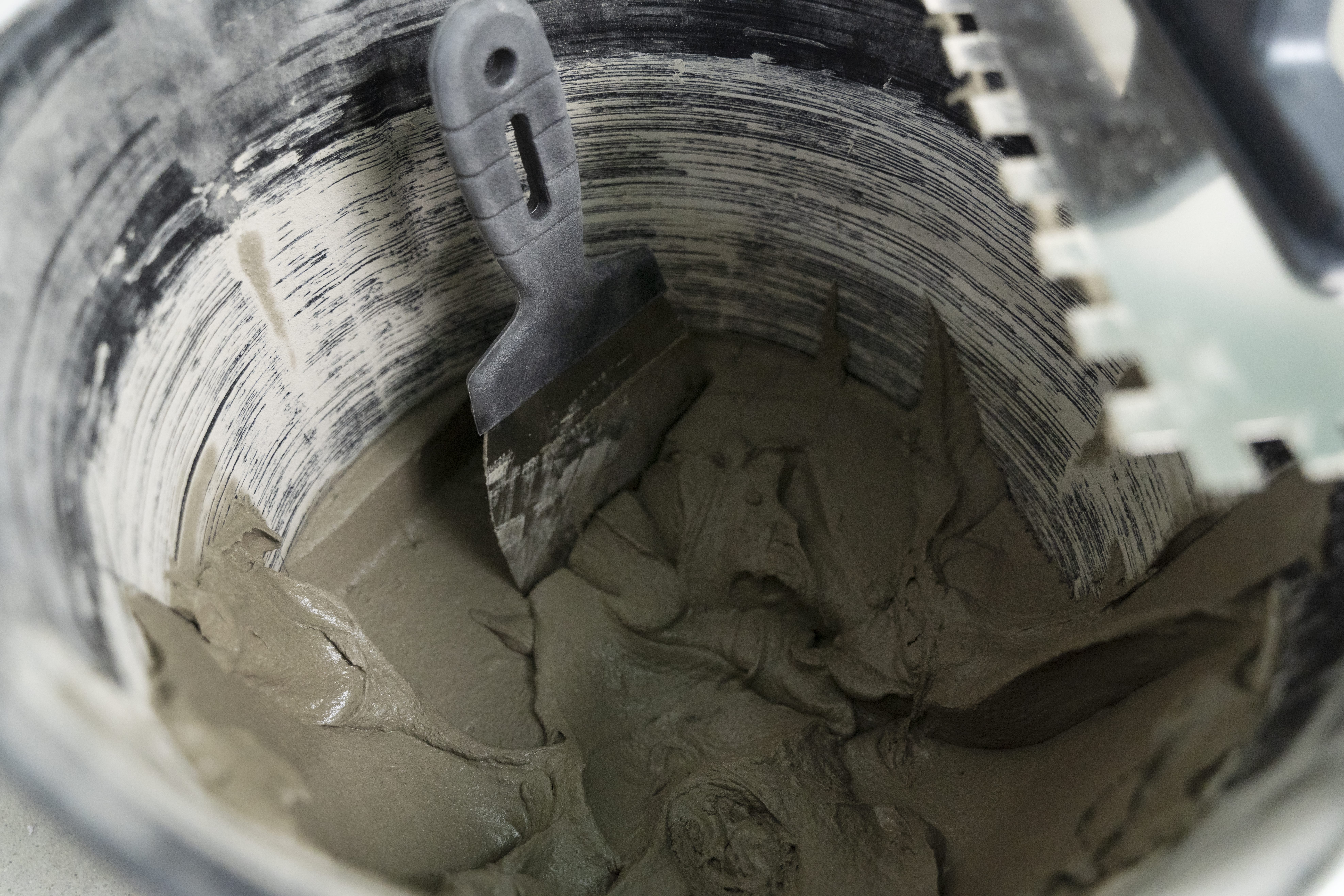
The cement industry now contributes more than 2.5 billions tons of CO₂ to the atmosphere each year therefore becoming a priority for decarbonization.Nacre-inspired cement has the potential to greatly reduce cement emissions via many different pathways:
- Less material waste: Stronger cement means lower overall volume needed for construction.
- A longer building lifespan: If buildings are durable, less demolition and reconstruction will be needed.
- Energy embedded: Lower cement production depends on less energy use.
- Carbon incorporation: There is a potential to use a nacre-like design with carbon capture or other carbon-binding.
If adopted widely, this development can help accelerate low carbon infrastructure and further the UNESCO Sustainable Development Goals (SDGs):
- Goal 9: Industry, Innovation, and Infrastructure
- Goal 11: Sustainable Cities and Communities
- Goal 13: Climate Action
This is a great example of how we can take inspiration from nature to create real solutions to global sustainability issues.
Challenges Ahead: Closing the Gap from Lab to Industry
Even when the promise is great, we need to put effort toward solving challenges before we can “go to scale” with nacre- inspired cement. We will need to develop the industrial process for layering nacre-like structures; and do it at a cost that is sustainable and simultaneous to existing cement production facilities.
Some of the hurdles include:
- Making stable manufacturing processes for micro-layered cement.
- Controlling manufacturing variables for consistent quality control at scale.
- Long-term performance testing in various climates and building types.
Fortunately, thanks to new technological processes such as large format 3D printing, AI-assisted materials modeling, and nano-engineered composites, the widespread amenability of nacre-based materials will soon be within reach of many. The meeting of these fields of knowledge may truly bring nacre-inspired materials from lab benches into the hands of construction workers around the world.
Conclusion: The Future is a Nature’s Designs
This discovery at Princeton University is a healthy reminder that nature is the greatest engineer of us all. In studying nacre from oysters, researchers may have established a means towards producing one of the universal need products – cement – that will be improved to be much stronger and more sustainable.
This body of work starts us on a journey of a new architectural time period where we embrace nature, and create a good from its native design. We will not so much battle nature, as learn from nature. And at the same time we explore the magnificence of biological design, we will also discover the advantages of anthropogenic and human-centered engineering.
For it may very well be that the down and out oyster, once known only to produce its pesky pearls, is now an essential figure in a stronger, greener, and more resilient future for our industrial, built environment.

Join the Family of Atlantic International University - Where Innovation and Purpose Meet
At Atlantic International University (AIU), we appreciate that discoveries are happening, such as the cement described, educational times such as this is when the future becomes rewarded, as discovery happens through inquisitive thinking, creativity, and education for purpose. And as education should: AIU is for all learners who do not wish to be constrained by textbooks and cultural vices which define distinctions between disciplines and create the educational difference that changes the world for the better.
Our self-paced, flexible, and AI-assisted learning model gives students the freedom to explore their education, in the same way, a new material will change the future, through evidence-based innovation, and sustainability as engineers, sustainability educators, or scientists collectively can do, through theory in action, toward an evidence informed and evidence-based future.
Collaborate with increasingly perceive the true value, and re-define materials technology for sustainability, and agency for the possible future. Come to AIU and together let’s build a future, discovery by discovery!
- Environmental Science & Management
- Research areas
- Sustainable Urban Planning
- Harmony in Concrete Crafting
- Support Your Online Study
- Join AIU
References
- Engineers Discovered the Spectacular Secret to Making 17x Stronger Cement
- The Secret of Making 7X Stronger Cement
- Princeton Engineers Develop New Cement That Is 17x More Crack-Resistant
Reminder to our Dear Students,
Please ensure you are logged in as a student on the AIU platform and logged into the AIU Online
Library before accessing course links. This step is crucial for uninterrupted access to your learning
resources.
AIU Success Stories






Contact Us Today!
Begin Your Journey!
AIU’s Summer of Innovation and Growth gives you the ability to earn up to $5000 in tuition credit by completing free lessons and courses.
Whether you’re looking to acquire new skills, advance your career, or simply explore new interests, AIU is your gateway to a world of opportunities. With free access to 3400 lessons and hundreds of courses the ability to earn credits and earn certificates there’s no better time to start learning.
Join us today as a Guest Student and take the first step towards a brighter, more empowered future.
Explore. Learn. Achieve.