Revolutionizing Medicine: Harnessing the Potential of RNA Therapies Through Milk Delivery
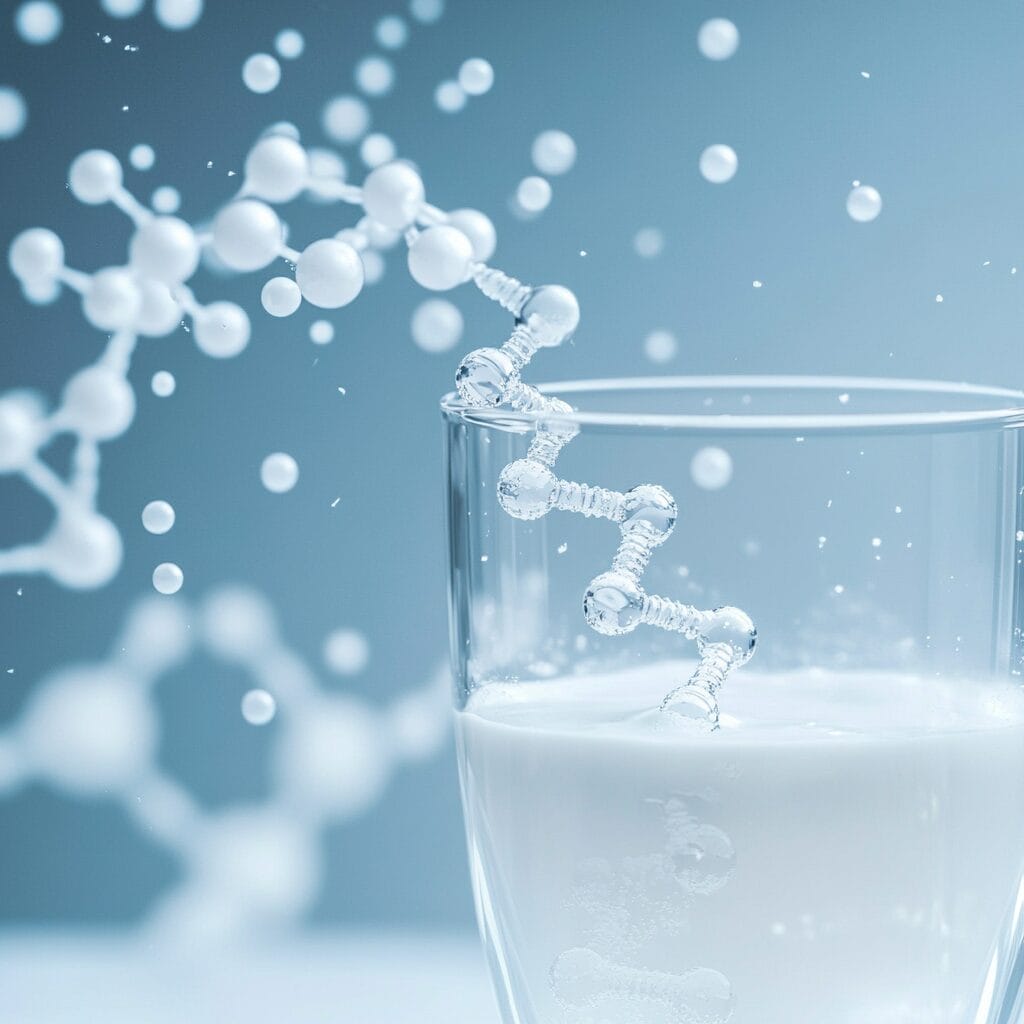
In a groundbreaking experiment, UK scientists have explored a novel approach to drug delivery using an everyday substance—cows’ milk. This innovation has the potential to transform how we administer RNA therapies, a rapidly growing field in medicine that could treat conditions ranging from cancer to neurodegenerative disorders. Traditionally, RNA therapies have faced a significant challenge: stability. These molecules degrade easily, making delivery to target cells difficult. However, milk may provide a natural, safe, and effective method of transport, potentially leading to oral RNA treatments that eliminate the need for injections.
RNA-based drugs have already demonstrated their power, particularly with the development of mRNA vaccines for COVID-19, which helped control the pandemic. Now, scientists are looking beyond vaccines, aiming to use RNA to create targeted therapies for a wide range of diseases. The success of RNA therapies depends largely on how well they can be delivered into the body. The latest findings suggest that milk could be the key to overcoming one of the biggest hurdles in this field.
Understanding RNA Therapies
Before diving into how milk could help deliver RNA therapies, it’s essential to understand how RNA functions in the body and why it is such a promising tool for medicine.
RNA, or ribonucleic acid, is a molecule responsible for translating genetic instructions from DNA into proteins. These proteins are essential for carrying out nearly all biological processes in the body. When something goes wrong at the genetic level, diseases can develop due to defective or missing proteins. RNA therapies allow scientists to intervene in this process, instructing cells to either produce beneficial proteins or stop making harmful ones.
One of the best-known examples of RNA therapy in action is the mRNA vaccines for COVID-19. These vaccines teach cells to create a harmless version of the coronavirus’ spike protein, triggering an immune response. This technology can be expanded far beyond vaccines to include treatments for genetic disorders, cancers, and chronic illnesses. However, the biggest challenge in making RNA therapies widely available is finding a way to safely and effectively deliver RNA molecules into the body.
The Challenge of RNA Delivery
Despite their medical potential, RNA molecules are fragile and degrade quickly outside cells. If left unprotected, they can be destroyed by enzymes in the body before they reach their intended target. This is why scientists must develop delivery systems that can protect RNA molecules long enough for them to reach cells and perform their function.
Currently, the most common way to deliver RNA therapies is through lipid nanoparticles (LNPs)—tiny fat-based particles that encase RNA molecules and shield them from destruction. While effective, LNPs can sometimes cause immune system reactions, leading to side effects like fever and inflammation. Additionally, RNA therapies are almost always administered via injections, as the harsh environment of the digestive system quickly breaks them down, making oral delivery impossible—until now.
Milk as a Natural RNA Carrier
In a major breakthrough, scientists at King’s College London have found that milk could be a game-changer in RNA therapy delivery. Milk is not just a nutritional beverage; it contains natural bioactive compounds, including proteins and lipids, that could help protect and transport RNA molecules safely through the digestive system.
Milk’s composition makes it a promising candidate for oral RNA drug delivery. Researchers have discovered that extracellular vesicles found in milk can encapsulate RNA molecules, protecting them from stomach acid and digestive enzymes. These vesicles act as tiny protective bubbles that help RNA reach the bloodstream and target cells without being destroyed.
How Does It Work?
The key to milk’s success as an RNA carrier lies in its structure and natural properties:
- Protection Against Stomach Acid – The digestive system is designed to break down food and destroy foreign molecules. RNA on its own cannot survive this environment, but when encapsulated in milk’s natural protective compounds, it remains stable long enough to reach the intestines.
- Efficient Absorption – The body is naturally adapted to absorbing nutrients from milk, making it an excellent medium for delivering therapies. Unlike synthetic nanoparticles, which can sometimes trigger immune reactions, milk-derived vesicles are recognized and accepted by the body.
- Safe and Biocompatible – Milk is widely consumed around the world and is considered safe for most people. Using milk as a drug delivery system could significantly reduce the risks associated with artificial nanoparticles.
Experiments and Findings
Early experiments have been conducted in rats to test the effectiveness of milk-based RNA delivery. The results have been promising: RNA molecules delivered through milk successfully reached target tissues without being degraded in the digestive system. These findings suggest that oral RNA therapies could soon become a reality, making it easier and more convenient for patients to take life-saving medications.
Potential Applications in Medicine
The use of milk as an RNA carrier opens up a world of possibilities for medical treatments. Some of the most exciting potential applications include:
1. Cancer Treatments
RNA therapies could be used to target and silence cancerous genes, stopping tumor growth at the molecular level. Delivering RNA through milk could make these treatments more accessible, reducing the need for frequent hospital visits for injections.
2. Neurological Disorders
Neurodegenerative diseases like Alzheimer’s and Parkinson’s could benefit from RNA therapies that help protect brain cells. Since milk has natural components that cross the blood-brain barrier, it could be an ideal carrier for delivering RNA therapies to treat or slow the progression of these disorders.
3. Genetic Disorders
Many inherited diseases, such as cystic fibrosis and muscular dystrophy, result from genetic mutations that disrupt protein production. RNA therapies could correct these mutations at the molecular level, offering new hope for patients with previously untreatable conditions.
4. Autoimmune Diseases
Conditions like rheumatoid arthritis, multiple sclerosis, and type 1 diabetes result from the immune system attacking healthy cells. RNA therapies could help regulate immune responses and prevent further damage to the body.
5. Personalized Medicine
With advances in genetic research, RNA therapies could be tailored to individual patients based on their genetic makeup. This personalized approach could improve treatment outcomes and reduce side effects.
Overcoming Challenges and Next Steps
While using milk to deliver RNA therapies is a promising innovation, there are still challenges to address before it becomes a widely available treatment option. Some of these challenges include:
- Optimizing RNA Stability – Scientists need to refine the way RNA is encapsulated in milk to ensure maximum effectiveness.
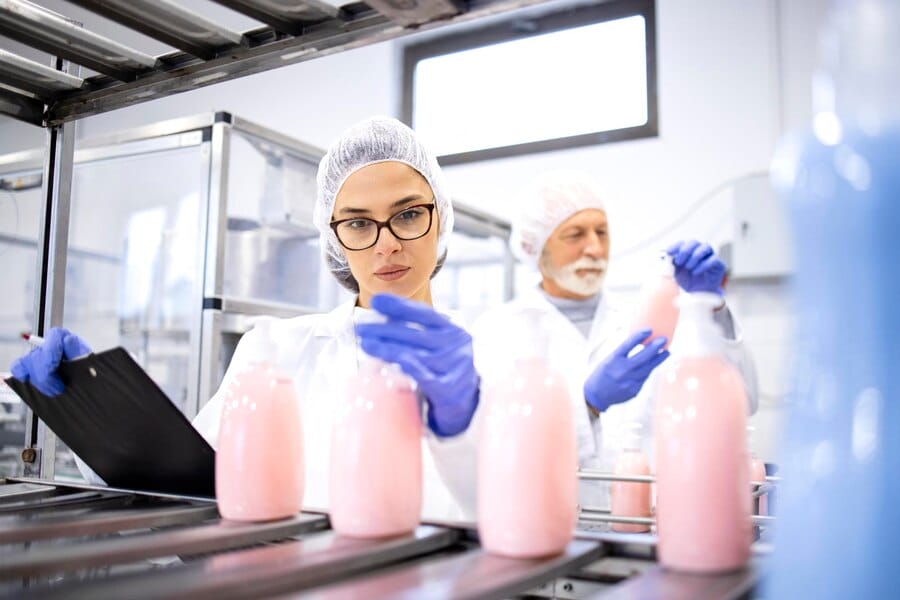
- Scaling Up Production – Large-scale production of RNA-loaded milk needs to be cost-effective and meet pharmaceutical safety standards.
- Clinical Trials in Humans – While initial results in animal studies are promising, human trials are needed to confirm safety and efficacy.
The Future of Drug Delivery
The idea of using milk to deliver RNA therapies represents a major step forward in medicine. If successful, it could lead to a revolution in drug delivery, making life-saving treatments easier to administer, more effective, and more widely available.
Why This Matters?
- No More Injections – Patients could take RNA-based drugs as easily as drinking a glass of milk.
- Lower Costs – Oral medications generally require fewer healthcare resources, making treatments more affordable.
- Wider Access – Many people, especially in low-income regions, struggle to access injectable drugs. Milk-based RNA therapies could reach more patients worldwide.
Conclusion
The discovery that milk can be used to deliver RNA therapies is a significant breakthrough that could transform modern medicine. This natural, safe, and efficient delivery system has the potential to make RNA treatments more accessible and convenient, opening new doors for treating countless diseases. As research progresses, the dream of taking RNA-based medications orally instead of injections may soon become a reality, improving patient care and revolutionizing the way we approach medicine.
Reminder to our Dear Students,
Please ensure you are logged in as a student on the AIU platform and logged into the AIU Online
Library before accessing course links. This step is crucial for uninterrupted access to your learning
resources.