




Distance Learning at AIU is enhanced by vast academic resources and innovative technologies build into the Virtual Campus: Hundreds of self-paced courses with video lectures and step by step lessons, thousands of optional assignments, 140,000 e-books, the Social Media & Networking platform allowing collaboration/chat/communications between students, and MYAIU develop students holistically in 11 areas beyond just academics.
The world is YOUR campus!”, that is the message of AIU’s month magazine Campus Mundi. Hear the voices and see the faces that make up AIU. Campus Mundi brings the world of AIU to you every months with inspirational stories, news and achievements by AIU members from around the world (students and staff are located in over 200 countries).
School of Social and Human Studies
The Postdoctoral in Early Childhood Education at AIU welcomes scholars eager to think differently about the future of learning at its very beginnings. Quality early education happens because of the ongoing development of the adults who do the work. The academic freedom driven program fuses the science of early childhood with frameworks of andragogy to build educator development. Fellows of early childhood education postdoc will examine, through innovative distance-learning designs, ways digital spaces may support teachers, increase access, and improve early learning outcomes. The postdoctoral program in early childhood education program offers the opportunity for researchers to create new knowledge, take risks with existing practices, and ultimately be part of a constructive model for the in-flux world of education globally.
Important: Below is an example of the topics or areas you may develop and work on during your studies. By no means is it a complete or required list, as AIU programs do not follow a standardized curriculum. It is meant solely as a reference point and example. Want to learn more about the curriculum design at AIU? Check here: Course and Curriculum
The curriculum includes a robust suite of core courses that promote scholarly knowledge and bolster professional practice in early childhood education and adult learning. The courses are intentionally focused on critical inquiry, new pedagogies and the application of research to educational practice. Through these postdoctoral research in early childhood education courses, fellows will work with content that augments their knowledge of learning and development across the lifespan, increases their capacity to design and assess effective learning environments, and develops their capacity to enact change in educational contexts through digital or face-to-face delivery.
The orientation experiences for early childhood studies postdoc establish a base for postdoctoral fellows to understand the academic expectations, research culture and interdisciplinary nature of the postdoctoral program. These experiences are designed to orient scholars to current issues in the early childhood education space, recent trends in adult learning, and the program’s commitment to innovation in the digital and face-to-face learning context.
By engaging in facilitated discussions, reflective activities and group collaborations, child development postdoctoral program fellows develop a community of shared knowledge, make sense of what the research trajectory looks like, and build a vibrant professional community of early learning postdoctoral research students that support them in their work as scholars across the postdoc program.
Post-doctoral fellows work on innovative research projects aimed at increasing understanding of early childhood education, adult learning, and/or digital pedagogy. These research projects explore new ways to support student learning, investigate technology in early education, and probes professional development of educators. Fellows of early childhood pedagogy postdoc are encouraged to create independent research projects, partner with interdisciplinary teams, and help support evidence-based solutions in response to critical timely issues in early childhood, and adult learning contexts. The postdoc in child psychology and education program extends research that has implications for practice, spins curriculum innovation, and promotes the construction of inclusive quality learning experiences.
Publication – Postdoctoral fellows are encouraged to give back to the academic community by producing high-quality publications that represent their research in terms of early childhood education, adult learning, and digital pedagogy. The postdoctoral program offers support and guidance in publishing in peer-reviewed journals, edited books, and with professional dispositions for conferences. The child development & early education fellows’ work often draws attention to good teaching practices, evidenced-based practice, and radically better online and distance learning, therefore contributing to the discourses in both early childhood education and adult education. By engaging in preschool education scholarship and publication, fellows contribute to building their own professional profile while disseminating research-informed knowledge for practitioners, policymakers, and future research agendas.
As a final element of the postdoctoral program, fellows present and defend their research conclusions to a faculty and experts in early childhood education, adult learning, and digital pedagogy. The defense provides valuable experience in establishing scholarly rigor, supporting significance, and discussing work in a scholarly way with others.
The defense process not only validates a fellow’s work in the field, but also prepares them for a future role of leader in research and policy and practice. A successful defense represents completion of the postdoctoral programs, and readiness to develop knowledge and new directions in early childhood and adult education.
At AIU, postdoctoral fellows in Early Childhood Education have a stimulating and engaged research experience that merges education with cutting-edge pedagogical practices through the use of AI-based educational tools for young learners. Fellows will work together on innovative projects that examine the use of artificial intelligence to improve teaching, learning, and assessment in early childhood education. Through seminars, workshops, and hands-on research, students will engage in the design of intelligent learning environments, educational data analysis, and evidence-informed design strategies for both teachers and learners. This experience develops a disposition towards critical thinking, interdisciplinary cooperation, and leadership in change initiatives within the dynamic space of digital and AI-enhanced education.
Postdoctoral fellows work with their local and global communities to connect research and practice in early childhood education. The program values involvement and collaboration with educators, families, and policymakers to engage, understand, and respond to the realities of practice and build equitable learning opportunities. To this end, fellows are involved in outreach projects, workshops, and collaborative projects to recognize, understand, and develop social responsibility, cultural awareness, and inclusive education. The child psychology program connects scholarship in early childhood education with the impact on community – developing leaders who not only enrich doctoral scholarship but also positively change the lives of children, families, and educators.
Begin Your Journey!
AIU’s Summer of Innovation and Growth gives you the ability to earn up to $5000 in tuition credit by completing free lessons and courses.
Whether you’re looking to acquire new skills, advance your career, or simply explore new interests, AIU is your gateway to a world of opportunities. With free access to 3400 lessons and hundreds of courses the ability to earn credits and earn certificates there’s no better time to start learning.
Join us today as a Guest Student and take the first step towards a brighter, more empowered future.
Explore. Learn. Achieve.
Postdoctoral scholars at AIU can take advantage of many academic resources that actively support research and professional development. These resources include academic libraries, digital resources, AI-supported learning resources, research spaces and labs, and engagement spaces conducive to collaborative inquiry. Scholars will also be mentored by senior faculty and provided with access to academic networks and opportunities to attend seminars, early years pedagogy workshops, and conferences. All of these early intervention resources support scholars’ capacities to create contemporary research, examine emerging practices in early childhood and adult education, and contribute new understandings and innovative practices to the field.
Complete assignments online or offline at your convenience with 24/7 access to distance learning through AIU’s Virtual Campus. Step by Step guides including videos, tutorials, live webinars and examples for each course. All materials can be access on all web browsers as well as via AIU's Mobile App which brings all the features of the Virtual Camus to your Mobile Device.
MyAIU’s primary goal is to go beyond Academics, it looks to guide students through 11 elements that are key to living life optimally in all aspects. By identifying and reflecting on these key areas, an opportunity arises to holistically address them, through positive change, habits, reinforcement and tools to keep students on their chosen path.
The students have the opportunity to produce, edit and host their own show reaching a worldwide audience, the AIU community and giving notice of their expertise/passion in the subject. AIUTV & AIU Radio allow students to explore new ways to communicate, develop a platform and form potential collaboration with likeminded individuals.
AIU Campus Mundi is a monthly magazine that gathers the most notable news and information about the university and its members in one convenient place. The magazine allows our community to be well informed, involved and keep in tough regardless of their geographic location. AIU Campus Mundi publishes, news, research, events, awards, academic achievements.
Each year AIU organizes graduation ceremonies where the students can assist and share their experiences with fellow students and academic members Participation in the ceremony is optional, the day’s events include conferences, research presentations, group meetings, networking, lunch and formal dinner.
Postdoctoral fellows can participate in international symposiums to connect with researchers, educators, and policymakers from around the world; these forums provide opportunities to share research, exchange cutting-edge ideas, and collaborate across disciplines. In addition to contributing to fellows’ and other participants’ global understandings of early childhood education, adult learning, and AI-enabled pedagogies, participating in symposiums strengthens professional relationships with members of the academic community.
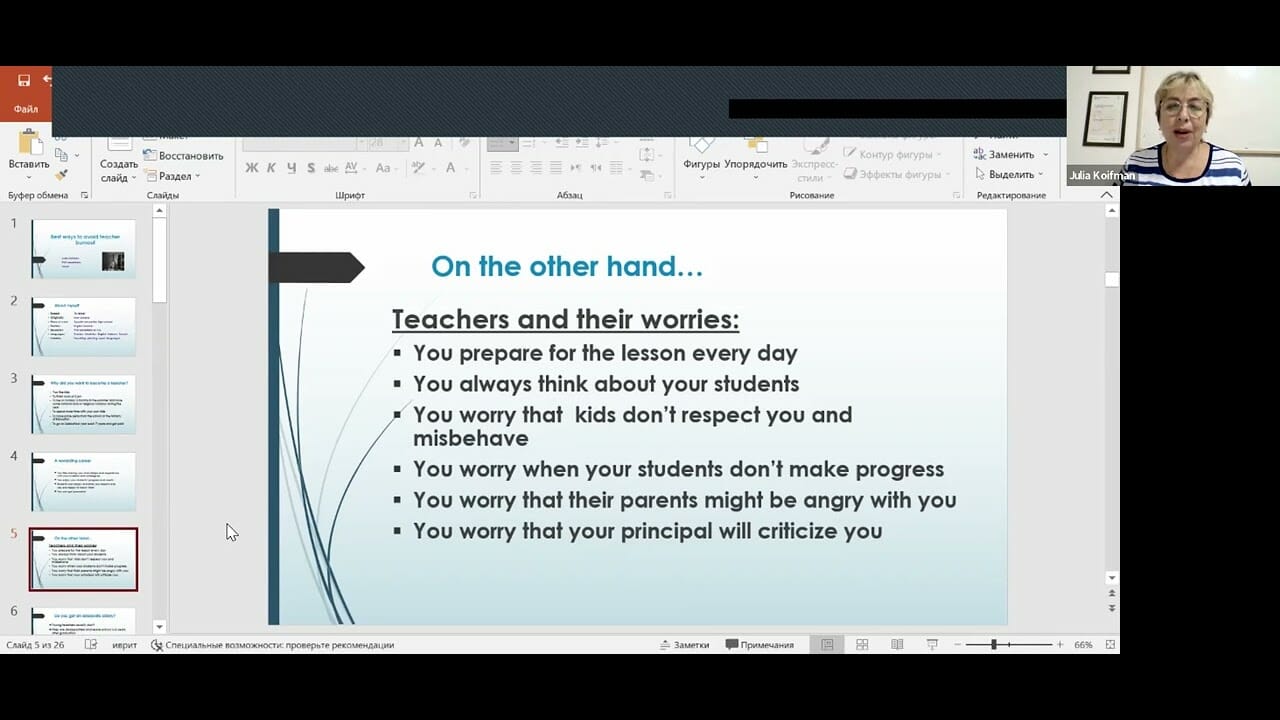
Each program has two interactive synchronous classes per day, allowing fellows to engage more consistently, collaborate with peers in real time, and experience dynamic learning. In these classes, fellows are provided with lectures, discussion and hands-on activities to advance their theoretical knowledge and apply that knowledge to authentic practice in early childhood education and adult learning.
The atmosphere in these live classes fosters direct interaction with both the faculty and other fellows, encourages critical thinking, and helps fellows grow as professionals by developing skills which inform their process of research, teaching, and leadership in online and in-person educational environments.
AIU Live Classes Examples of Early Childhood Education :
Postdoctoral fellows of AIU’s virtual campus are involved in special projects that examine new practices in early childhood education, adult learning, and AI-supported pedagogy. The program invites scholars to assist in producing valuable research that will, to their extent, be published on high-level research in conjunction with faculty and fellow students, as researchers/writers/journalists, etc. The idea is to build their own research profiles, which is exciting and important for submitting their research in peer-reviewed journals, conferences, and professional organizations to advance evidence-based practice. Special projects on curriculum development & childhood studies may lead to fellows looking at the process of research; for instance, rigorously examining the research process of writing and framing research, interdisciplinary efforts, scholar-practitioner partnerships, etc., in order to contribute to the global education community for as opportunity will allow.
The AIU Career Center provides extensive support for postdoc fellows to continue their professional journey in early childhood education and allied fields. The team at the center collaborates with fellows to offer career counseling, mentor development, and connections to educational administrators, educational researchers, and educators from all over the world. In addition, the Career Center offers workshops, job placement assistance, and professional development in leadership, research, and even entrepreneurship. Ultimately, the Career Center connects scholarship with career opportunities that continue fellows on the path to becoming impactful scholars, educators, and innovative leaders in fields outside of the academy, with global reach.
Graduates of the postdoctoral program in Early Childhood Education are prepared for multiple career opportunities in academia, research, developing educational policy, and educational administration. Potential career roles could be as early childhood education researchers, curriculum developers, educational consultants, evaluators of educational programs, instructional coordinators, designers of distance learning programs, policy advisors, and faculty in colleges and universities. Graduates are also prepared to engage in innovative work in digital and AI-enhanced developmental milestones learning contexts and contribute to evidence-based practices and educational reform around the globe.
At AIU, the institution provides its postdoctoral fellows with access to extensive and up-to-date tools for research, teaching, and professional advancement, including AI-assisted learning platforms, data analysis, and visualization applications, digital collaboration and communication tools, online assessment and evaluation systems, and educational technology to develop exciting learning environments. Access to these tools allows fellows to conduct rigorous research, to engage in innovative pedagogical practices, and build evidence-based practices that impact both early childhood education and adult learning in both traditional and distance-learning environments.
Postdoctoral fellows are invited to connect with several top professional associations around early childhood education, adult learning, and educational technology. These memberships provide access to research networks, professional development opportunities, conferences, publications, collaborative projects, etc. The fellows will be exposed to global best practices, new trends, and interdisciplinary approaches, thereby developing academic literacy and professional leadership in these areas.
Applying for the AIU Postdoctoral Program in Early Childhood Education, will require the candidate’s Ph.D. degree in the education, child development or related field. The candidate must display a solid record of research and academic potential. Preference will be given to candidates who have teaching and/or training experience, strong analytical skills, and some familiarity or exposure to digital learning or adult learning. The candidate must submit a research proposal, an academic CV, and previous publications (if possible). An acceptable level of English proficiency, written and spoken, is required. Academic or professional references must demonstrate the ability to stimulate the application and produce significant contributions to the education profession and learning.
Individuals interested in becoming fellows to participate in the Postdoctoral Program in Early Childhood Education at AIU will use the online application portal of the university to obtain the application. The application process will require the prospective fellows to fill out the application, upload their curriculum vitae, send along their official transcripts, submit a research proposal, and include prior publication examples, if available.
They (the prospective fellows) will also be required to submit two to three letters of recommendation (academic or professional) from a refereeing source. The decision-making committee will review all fellow applications based on research potential, the applicant’s academic background, and alignment with operas, Early Childhood Education and Distance Learning. Once accepted into the Fellowship Program, prospective fellows can expect further support in regards to enrollment, orientation and overall disbandment into the research and scholars of the fellowship, and AIU.
The Postdoctoral Program in Early Childhood Education at AIU provides a number of financial assistance and scholarship opportunities for exceptional fellows. Among those opportunities, we provide funding for research initiatives, workshops, conferences, and special initiatives. Scholarships are awarded according to achievement, quality of research proposal, and potential impact in the field of andragogy and distance education. The university also assists applying for external funding opportunities from international grant agencies to further support fellows’ research and continue professional development.
The annual fee for the Postdoctoral Program in Early Childhood Education is generously set to be affordable for scholars. AIU is committed to making the Program accessible by providing several payment plans in installments to allow fellows to pay tuition in installments during the academic year. The payment approach minimizes financial burdens and makes the program accessible to international and local researchers.
A postdoctoral degree in Early Childhood Education emphasizes applied research and professional learning in early learning/early childhood education, child development, educator development, innovation and teaching, and methods of adult learning (andragogy) and distance or digital learning strategies.
To apply, you usually need a Ph.D. in Education, Child Development, or a closely related discipline, a rigorous research history, and competency in English. Past experience in teaching or training is often required, as is a proposal for subsequent research.
Research agendas typically focus on early childhood development, curriculum innovation, teacher development, digital or distance education, adult learning (andragogy), education policy, or possibly the use of technology or AI to enhance teaching and learning, etc.
The role of post-doc in Early Childhood Education adds value to a scholarly career through a stronger research focus, broader publication potential, a more established professional network, and preparation for academic leadership in teaching, research or teaching innovation.
"*" indicates required fields